 1 citations
,
August 2021 in “Journal of The American Academy of Dermatology”
1 citations
,
August 2021 in “Journal of The American Academy of Dermatology” Baricitinib helped improve hair, eyebrow, and eyelash growth in alopecia areata patients.
September 2025 in “Journal of the American Academy of Dermatology” Deuruxolitinib significantly improves hair satisfaction in severe alopecia areata patients.

BMD-1141 effectively regrows hair in alopecia areata with less frequent dosing than current treatments.
May 2025 in “Immunotherapy” Patients were very satisfied with hair regrowth after taking ritlecitinib for alopecia areata.
November 2023 in “SKIN The Journal of Cutaneous Medicine” Ritlecitinib effectively maintains hair regrowth in alopecia areata patients.
 September 2023 in “British Journal of Dermatology”
 Hair regrowth from severe alopecia areata treatment with baricitinib can vary, with faster results in those with shorter hair loss duration.
March 2023 in “SKIN The Journal of Cutaneous Medicine” Ritlecitinib helped most alopecia areata patients regrow hair by Week 48.
 September 2022 in “Journal of The American Academy of Dermatology”
 Baricitinib was effective in regrowing eyebrow and eyelash hair in patients with severe alopecia areata.
EGF affects hair and skin development.
 July 2026 in “Journal of King Saud University - Computer and Information Sciences”
 The new method improves alopecia areata lesion detection, aiding diagnosis and treatment.
July 2026 in “Journal of the American Academy of Dermatology” July 2026 in “Journal of the American Academy of Dermatology” June 2026 in “British Journal of Dermatology” JAK inhibitors can cause severe acne, limiting their use for hair regrowth.
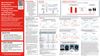 November 2025 in “SKIN The Journal of Cutaneous Medicine”
 Baricitinib effectively regrows scalp hair in most people with severe alopecia areata.
November 2025 in “SKIN The Journal of Cutaneous Medicine” Ritlecitinib 50 mg effectively promotes and sustains hair regrowth in alopecia areata patients.
 May 2025 in “JEADV Clinical Practice”
 Hair specialists vary in testing for alopecia areata, highlighting the need for standard guidelines.
 March 2025 in “SKIN The Journal of Cutaneous Medicine”
 Certain patient characteristics can help predict hair regrowth success with ritlecitinib in alopecia areata.
 November 2024 in “JAMA Dermatology”
 Low-dose oral minoxidil may help with hair loss, but more research is needed.
 September 2023 in “Journal of The American Academy of Dermatology”
 Baricitinib treatment can help regrow scalp hair and eyebrows or eyelashes in people with severe alopecia areata.
 December 2013 in “Research Portal (King's College London)”
 Hair loss in Lichen Planopilaris is caused by immune system issues damaging hair follicles and stem cells.
72 citations
,
September 1997 in “Journal of Investigative Dermatology”  37 citations
,
November 2003 in “Veterinary pathology”
37 citations
,
November 2003 in “Veterinary pathology” Hair loss in mice starts with immune cells damaging hair roots before it becomes visible.
37 citations
,
June 2000 in “Experimental dermatology” The Lanceolate hair-J mutation in mice mimics human hair disorders like Netherton's syndrome.
9 citations
,
January 2014 in “Molecular Genetics and Metabolism Reports” The rhg mutation in mice affects the Oat gene, causing hair growth issues and other symptoms.
7 citations
,
March 2020 in “Journal of King Saud University. Science/Maǧallaẗ ǧāmiʹaẗ al-malik Saʹūd. al-ʹUlūm” AiQingHua oil improves blood flow and promotes hair growth in mice.
June 2024 in “British Journal of Dermatology” Dermatologists vary widely in testing practices for alopecia areata, often exceeding guideline recommendations.
 July 2023 in “Annals of King Edward Medical University”
 Mometasone furoate cream was more effective than bimatoprost solution for treating hair loss from Alopecia Areata.
January 2010 in “Annals of King Edward Medical University” The combination of minoxidil and betamethasone is more effective for hair regrowth than minoxidil alone.
141 citations
,
May 2007 in “Cancer Research” CD34 is crucial for skin tumor development in mice.
 131 citations
,
November 1998 in “The journal of investigative dermatology/Journal of investigative dermatology”
131 citations
,
November 1998 in “The journal of investigative dermatology/Journal of investigative dermatology” Skin grafts on mice can cause an immune response leading to hair loss, useful for studying human hair loss conditions.