 1 citations
,
October 2021 in “Journal of Medical Case Reports”
1 citations
,
October 2021 in “Journal of Medical Case Reports” Using minoxidil for hair loss might cause sudden vision loss, so use it with caution and monitor closely.
 June 2026 in “Current Issues in Molecular Biology”
 Minoxidil is more effective than the botanical extract for hair loss, but the extract shows potential as an alternative.
1 citations
,
October 2022 in “JAAD case reports” Low-dose oral minoxidil can cause serious heart complications.
1 citations
,
April 2024 in “Anais Brasileiros de Dermatologia”  February 2018 in “Medicine - Programa De Formación Médica Continuada Acreditado”
 Minoxidil and finasteride are the main FDA-approved treatments for hair loss, with other methods showing promise but lacking strong evidence.
 17 citations
,
May 1975 in “Clinical Pharmacology & Therapeutics”
17 citations
,
May 1975 in “Clinical Pharmacology & Therapeutics” 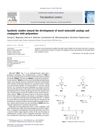 12 citations
,
February 2010 in “Tetrahedron Letters”
12 citations
,
February 2010 in “Tetrahedron Letters” New minoxidil compounds with better water solubility were made, but their full effects and safety need more research.
 December 2025 in “Archives of Dermatological Research”
 Topical minoxidil can cause unwanted hair growth and eye issues, especially in infants, so better education and guidelines are needed.
 1 citations
,
May 1983 in “Acta dermato-venereologica”
1 citations
,
May 1983 in “Acta dermato-venereologica” Minoxidil caused hair regrowth, but cyproterone acetate did not maintain it.
 30 citations
,
January 2000 in “Dermatologic Clinics”
30 citations
,
January 2000 in “Dermatologic Clinics” Finasteride and minoxidil are effective FDA-approved treatments for androgenetic alopecia.
9 citations
,
March 1991 in “American Journal of Contact Dermatitis” Minoxidil can cause allergic skin reactions, especially in long-term users.
 April 2023 in “Actas Dermo-Sifiliográficas”
 Low doses of oral minoxidil, a hair loss treatment, can cause temporary morning swelling around the eyes, but it's not serious and can disappear with continued use or dose adjustment.
5% minoxidil is safe and effective for treating male hair loss.
 September 2024 in “Archives of Dermatological Research”
 Both treatment combinations improved hair growth similarly and were safe.
January 2022 in “Indian journal of drugs in dermatology” Oral minoxidil helps with hair growth but needs more research to fully understand its effectiveness and safety.
 13 citations
,
October 1993 in “International Journal of Dermatology”
13 citations
,
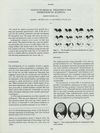
October 1993 in “International Journal of Dermatology” Minoxidil effectively promotes hair regrowth in younger patients with small balding areas.
 January 2025 in “Dermatology Practical & Conceptual”
 Topical finasteride is as effective and safe as minoxidil for treating female pattern hair loss.
 19 citations
,
September 2014 in “British Journal of Dermatology”
19 citations
,
September 2014 in “British Journal of Dermatology” Minoxidil foam 5% effectively treats hair loss in both frontal and vertex scalp regions.
April 2024 in “Journal of Pakistan Association of Dermatologists” Adding procapil to minoxidil is more effective for hair loss than using minoxidil alone.
 November 2023 in “Current Dermatology Reports”
 Oral minoxidil is effective for various hair loss types and may improve male sexual function, but aspirin can reduce its effectiveness.
January 2023 in “Dermatologic Therapy” The new 5% minoxidil foam is as effective and safe as Rogaine® for treating hair loss in Chinese men.

Thiolated cyclodextrin-based nanoparticles effectively deliver Minoxidil for scalp treatment without causing skin irritation.
 49 citations
,
October 1994 in “Annals of Oncology”
49 citations
,
October 1994 in “Annals of Oncology” Minoxidil not effective in preventing chemotherapy-induced hair loss.
 June 2017 in “Journal of The American Academy of Dermatology”
 Microneedling with PRP and minoxidil (5%) improves hair growth more than minoxidil (5%) alone.
 May 2024 in “Clinical, cosmetic and investigational dermatology”
 5% topical minoxidil effectively treated a boy's congenital triangular alopecia without side effects.
 5 citations
,
January 2018 in “Skin appendage disorders”
5 citations
,
January 2018 in “Skin appendage disorders” Minoxidil base is preferred for hair loss treatment, but minoxidil sulfate may be an alternative for unresponsive patients.
January 2017 in “Faculty of 1000 Research Ltd” Oral minoxidil reduced hair shedding in women with chronic telogen effluvium.
5 citations
,
January 1988 in “Analytical profiles of drug substances” Minoxidil helps lower blood pressure and can also promote hair growth.
 4 citations
,
May 2021 in “Lasers in Surgery and Medicine”
4 citations
,
May 2021 in “Lasers in Surgery and Medicine” Light therapy reduces scalp inflammation, boosts hair regrowth with Minoxidil 2%.
48 citations
,
April 2023 in “Aging Cell” Targeting cellular senescence may improve skin aging and disorders.