 149 citations
,
June 2002 in “Veterinary record/The veterinary record”
149 citations
,
June 2002 in “Veterinary record/The veterinary record” Trilostane effectively improved symptoms in dogs with a certain adrenal gland disorder.
80 citations
,
November 2017 in “New Phytologist” Roots adapt to uneven environments by changing growth and gene expression.
November 2024 in “Journal of Investigative Dermatology” 4 citations
,
November 2024 in “Journal of Advanced Research” Targeting NMMHC IIA may help treat blood-brain barrier damage.
2 citations
,
May 2008 in “Journal of Clinical Oncology” AZD6244 treatment causes skin aging effects by depleting skin stem cells.
 1 citations
,
October 2014 in “Annals of oncology”
1 citations
,
October 2014 in “Annals of oncology” Paclitaxel and nab-paclitaxel can be safe and effective for advanced gastric cancer patients on hemodialysis.
December 2025 in “Actas Dermo-Sifiliográficas” Ritlecitinib is effective and safe for treating severe alopecia areata in people aged 12 and older.

Newly designed proteins can effectively degrade specific proteins in cells, offering a promising alternative for targeted protein degradation.
 December 2024 in “Clinical and Experimental Dermatology”
 Switching to ritlecitinib improves hair regrowth and well-being in severe alopecia areata patients.
June 2019 in “Acta Dermato Venereologica” 40 citations
,
October 2004 in “Veterinary Dermatology” Trilostane treatment led to full hair regrowth in most Pomeranians and all miniature poodles with alopecia X.
27 citations
,
December 1997 in “Archives of Dermatological Research” Rat dermal papilla cells have unique properties and interact differently with their environment compared to other skin cells.
12 citations
,
May 2010 in “Journal of Clinical Oncology” MK-5108 is safe and shows potential against tumors, especially alone.
November 2025 in “Journal of Investigative Dermatology” 7 citations
,
January 1971 in “Archives of Dermatological Research” 1 citations
,
August 2020 Croton membranaceus root extract can change how drugs are processed in the body.
 May 2023 in “The journal of investigative dermatology/Journal of investigative dermatology”
 EAAT4 decreases with age, harming skin function and calcium balance.
 1 citations
,
January 2009 in “X-ray Structure Analysis Online”
1 citations
,
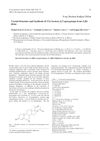
January 2009 in “X-ray Structure Analysis Online” A new compound was made that might help treat diseases related to male hormones.
114 citations
,
July 2003 in “PubMed” Lack of KSR1 stops certain skin tumors in mice.
 January 2026 in “Dermatology Reports”
 Upadacitinib improved symptoms and hair regrowth in a teen with multiple autoimmune conditions.
87 citations
,
April 1973 in “Endocrinology” The chemicals 17βC and its methyl ester can block the effects of testosterone on hamster skin but not the effects of DHT.
4 citations
,
July 1987 in “Laboratory Animals” Female rats aged 8 weeks are best for this model.

Cyproterone acetate is used for topical treatment of diseases dependent on male hormones.
July 2022 in “British Journal of Dermatology”  July 2018 in “Hair transplant forum international”
 The document's content couldn't be processed.
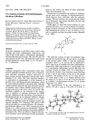 December 1998 in “Acta Crystallographica Section C-crystal Structure Communications”
 A new compound with strong antiandrogenic effects was found, potentially useful for treating conditions like acne and prostate cancer.
 5 citations
,
September 2022 in “Molecular pharmacology”
5 citations
,
September 2022 in “Molecular pharmacology” KATP channels are important for energy balance and are targeted by drugs for diabetes, hypoglycemia, hypertension, and hair loss.
24 citations
,
January 2007 in “The FASEB Journal” Neurosteroid withdrawal increases seizure frequency in a rat model of catamenial epilepsy.
2 citations
,
May 2019 in “Small ruminant research” Mutations in specific llama genes may affect fiber quality for textiles.
13 citations
,
January 2018 in “Advances in experimental medicine and biology”