January 2005 in “Australian viticulture” Different tissues in cows have different types of cytokeratins.
2 citations
,
January 2014 in “Photochemical & photobiological sciences” Grasp protein helps maintain skin health after UVB exposure.
January 2016 in “Jurnal Farmasi Indonesia” The 10% hibiscus leaf extract hair tonic promotes better hair growth than 2% minoxidil but causes eye irritation.
 April 2026 in “Clinical Cosmetic and Investigational Dermatology”
 Renal transplant recipients often have skin issues, especially infections, and need regular skin check-ups.
 July 2022 in “New Zealand journal of agricultural research”
 The KRTAP27-1 gene variations in sheep may affect wool length and weight.
July 2024 in “Journal of Investigative Dermatology” A KLK5 inhibitor effectively improved skin symptoms in a mouse model of Netherton Syndrome.
42 citations
,
July 2015 in “PLoS ONE” The study revealed the detailed structure of a keratin dimer, aiding understanding of how intermediate filament proteins function.
 February 2026 in “Indian Journal of Dermatology”
 Upadacitinib may effectively treat twenty-nail dystrophy without causing pain.
 September 2016 in “Journal of Dermatological Science”
 Wnt-10b is important for keeping mouse skin cells healthy for hair growth.
Isotretinoin effectively improved severe pityriasis rubra pilaris with complications.
 10 citations
,
October 2015 in “Journal of the International Association of Providers of AIDS Care”
10 citations
,
October 2015 in “Journal of the International Association of Providers of AIDS Care” A woman with HIV had a severe skin condition that improved with antiretroviral therapy.
3 citations
,
April 2011 in “Journal of the American Academy of Dermatology” A 19-year-old man had a rare skin condition on one side of his face that looked like another skin disease.
 May 2020 in “Jurnal Penelitian Perawat Profesional”
 Katuk leaves may help prevent hair loss.
 June 2026 in “Jurnal Pendidikan Tambusai”
 Many helmets from online motorcycle taxis in Yogyakarta have harmful fungi.
 April 2026 in “Inflammation and Regeneration”
 AKR1C enzymes in scalp glands decrease with age, possibly affecting hair loss.
March 2026 in “SKIN The Journal of Cutaneous Medicine” Ritlecitinib is being tested for safety and effectiveness in young children with severe alopecia areata.
15 citations
,
April 2011 in “Biological Chemistry” Cathepsin E is crucial for normal skin cell differentiation and development.
 May 2017 in “Journal of The American Academy of Dermatology”
 PLAU and SerpinB2 affect cell death differently in various forms of leprosy and could be targets for new treatments.
 3 citations
,
September 2020 in “Case reports in dermatological medicine”
3 citations
,
September 2020 in “Case reports in dermatological medicine” Misdiagnosing kerion as a bacterial infection can lead to unnecessary surgery and permanent hair loss.
4 citations
,
August 2013 in “Chinese Medical Journal” A specific gene mutation in KRT86 is linked to hair disorder in a Chinese Han family.
CRH causes hair loss by reducing autophagy and increasing cell death in hair cells.
8 citations
,
January 2011 in “International journal of trichology” Accurate diagnosis of APL is crucial to avoid unnecessary treatments.
February 2026 in “Clinical Cosmetic and Investigational Dermatology” Actinic prurigo cheilitis can occur in elderly Asians and can be treated with hydrocortisone cream and sun protection.
 10 citations
,
November 1997 in “British Journal of Dermatology”
10 citations
,
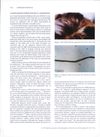
November 1997 in “British Journal of Dermatology” A 10-year-old boy had the earliest reported case of hair that became progressively kinkier but eventually returned to normal on its own.
November 2023 in “SKIN The Journal of Cutaneous Medicine” Ritlecitinib effectively maintains hair regrowth in alopecia areata patients.
12 citations
,
January 2000 in “Biochemical and Biophysical Research Communications” The study mapped keratin 15 and 19 genes, aiding future genetic disorder research.
1 citations
,
August 2019 A 25% ethanol extract hair tonic from Nothopanax scutellarium leaves significantly boosts hair growth in male rabbits.
1 citations
,
December 2016 in “Revista română de medicină de laborator” The NIPAL4 mutation c.527C>A is common in Romanian patients with autosomal recessive congenital ichthyosis.
24 citations
,
December 2013 in “Archives of Dermatological Research”  42 citations
,
October 2009 in “The journal of investigative dermatology/Journal of investigative dermatology”
42 citations
,
October 2009 in “The journal of investigative dermatology/Journal of investigative dermatology” Mutations in the KRT85 gene cause hair and nail problems.