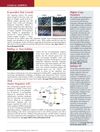
 July 2016 in “Experimental Dermatology”
 New treatments for hair growth and psoriasis may be possible, and gene differences could affect baldness and the severity of skin conditions.
Nail stem cells help nail and finger regeneration through BMP signaling.
 8 citations
,
September 2017 in “Journal of Investigative Dermatology”
8 citations
,
September 2017 in “Journal of Investigative Dermatology” CXXC5 is a protein that prevents hair growth and could be a target for hair loss treatment.
13 citations
,
April 2019 in “iScience” EGFR helps control how hair grows and forms without needing p53 protein.
 43 citations
,
February 2013 in “Developmental dynamics”
43 citations
,
February 2013 in “Developmental dynamics” Foxi3 expression in developing teeth and hair is controlled by the ectodysplasin pathway.
210 citations
,
February 2008 in “Nature genetics” Mutations in the P2RY5 gene cause autosomal recessive woolly hair.
28 citations
,
February 2010 in “Experimental Dermatology” The frizzy mouse and hairless rat mutations are due to changes in the Prss8 gene.
 April 2017 in “Journal of Investigative Dermatology”
 Sweat glands and hair follicles are determined by opposing signals, with BMPs promoting sweat glands and blocking BMPs leading to hair follicles.
February 2026 in “Advanced Science” TTNPB helps turn stem cells into neural stem cells, improving depression-like behaviors in rats.
 April 2017 in “Journal of Investigative Dermatology”
 A virus protein can activate a pathway that may lead to abnormal hair follicle development.
 September 2016 in “Journal of Dermatological Science”
 A gene mutation worsens skin irritation in mice due to a lack of certain fats.
January 2024 in “SSRN Electronic Journal”  April 2016 in “Journal of Investigative Dermatology”
 Mice without the p21 gene can fully regenerate injured ears due to reduced Sdf1 increase and leukocyte recruitment, suggesting new ways to induce tissue regeneration in mammals.
10 citations
,
December 1990 in “Archives of Dermatological Research” 36 citations
,
April 2016 in “Biochimie” A substance called epidermal growth factor helps increase the growth of important hair follicle cells by activating a specific cell communication route.
 225 citations
,
April 2018 in “Journal of Investigative Dermatology”
225 citations
,
April 2018 in “Journal of Investigative Dermatology” Two main types of fibroblasts with unique functions and additional subtypes were identified in human skin.
20 citations
,
August 2003 in “Clinical and Experimental Dermatology” A new genetic mutation in the hairless gene causes a rare hair loss disorder.
 April 2023 in “The journal of investigative dermatology/Journal of investigative dermatology”
 Removing UBE2N from skin cells causes inflammation and immune response, which can be lessened with specific inhibitors.
166 citations
,
September 2011 in “The Journal of Cell Biology” p63 controls Satb1 to help skin develop properly.
 April 2024 in “The journal of investigative dermatology/Journal of investigative dermatology”
 ASH2L is essential for skin and hair development.
 39 citations
,
March 2008 in “Journal of biological chemistry/The Journal of biological chemistry”
39 citations
,
March 2008 in “Journal of biological chemistry/The Journal of biological chemistry” GLI2 increases follistatin production in human skin cells.
35 citations
,
August 2009 in “Differentiation” Desmoglein 4 is controlled by specific proteins that affect hair growth.
April 2026 in “Development” Hemidesmosomes and Notch signaling help skin cells mature by moving them to the outer layer.
1 citations
,
January 2020 in “Indian journal of dermatology, venereology, and leprology” CD117 and platelet-derived growth factor receptor α may play a role in alopecia areata.
 August 2019 in “Journal of Investigative Dermatology”
 Frog skin cells need the protein desmoplakin for proper development and cell layer formation.
8 citations
,
June 2016 in “Journal of Investigative Dermatology” A rare genetic deletion in the KRT1 gene causes unique skin symptoms in a family.
August 2020 in “CRC Press eBooks” Abnormal growth factors can cause hair and skin issues.
 14 citations
,
September 2018 in “The journal of allergy and clinical immunology/Journal of allergy and clinical immunology/The journal of allergy and clinical immunology”
14 citations
,
September 2018 in “The journal of allergy and clinical immunology/Journal of allergy and clinical immunology/The journal of allergy and clinical immunology” A boy's growth and immune problems were caused by a new mutation in the STAT5B gene.
 4 citations
,
January 2013 in “Advances in Experimental Medicine and Biology”
4 citations
,
January 2013 in “Advances in Experimental Medicine and Biology” Certain transcription factors are key in controlling skin stem cell behavior and could impact future treatments for skin repair and hair loss.
March 2026 in “Animal Models and Experimental Medicine” Gorab deficiency speeds up skin aging by disrupting protein regulation and reducing collagen.