January 2026 in “International Journal of Cosmetic Science” Upcycled pineapple biopolymer is effective and eco-friendly for skincare, suncare, and haircare.
 5 citations
,
April 2016 in “Proceedings of the Latvian Academy of Sciences. Section B, Natural, Exact and Applied Sciences”
5 citations
,
April 2016 in “Proceedings of the Latvian Academy of Sciences. Section B, Natural, Exact and Applied Sciences” Researchers created small amber particles for use in bioactive and biocompatible fibers that could help with skin and hair restoration and are safe for infant clothing.
 2 citations
,
January 2015 in “Sen'i Gakkaishi”
2 citations
,
January 2015 in “Sen'i Gakkaishi” Washing permed hair after using thioglycolic acid helps reform strong bonds, making hair stronger.
November 2025 in “Advanced Healthcare Materials” Charge-conversion chemistry improves hair-rebonding by enhancing penetration and strength.
 February 2015 in “Journal of Biomedical Materials Research Part B: Applied Biomaterials”
 4-META resin heals skin wounds faster and better than cyanoacrylate.
 November 2021 in “Research Square (Research Square)”
 A 532 nm laser at 15 J/cm2 speeds up tendon healing by increasing tendon stem cell growth and tendon-related gene activity.
 March 2025 in “Frontiers in Pharmacology”
 The hydrogel dressing rapidly heals wounds and promotes blood clotting better than existing options.
 November 2023 in “ACS Applied Polymer Materials”
 The new method extracts keratin from hair faster and better, and the resulting product improves blood clotting and wound healing, with potential for personalized treatments.
January 1995 in “Journal of the Society of Cosmetic Chemists” Transglutaminase does not modify human hair.
2 citations
,
July 1999 in “JEADV. Journal of the European Academy of Dermatology and Venereology/Journal of the European Academy of Dermatology and Venereology” Proteolytic enzymes damaged hair follicle stem cells in transgenic mice.
 October 2023 in “Materials chemistry and physics (Print)”
 Adding keratin to a mix of cow hair and plant-based plastic makes it stronger.
 68 citations
,
March 2002 in “Journal of pharmaceutical sciences”
68 citations
,
March 2002 in “Journal of pharmaceutical sciences” Nonionic liposomes are the best for delivering genes to skin cells.
 January 2022 in “Social Science Research Network”
 A special coating was made for artificial hair fibers that can slowly release silver ions for up to 56 days, providing long-term protection against bacteria and inflammation.
November 2025 in “ACS Omega” The films can help heal wounds by promoting blood vessel growth.
 February 2026 in “International Journal of Molecular Sciences”
 PDLLA filler can improve hair thickness and shine by reducing age-related hair decline.
 61 citations
,
June 2010 in “European Journal of Pharmaceutics and Biopharmaceutics”
61 citations
,
June 2010 in “European Journal of Pharmaceutics and Biopharmaceutics” Cationic polymers improved liposome stability and increased skin absorption of aciclovir and minoxidil.
 December 2023 in “Sains Malaysiana”
 The enzyme Rand protease works well for leather dehairing and its stability is important, with Leu75 playing a key role.
69 citations
,
January 2009 in “Advances in Materials Science and Engineering” Wool keratin is reactive, biocompatible, biodegradable, and can model keratin from other sources.
101 citations
,
September 2006 in “Journal of Biological Chemistry” Human mitochondrial DNA polymerase makes very few errors, crucial for preventing degenerative diseases.

A natural, eco-friendly treatment using casein and tannic acid strengthens hair by 21% while keeping it elastic.
9 citations
,
December 2023 in “Materials Today Bio” Multibranch carboxyl-modified cellulose is a safe and effective material for stopping bleeding.
 January 2024 in “Brazilian Journal of Hair Health”
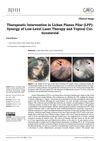
 Combining low-level laser therapy with topical corticosteroids effectively improved Lichen Planopilaris symptoms.
4 citations
,
January 2020 in “Elsevier eBooks” Natural polymers can protect, repair, and promote hair regrowth.
 15 citations
,
July 2002 in “Australasian Journal of Dermatology”
15 citations
,
July 2002 in “Australasian Journal of Dermatology” Two plywood factory workers developed contact dermatitis from phenol-formaldehyde resin, a known allergen.
 April 2026 in “Lithuanian University of Health Sciences”
 Cinnamic acid in hydrogels can effectively fight fungi but spreads less than in solution.
25 citations
,
May 2017 in “InTech eBooks” Catalytic antibodies are early indicators and active participants in the development of systemic lupus erythematosus.
 April 2025 in “International Journal of Cosmetic Science”
 A new hair perming method avoids damage and lasts longer than traditional methods.
1 citations
,
December 2022 in “Skin Research and Technology” The technique helps measure how hair styling ingredients affect hair's stiffness and flexibility.
1 citations
,
January 2018 in “International Journal of Pharmaceutical Sciences and Drug Research” The minoxidil gel is stable and effective for treating alopecia areata.
July 2026 in “npj Regenerative Medicine” Nanoclay gels improve skin wound healing quality in diabetic mice.