15 citations
,
July 2015 in “Journal of exotic pet medicine” Humans, especially vulnerable groups, can catch skin infections from small mammals.
 March 2021 in “Mansoura Veterinary Medical Journal /Mansoura Veterinary Medical Journal”
 Ringworm is a common, contagious fungal infection in dogs that can spread to humans and requires lengthy treatment.
 April 1940 in “Archives of dermatology”
 Diagnosing and treating skin conditions is challenging, especially when drug reactions mimic other diseases.
 55 citations
,
November 2018 in “American journal of human genetics”
55 citations
,
November 2018 in “American journal of human genetics” Mutations in the LSS gene cause a rare type of hereditary hair loss.
 December 2023 in “Scientific reports”
 Fermented soy protein may help prevent bone loss by affecting bone cell activity.
 36 citations
,
September 2013 in “PLoS ONE”
36 citations
,
September 2013 in “PLoS ONE” Sweat gland stem cells help maintain glands, aid wound healing, and can regenerate skin structures.
April 2016 in “The journal of investigative dermatology/Journal of investigative dermatology” Laminin-511 is involved in psoriasis development and can be regulated by cannabinoid receptor type 1.

Thermal spring waters and their microbes could be good for skin health and treating some skin conditions in skincare products.
 April 2019 in “Journal of Medical Science And clinical Research”
 The grey patch variant of tinea capitis is most common, mainly spread through family and animals.
June 2020 in “Research Square (Research Square)” The study found key long non-coding RNAs involved in yak hair growth cycles.
 December 2023 in “bioRxiv (Cold Spring Harbor Laboratory)”
 The research suggests Dutasteride and Solifenacin may be effective against the bacterium causing listeriosis.
Two new mite species were found in a monkey's hair follicles, leading to a new genus and family proposal.
 8 citations
,
January 2007 in “International journal of experimental pathology”
8 citations
,
January 2007 in “International journal of experimental pathology” Hairless HRS/J mice resist Bacillus anthracis skin infections due to high numbers of immune cells, not because they lack hair follicles.
February 2013 in “Journal of the American Academy of Dermatology” 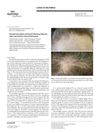 13 citations
,
September 2017 in “Skin appendage disorders”
13 citations
,
September 2017 in “Skin appendage disorders” Some women with Frontal Fibrosing Alopecia also have Lichen Planopilaris, which can lead to more symptoms and affect hair outside the scalp.
 November 2024 in “Journal of Investigative Dermatology”
 Changes in scalp bacteria are linked to female hair loss, suggesting new treatment options.
7 citations
,
December 2024 in “Antibiotics” Cathelicidins could treat skin issues but face challenges like safety and resistance.
1 citations
,
April 2024 in “Journal of Cutaneous Pathology” Recurrent NICF is a rare skin condition with unclear causes, involving follicle inflammation and crystal deposits.
 7 citations
,
January 1989 in “Leprosy Review”
7 citations
,
January 1989 in “Leprosy Review” A woman with leprosy improved after stopping dapsone and getting treatment for a severe skin reaction and nail changes.
21 citations
,
September 2011 in “PubMed” Scalp hair folliculitis is hard to diagnose and treat due to various causes and complex classification.
 March 2025 in “Journal of Bio Innovation”
 Microsporum canis causes ringworm in dogs and cats, treatable with topical and oral antifungals.
1 citations
,
September 2024 in “Veterinary Dermatology” Trichography is important for diagnosing hair fragility in Pomeranian dogs with hair cycle issues.
 5 citations
,
May 2018 in “PloS one”
5 citations
,
May 2018 in “PloS one” Both classical and L-type atypical BSE from cattle can infect goats with different incubation times, and tests can distinguish between the two strains.
 July 2025 in “Buletin Veteriner Udayana”
 The dog's skin condition improved with treatment, but full recovery wasn't achieved, and environmental cleaning is advised to prevent re-infection.
 June 2022 in “Authorea (Authorea)”
 A 59-year-old woman was diagnosed with a rare hair loss condition called lipedematous alopecia.
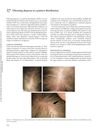 April 2012 in “Informa Healthcare eBooks”
 Fibrosing alopecia in a pattern distribution is a unique hair loss condition with inflammation and scarring, resembling but distinct from common balding.
July 2024 in “LA Referencia (Red Federada de Repositorios Institucionales de Publicaciones Científicas)” Adipose tissue and eccrine gland displacement are common in certain alopecias but don't help differentiate between them.
42 citations
,
September 1985 in “British Journal of Dermatology” Trichothiodystrophy causes abnormal protein deposits and distortion in hair follicles.
 August 2023 in “JAAD Case Reports”
 A woman with lupus experienced hair regrowth after treatment, but hair transplantation is not advised for her condition.
January 2023 in “Faculty of 1000 Research Ltd” TB lymphadenitis can occur in people with weakened immune systems, like those with SLE.