Lactobacillus and fermented Korean berry can help hair grow faster.
 April 2026 in “International Journal of Drug Delivery Technology”
 Lactobacillus acidophilus substances can kill and stop the spread of cervical cancer cells.
January 2013 in “Hunan Agricultural Sciences” Lactobacillus reuteri and Bacillus natto can replace antibiotics to improve piglet health and growth.
 June 2026 in “Korean Journal of Food Science and Technology”
 The fermented soybean-lactobacillus complex can boost hair growth and follicle formation.
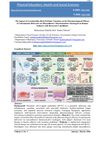 January 2026 in “Physical Education Health and Social Sciences”
 Combining probiotics, clotrimazole gel, and laser therapy improves treatment for recurrent yeast infections.
 January 2024 in “Wiadomości Lekarskie”
 Probiotics with Lactobacillus reuteri improve IBS symptoms in children.
185 citations
,
January 2010 in “Experimental Dermatology” Probiotics may help reduce stress-related skin issues and improve hair growth.
 127 citations
,
January 2013 in “PLOS ONE”
127 citations
,
January 2013 in “PLOS ONE” Probiotic bacteria improved skin and hair health in aged mice.
10 citations
,
April 2017 in “Journal of Investigative Dermatology” The gut microbiome affects the development of alopecia areata.
 7 citations
,
January 2023 in “ACS Applied Materials & Interfaces”
7 citations
,
January 2023 in “ACS Applied Materials & Interfaces” Probiotic-coated silk/alginate scaffolds help heal wounds faster and with less scarring.
 5 citations
,
June 2024 in “Cureus”
5 citations
,
June 2024 in “Cureus” PCOS is linked to changes in vaginal bacteria, with fewer good bacteria and more harmful ones.
3 citations
,
January 2017 in “Chinese Science Bulletin (Chinese Version)” Balancing gut microbes and managing stress can help improve skin conditions like eczema and acne.
2 citations
,
January 2018 in “Elsevier eBooks” Probiotics and dietary changes can help treat acne.
 March 2026 in “Brazilian Journal of Microbiology”
 Restoring skin bacteria may help reduce hair loss.
July 2025 in “Journal of Investigative Dermatology” Reduced AhR signaling in HS tunnels leads to persistent inflammation and microbial imbalance.
 July 2025 in “BMC Microbiology”
 Pancreatic cancer can alter gut and skin bacteria, possibly causing skin issues.
 July 2019 in “bioRxiv (Cold Spring Harbor Laboratory)”
 Kashmiri women with PCOS have more Bifidobacterium in their gut.
 March 2026 in “Journal of Veterinary and Animal Sciences”
 Supplements improved calves' haircoat condition.
Fermented Cornus officinalis can help hair growth.
Fermented Cornus officinalis promotes hair growth effectively.
January 2011 in “한국미생물·생명공학회지” Fermented extracts may help hair growth.
7 citations
,
November 2023 in “Microorganisms” Probiotics may help manage celiac disease by improving gut health and reducing symptoms.
April 2026 in “IntechOpen eBooks” Exo.Reset® uses extracellular vesicle technology for skin rejuvenation.
 January 2023 in “Fundamental toxicological sciences”
 Mozuku seaweed fucoidan can inhibit harmful skin bacteria growth.
 June 2023 in “Research Square (Research Square)”
 Cupric citrate improves growth, nutrient use, and gut health in broilers.
 March 2025 in “Research Square (Research Square)”
 Lactiplantibacillus plantarum lysate from green tea may help treat scalp seborrheic dermatitis.
 24 citations
,
June 2021 in “Agronomy”
24 citations
,
June 2021 in “Agronomy” Protein hydrolysates applied to roots or leaves differently improved lettuce yield and quality, with the best results seen in specific combined treatments for each type.
August 2025 in “International Journal of Biological Macromolecules” A new hydrogel can kill resistant bacteria and help heal infected burn wounds.
 September 2025 in “Institutional Repositories DataBase (IRDB)”
 Lactic acid bacteria fermentation can turn waste into valuable skincare ingredients.
165 citations
,
May 2023 in “Science Advances” The hydrogel speeds up healing of infected wounds by providing oxygen and fighting bacteria.