24 citations
,
June 2003 in “Journal of Structural Biology” Sheet formation is key to macrofibril structure differences in wool.
5 citations
,
March 2017 in “Molecular biology of the cell” Different parts of cells interact at specific areas to control cell functions like energy production and fat storage.
14 citations
,
January 1998 in “Dermatology” Polythelia pilosa is a type of extra breast tissue with hair and should be classified as such.
January 1994 in “Memorial University Research Repository (Memorial University)” Oleosomes help cell growth in Sesbania rostrata nodules but don't aid nitrogen fixation.
34 citations
,
December 1984 in “Journal of Cutaneous Pathology” Monilethrix hair issues are due to problems in the hair's internodes.
7 citations
,
January 1988 3 citations
,
January 1994 16 citations
,
August 2000 in “British Journal of Dermatology” Removing the liver tumor improved the patient's skin condition and hair growth.
12 citations
,
April 2004 in “PubMed” A rare skin condition in a baby showed unusual fat and hair follicle changes.
January 2016 in “Institutional Repositories DataBase (IRDB)” Sebaceous glands help study fatty acid transporters and binding proteins.
 3 citations
,
January 2022 in “Medical Mycology Journal”
3 citations
,
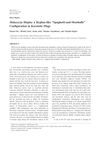
January 2022 in “Medical Mycology Journal” Malassezia fungi in healthy noses can form a "spaghetti-and-meatballs" structure.
June 2023 in “Dermatopathology” A woman had a unique skin growth with hair follicle, oil glands, fat cells, spindle cells, and nerve fibers.
 9 citations
,
July 2010 in “British Journal of Dermatology”
9 citations
,
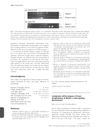
July 2010 in “British Journal of Dermatology” The document suggests a rare skin condition might be caused by a genetic phenomenon.
 15 citations
,
October 2006 in “Journal of the American Academy of Dermatology”
15 citations
,
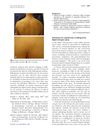
October 2006 in “Journal of the American Academy of Dermatology” Liquid nitrogen spray caused a temporary, harmless swelling under the skin in an elderly woman.
 12 citations
,
January 2009 in “Journal of Oleo Science”
12 citations
,
January 2009 in “Journal of Oleo Science” Sterol surfactants can effectively dissolve UV ray absorbers.
 5 citations
,
February 2011 in “Aesthetic Plastic Surgery”
5 citations
,
February 2011 in “Aesthetic Plastic Surgery” The new technique for repositioning lower eyelid fat with a midface lift is easier, faster, and has better results with fewer complications.
 4 citations
,
September 2010 in “Journal of Dermatological Science”
4 citations
,
September 2010 in “Journal of Dermatological Science” A new gene location for Keratosis follicularis squamosa was found on chromosome 7p14.3-7p12.1.
 1 citations
,
April 2017 in “Journal of Investigative Dermatology”
1 citations
,
April 2017 in “Journal of Investigative Dermatology” Tofacitinib may slow hair loss in scarring alopecias but is unlikely to regrow significant hair.
 March 2010 in “International Journal of Cosmetic Science”
 Disulfide bonds affect the melting behavior of hair's crystalline structure, but hair retains some stability even after these bonds are broken.
 January 1995 in “Skin Cancer”
 The outer root sheath in hair follicles changes during growth, with different keratinization processes in its layers.
November 2025 in “Journal of Investigative Dermatology” Skin-associated cartilage cells can influence hair growth by altering specific signaling pathways.
 146 citations
,
June 2012 in “PLoS ONE”
146 citations
,
June 2012 in “PLoS ONE” Paneth cells help support stem cells and aid tissue regeneration after injury.
68 citations
,
December 1983 in “British Journal of Dermatology” Major histocompatibility antigens are found in specific skin cells and structures, but not in sweat glands.
7 citations
,
May 1978 in “Acta Dermato Venereologica” A 36-year-old man had unusual skin lesions on his face without hair loss.
 April 2023 in “Journal of Investigative Dermatology”
 An elderly woman's upper lip lump, thought to be a mucocele, was actually a rare type of lymphoma usually found on legs, treated successfully with chemotherapy and radiation.
 6 citations
,
January 2015 in “Biochemical Society Transactions”
6 citations
,
January 2015 in “Biochemical Society Transactions” The Ysc84/SH3yl1 protein family is important for cell movement and the process of taking in materials by interacting with actin and cell membranes.
6 citations
,
April 2012 in “Journal of Oral Pathology and Medicine” Rushton's hyaline bodies form from hair keratin and blood substances.
 7 citations
,
April 2018 in “Cosmetics”
7 citations
,
April 2018 in “Cosmetics” Lipids in Japanese hair help maintain glossiness and structure.
3 citations
,
February 2025 in “Journal of Investigative Dermatology” Lipocartilage is a new type of tissue that affects hair growth and cartilage regeneration.
3 citations
,
March 2024 in “iScience” Long-lived proteins may predict age-related diseases.