August 2021 in “Journal of Investigative Dermatology” ILC1-like cells can cause alopecia areata by disrupting hair follicle immunity, suggesting a new treatment approach.

Dual TCR Treg cells are common in various mouse tissues and show diverse characteristics.
 102 citations
,
August 2008 in “Genes & Development”
102 citations
,
August 2008 in “Genes & Development” Laminin-511 is crucial for early hair growth and maintaining important hair development signals.
May 2023 in “bioRxiv (Cold Spring Harbor Laboratory)” The research mapped diverse cell types in mouse lacrimal glands, aiding understanding of gland biology and diseases.
July 2025 in “Journal of Investigative Dermatology” Schwann cell and M2 macrophage interactions contribute to keloid growth by increasing matrix deposition.
Sensory neuron and Merkel cell changes in the skin happen independently during normal skin maintenance.
September 2019 in “Journal of Investigative Dermatology” Innate lymphoid cells type 1 may contribute to alopecia areata.
4 citations
,
August 2022 in “Cells” lncRNA2919 slows down rabbit hair growth by stopping cell growth and causing cell death.
89 citations
,
May 2005 in “Stem Cells” Mouse skin has special cells in the epidermis that decrease with age and are linked to keratinocyte stem cells.
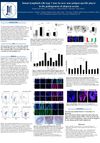
Innate lymphoid cells type 1 may contribute to alopecia areata by damaging hair follicles.
September 2016 in “Journal of Dermatological Science” Hair follicles produce IL-7, which is essential for certain skin lymphoma cells to survive.
 13 citations
,
June 2018 in “Journal of histochemistry and cytochemistry/The journal of histochemistry and cytochemistry”
13 citations
,
June 2018 in “Journal of histochemistry and cytochemistry/The journal of histochemistry and cytochemistry” Laminin-511 may contribute to psoriasis by affecting skin cell growth and survival.
Sensory neuron and Merkel cell changes in the skin happen independently during normal skin maintenance.
 April 2018 in “Journal of Investigative Dermatology”
 Researchers found that the Leptin receptor is a consistent marker for hair follicle dermal cells, which may help future hair research.
 146 citations
,
June 2012 in “PLoS ONE”
146 citations
,
June 2012 in “PLoS ONE” Paneth cells help support stem cells and aid tissue regeneration after injury.
March 2026 in “Wound Repair and Regeneration” MARCKSL1 is important for wound healing and could be a target to reduce scarring.
 1 citations
,
September 2020 in “Journal of Dermatological Science”
1 citations
,
September 2020 in “Journal of Dermatological Science” The gene LRRC15 is more active in balding areas of the scalp compared to non-balding areas.
 October 2020 in “Our Dermatology Online”
 Chronic bacterial infections of hair follicles can cause ongoing skin inflammation.
2 citations
,
August 2016 in “Journal of Investigative Dermatology”  August 2022 in “bioRxiv (Cold Spring Harbor Laboratory)”
 Mouse touch-sensitive nerve cells adjust their connections based on competition with other similar cells.
Sensory neuron and Merkel-cell changes in the skin happen independently during normal skin maintenance.
 June 2022 in “bioRxiv (Cold Spring Harbor Laboratory)”
 ILC1-like cells can cause alopecia areata by attacking hair follicles.
 115 citations
,
October 2003 in “Journal of Neuroscience”
115 citations
,
October 2003 in “Journal of Neuroscience” Aβ afferents do not sprout into the superficial spinal cord layers after nerve injury.
July 2025 in “Journal of Investigative Dermatology” Scarring alopecia involves increased immune cells and specific gene changes near damaged hair follicles.
 April 2023 in “The journal of investigative dermatology/Journal of investigative dermatology”
 The study suggests that changes in immune system receptors and their interaction with a cell component may be important in the development of a type of hair loss condition.
7 citations
,
August 2008 in “Immunogenetics” A gene mutation in mice causes increased mast cells and disorganized hair follicles in their skin.
May 2017 in “The journal of investigative dermatology/Journal of investigative dermatology” Topical immunotherapy for alopecia areata may work by creating immune cell clusters in the skin.

Meis2 is essential for touch sensation and proper nerve connection to touch receptors in certain skin areas of mice.
3 citations
,
March 2024 in “iScience” Long-lived proteins may predict age-related diseases.
August 2025 in “BMC Pharmacology and Toxicology” The LTF gene may help predict and manage nonspecific orbital inflammation.