12 citations
,
April 2004 in “PubMed” A rare skin condition in a baby showed unusual fat and hair follicle changes.
16 citations
,
June 2015 in “The journal of investigative dermatology/Journal of investigative dermatology” The enzyme DHHC13 is essential for healthy hair and skin, and its deficiency leads to hair loss and skin problems.
 80 citations
,
April 2011 in “Plant physiology”
80 citations
,
April 2011 in “Plant physiology” White lupin uses specific genes to grow root hairs and access phosphorus when it's scarce.
 26 citations
,
February 2020 in “Frontiers in genetics”
26 citations
,
February 2020 in “Frontiers in genetics” The CORT, FGF5, and CD36 genes are crucial for the cold weather adaptation of Yanbian cattle.
 October 2022 in “Asian journal of healthy and science”
 Mother-in-law's tongue leaf extract at 20% concentration significantly promotes hair growth in male rabbits.
129 citations
,
October 2017 in “BMC Genomics” The study improved understanding of gene roles in cashmere goat hair growth, aiding future cashmere production.
 13 citations
,
July 2014 in “The Journal of Dermatology”
13 citations
,
July 2014 in “The Journal of Dermatology” Dermoscopy helped diagnose discoid lupus erythematosus in two patients without needing skin biopsies.
25 citations
,
September 2014 in “SpringerPlus” Sheep have a unique gene, KAP8-2, that humans don't have, which may affect wool properties.
 March 2024 in “Frontiers in genetics”
 Xiangdong black goats have moderate genetic diversity, minimal inbreeding, and important genes for reproduction, immunity, and other traits.
 10 citations
,
June 2020 in “Journal of Cosmetic Dermatology”
10 citations
,
June 2020 in “Journal of Cosmetic Dermatology” Frontal fibrosing alopecia may be linked to genital Lichen sclerosus through an autoimmune process.
 August 2024 in “Microscopy Research and Technique”
 The study identifies the pheromone gland's location and structure in Endoclita vietnamensis, aiding future pest control methods.

Aged Julia Creek dunnarts suffer from reproductive and hormonal issues, aiding conservation efforts.
January 2005 in “Life sciences” Targeting LPA could help treat skin disorders.
1 citations
,
February 2025 in “Journal of Anatomy” Gray short-tailed opossums' skin shifts from helping with breathing to regulating body temperature as they grow.
 March 2025 in “Frontiers in Veterinary Science”
 Changing light exposure boosts hormone levels and antioxidant activity, improving cashmere growth in goats.
1 citations
,
September 2024 in “Animals” Specific gene variants affect wool traits in Chinese Tan sheep.
 May 2025 in “Animal Bioscience”
 Inhibiting prolactin reduces hair follicle activation in cashmere goats.
 6 citations
,
November 2012 in “Hair transplant forum international”
6 citations
,
November 2012 in “Hair transplant forum international” The Laxometer helps make hair transplants with many grafts safer.
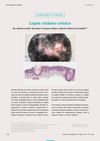 January 2024 in “Revista Dermatológica Centro Uraga”
 The patient has Chronic Cutaneous Lupus, a skin condition causing plaques and hair loss.
 December 2024 in “Egyptian Poultry Science”
 Ivermectin 0.1% is the best and safest topical treatment for rabbit mange.
Ongoing monitoring and treatment are crucial to manage sarcoptic mange in reintroduced red foxes.
 7 citations
,
June 2022 in “Czech Journal of Animal Science”
7 citations
,
June 2022 in “Czech Journal of Animal Science” Certain circular RNAs help cashmere goats grow more hair.
 November 2023 in “BMC genomics”
 The study concluded that the arachidonic acid pathway and the protein KRT79 play a role in determining the fineness of cashmere.
 3 citations
,
June 2022 in “Dermatology and therapy”
3 citations
,
June 2022 in “Dermatology and therapy” A new botanical treatment improved hair growth and symptoms in lichen planopilaris patients.
 2 citations
,
January 2024 in “Advances in Dermatology and Allergology”
2 citations
,
January 2024 in “Advances in Dermatology and Allergology” S100A7 and IL-17 may contribute to inflammation in lichen planopilaris.
7 citations
,
January 1992 in “Acta Histochemica” Porcine and human pilosebaceous units are very similar.

Wild African goats have genetic adaptations for surviving harsh desert conditions.
April 2023 in “Journal of Investigative Dermatology” RNase L suppresses regeneration in mammals.
1 citations
,
November 2023 in “Pathogens” Raccoon dogs in Schleswig-Holstein, Germany, were found with sarcoptic mange, showing severe skin issues and potential for spreading the disease.
January 2016 in “Elsevier eBooks” Dermatophycosis is a treatable fungal skin infection spread by contact with infected animals.