21 citations
,
January 2021 in “Frontiers in Pharmacology” Thiopurines help treat IBD but require genetic testing to avoid side effects.
15 citations
,
July 2024 in “Current Issues in Molecular Biology” Understanding molecular processes in skin development is key to creating targeted treatments for skin disorders.
 3 citations
,
December 2022 in “Cells”
3 citations
,
December 2022 in “Cells” Cannabinoids like CBD and THC may help treat non-cancer skin diseases, but more research is needed.
2 citations
,
May 2025 in “IntechOpen eBooks” Early treatment with corticosteroids and immunosuppressants is crucial for managing Vogt-Koyanagi-Harada disease.
 1 citations
,
November 2025 in “Cell Death and Disease”
1 citations
,
November 2025 in “Cell Death and Disease” Understanding how mesenchymal stem cells stay undifferentiated can improve their use in treating diseases.
 May 2023 in “Frontiers in Endocrinology”
 Thyroid disease can cause skin, hair, and nail problems, and treating the thyroid condition often improves these symptoms.
8 citations
,
August 2019 in “ACR Open Rheumatology” Defective repair processes may cause immune activation and inflammation in psoriatic disease.
 12 citations
,
February 2023 in “Journal of Personalized Medicine”
12 citations
,
February 2023 in “Journal of Personalized Medicine” Type 1 diabetes often occurs with other autoimmune diseases, and personalized treatment based on genetics can improve outcomes.
 2 citations
,
May 2009 in “Medicine”
2 citations
,
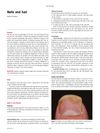
May 2009 in “Medicine” Hair and nails can help diagnose diseases, with nail issues often linked to skin conditions and hair loss having various causes and treatments.
 1 citations
,
August 2020 in “Open Access Macedonian Journal of Medical Sciences”
1 citations
,
August 2020 in “Open Access Macedonian Journal of Medical Sciences” Skin problems like rashes and hair loss can help diagnose and predict COVID-19.
 January 2026 in “Frontiers in Medicine”
 Alopecia areata in Taiwan has a high disease burden and needs better research and diagnostic criteria.
 December 2024 in “Medical Review”
 Organoids help study and treat genetic diseases, offering personalized medicine and therapy testing.

Alopecia areata is an autoimmune disease affecting hair follicles and may harm heart health.
 1415 citations
,
October 2007 in “European Journal of Epidemiology”
1415 citations
,
October 2007 in “European Journal of Epidemiology” The Rotterdam Study investigates diseases in older adults and has produced many research findings.
 266 citations
,
November 2013 in “European Journal of Epidemiology”
266 citations
,
November 2013 in “European Journal of Epidemiology” The Rotterdam Study aims to understand disease causes in the elderly and has found new risk factors and genetic influences on various conditions.
 185 citations
,
June 2014 in “Journal of Investigative Dermatology”
185 citations
,
June 2014 in “Journal of Investigative Dermatology” A man with severe hair loss and skin disease regrew his hair with no side effects after taking tofacitinib.
 122 citations
,
June 2020 in “Aging”
122 citations
,
June 2020 in “Aging” Older age and related diseases increase COVID-19 risk, but anti-aging treatments might help.
 42 citations
,
April 2021 in “Journal of clinical pharmacology”
42 citations
,
April 2021 in “Journal of clinical pharmacology” Baricitinib helps treat several diseases, including COVID-19, but has side effects and needs careful monitoring.
26 citations
,
May 2024 in “Molecular Neurodegeneration” H1 increases risk for neurodegenerative diseases, while H2 offers protection but is linked to other disorders.
26 citations
,
November 2022 in “European journal of medical research” Nanoparticles can effectively treat diseases by modifying blood vessel growth.
 26 citations
,
February 2016 in “Respiratory Medicine”
26 citations
,
February 2016 in “Respiratory Medicine” Auto-antibody testing is a useful but not definitive tool in diagnosing interstitial lung diseases, and using a specific algorithm could make testing more cost-effective.
13 citations
,
December 2021 in “Molecules” Inorganic nanomaterials can improve brain disease imaging by being more precise and faster than traditional methods.
9 citations
,
May 2025 in “Stem Cell Research & Therapy” Extracellular vesicles can both worsen and help treat age-related diseases and are useful for early diagnosis.
 7 citations
,
May 2010 in “Journal of Dermatological Treatment”
7 citations
,
May 2010 in “Journal of Dermatological Treatment” A man with multiple autoimmune diseases developed liver injury from azathioprine, but his liver improved after stopping the drug.
3 citations
,
September 2025 in “Frontiers in Cardiovascular Medicine” Women with PCOS have a higher risk of heart disease.
January 2026 in “Biomolecules” TSC22D genes are key in metabolic diseases and cancer, offering potential as treatment targets.
Drinking sweetened tea and late bedtimes increase the risk of hair loss in women.
Drinking sweetened tea and late bedtimes increase the risk of hair loss in women.
 January 2018 in “Biomedical Research (Aligarh)”
 Women with early-onset baldness should be checked for early bone loss, but bone density doesn't change with baldness severity.
61 citations
,
January 2011 in “PloS one” Notch signaling is essential for healthy skin and hair follicle maintenance.