 3 citations
,
March 2012 in “Actas Dermo-Sifiliográficas”
3 citations
,
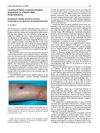
March 2012 in “Actas Dermo-Sifiliográficas” An elderly man with skin amyloidosis and abnormal blood proteins was monitored without finding widespread disease after 18 months.
1 citations
,
January 2016 in “INTAS POLIVET” High selenium levels in some areas cause health issues in cows and buffaloes, but blood tests remain normal.
 12 citations
,
November 1970 in “Postgraduate Medical Journal”
12 citations
,
November 1970 in “Postgraduate Medical Journal” Some skin diseases and anaemia are related, and treating the skin condition can often improve the anaemia.
September 2014 in “Archives of disease in childhood” A 12-year-old boy had severe shingles and skin damage after a stem-cell transplant.
13 citations
,
August 2000 in “Blood” Measuring minimal residual disease on day 15 helps identify high-risk leukemia patients.
 April 2023 in “The journal of investigative dermatology/Journal of investigative dermatology”
 People with alopecia areata have fewer IL-10 producing immune cells, which might contribute to the condition.
46 citations
,
December 1997 in “Cancer Nursing” CHOP chemotherapy for non-Hodgkin's lymphoma commonly causes hair loss, fatigue, taste changes, and nausea.
1 citations
,
January 2024 in “Pediatric Dermatology” The boy's scurvy symptoms improved with vitamin C treatment, highlighting the need for a balanced diet.
January 2026 in “JCEM Case Reports” A woman with hypothyroidism developed an allergy to IV levothyroxine after being resistant to oral forms.
26 citations
,
February 2015 in “Pediatric blood & cancer” Targeted anticancer therapies in children often cause skin side effects like rash and dry skin.
 November 2025 in “Cermin Dunia Kedokteran”
 A 16-year-old girl with autoimmune hemolytic anemia and deep vein thrombosis improved with treatment, possibly indicating systemic lupus erythematosus.
 October 2021 in “Journal of Investigative Dermatology”
 The COVID-19 pandemic has led to more severe cases of Leprosy due to delayed medical care.
10 citations
,
August 2016 in “Dermatology Online Journal” Nilotinib can cause skin issues like red bumps and hair loss.
October 2023 in “Indian Journal of Skin Allergy” Nab-paclitaxel chemotherapy can rarely cause lupus-like skin issues.
 September 1997 in “Journal of The European Academy of Dermatology and Venereology”
 Skin lymphoproliferative disorders are hard to diagnose and often linked to systemic diseases, but most have a good prognosis with accurate diagnosis.
26 citations
,
April 2007 in “Journal of clinical oncology”  15 citations
,
January 2000 in “Dermatology”
15 citations
,
January 2000 in “Dermatology” Minoxidil use may cause skin pigmentation loss.
September 2023 in “Journal of the American Academy of Dermatology” 56 citations
,
December 1978 in “The Journal of Dermatologic Surgery and Oncology” Transplanting small skin grafts can successfully repigment leukoderma.
 7 citations
,
December 2013 in “The Journal of Dermatology”
7 citations
,
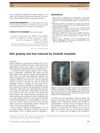
December 2013 in “The Journal of Dermatology” A woman's hair turned gray and fell out after starting a cancer drug called imatinib mesylate.
November 2017 in “Arthritis Care & Research” April 2026 in “Health care of Tajikistan” Combined therapy reduces inflammation and restores immune balance in alopecia areata patients.
 December 2025 in “International Journal of Innovative Technologies in Social Science”
 Ritlecitinib is generally safe for long-term use, with mostly mild side effects.
 4 citations
,
July 2019 in “Clinics in Dermatology”
4 citations
,
July 2019 in “Clinics in Dermatology” The document concludes that while white skin, nail, and mucosa diseases increase skin cancer risk, they are generally harmless, especially compared to darker pigmentation conditions.
 January 2021 in “American journal of dermatological research and reviews”
 The muscle damage was caused by T-cell large granular lymphocytic leukemia, not dermatomyositis.
83 citations
,
January 1980 in “Veterinary Pathology” Canine leishmaniasis is present in Oklahoma, USA.
6 citations
,
October 1983 in “PubMed” Coenzyme Q10 may protect liver function but doesn't reduce hair loss from anthracycline antibiotics.
 November 2024 in “International Journal of Research in Medical Sciences”
 Hypoalbuminemia can cause pleural effusion and needs careful treatment.
47 citations
,
April 2012 in “Analytical and Bioanalytical Chemistry” April 2023 in “Journal of Investigative Dermatology” CD8+ T cells attack hair follicle stem cells, causing scarring and hair loss.