 January 2021 in “American journal of dermatological research and reviews”
 The muscle damage was caused by T-cell large granular lymphocytic leukemia, not dermatomyositis.
 47 citations
,
June 2011 in “Movement Disorders”
47 citations
,
June 2011 in “Movement Disorders” The LRRK2-G2019S mutation in Parkinson's disease has a lifetime penetrance of 25-35%, and finasteride may help reduce symptoms in adult male Tourette syndrome patients.
 29 citations
,
January 2010 in “Methods in Enzymology”
29 citations
,
January 2010 in “Methods in Enzymology” The document concludes that careful design of genetic fate mapping experiments is crucial for accurate cell lineage tracing in mice.
December 2023 in “Journal of Thoracic Disease” Increased EGFR gene variations may predict chemotherapy outcomes in small cell lung cancer patients.
November 2023 in “Journal of Investigative Dermatology” Removing GRK2 in skin cells causes hair loss similar to immune-related alopecia.
 7 citations
,
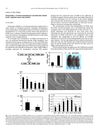
December 2008 in “Journal of Dermatological Science”
7 citations
,
December 2008 in “Journal of Dermatological Science” Progranulin overexpression leads to shorter, thinner hair and increased cell death in mouse hair follicles.
4 citations
,
March 2018 in “Animal biotechnology” The LAMTOR3 gene is involved in cashmere goat hair growth and is affected by certain treatments and other genes.
July 2026 in “Theranostics” A new nanocage system protects hair cells and reduces hearing loss effectively.
Keratinocytes can reverse the effects of the GNAQ oncogene, inhibiting melanoma cell growth.
 October 2023 in “Journal of Cosmetic Dermatology”
 A synthetic octapeptide may help promote hair growth and counteract hair loss.
 24 citations
,
August 2017 in “Prostaglandins & Other Lipid Mediators”
24 citations
,
August 2017 in “Prostaglandins & Other Lipid Mediators” CRTH2 antagonists might be useful for treating many conditions because they play a role in immune and inflammation responses.
 7 citations
,
March 2021 in “Journal of animal science/Journal of animal science ... and ASAS reference compendium”
7 citations
,
March 2021 in “Journal of animal science/Journal of animal science ... and ASAS reference compendium” Blocking prolactin increases the activity of secondary hair follicles in cashmere goats.
 April 2023 in “The journal of investigative dermatology/Journal of investigative dermatology”
 The study suggests that changes in immune system receptors and their interaction with a cell component may be important in the development of a type of hair loss condition.
9 citations
,
January 2014 in “Molecular Genetics and Metabolism Reports” The rhg mutation in mice affects the Oat gene, causing hair growth issues and other symptoms.
 January 2022 in “Dermatology Review”
 EGFR inhibitors can cause unusual localized hair growth.
NCBP3, SDHA, and PTPRA are the best genes for normalizing goat skin experiments.
3 citations
,
January 2018 in “International Journal of Trichology” The new system helps detect and track early female hair loss better.
1 citations
,
August 2021 in “Journal of Investigative Dermatology” ASLAN004 was safe and well-tolerated, supporting further development for treating certain diseases.
 October 2025 in “JEADV Clinical Practice”
 GLP-1 receptor agonists may increase the risk of a specific type of hair loss called androgenetic alopecia.
3 citations
,
April 2024 in “Molecular Human Reproduction” Paxillin may help manage androgen-related disorders like PCOS by stabilizing androgen receptor proteins.
 October 2024 in “SPIRE - Sciences Po Institutional REpository”
 Glypicans help hair follicle stem cells differentiate by interacting with specific receptors, influencing hair growth.
September 2021 in “The journal of investigative dermatology/Journal of investigative dermatology” Three genes linked to the development of trichilemmal cysts were found.
 15 citations
,
May 2003 in “The Laryngoscope”
15 citations
,
May 2003 in “The Laryngoscope” FGF-1 causes spiral ganglion neurites to branch more.
 January 2025 in “Turkish Journal of Cerebrovascular Diseases”
 CARASIL can cause different symptoms even with the same genetic mutation.
39 citations
,
January 2020 in “Scientific Reports” Four circRNAs were found to be significantly different in cashmere goat skin, affecting cashmere fineness.
1 citations
,
July 2025 in “Frontiers in Genetics” FilaggrinHigh melanomas have active FGFR signaling and weak GNA14 and Th1 signatures.
 4 citations
,
January 2016 in “International journal of reproduction, contraception, obstetrics and gynecology”
4 citations
,
January 2016 in “International journal of reproduction, contraception, obstetrics and gynecology” A certain genetic variation is linked to a higher risk of polycystic ovarian syndrome.
1 citations
,
November 2024 in “EMBO Reports” Deleting Gpr54 speeds up hair growth and regeneration.
 July 2022 in “The journal of investigative dermatology/Journal of investigative dermatology”
 A patient with a PLEC mutation has epidermolysis bullosa, muscular dystrophy, and myasthenia gravis, which improved with steroid treatment.
39 citations
,
January 2020 in “Frontiers in Genetics” PDGFC gene may help select goats with desirable curly wool traits.