 April 2018 in “Journal of Investigative Dermatology”
 Acne patients' skin, both with and without lesions, shows a strong immune response and higher antimicrobial activity.
September 2019 in “The journal of investigative dermatology/Journal of investigative dermatology” A new mutation in the STING protein causes a disease with lupus-like symptoms and responds well to a specific inhibitor treatment.
 February 2026 in “Nature Communications”
 A specific group of immune and skin cells may cause chronic inflammation in atopic dermatitis.
14 citations
,
May 2009 in “Journal of the American Academy of Dermatology” The patient's scalp lesions stabilized with a combination of treatments after initial therapies failed.

Scalp psoriasis inflammation is mainly caused by bacteria-related triggers.
6 citations
,
June 1986 in “The Journal of Dermatology” Reticular erythematous mucinosis syndrome can occur with minimal mucin deposition.
October 2024 in “Benha Medical Journal” Patients with Alopecia Areata have higher levels of certain inflammatory markers.
56 citations
,
January 2004 in “Journal of the American Academy of Dermatology” Cyclosporine can cause a unique skin condition called "cyclosporine-induced folliculodystrophy."
June 2026 in “Indian Dermatology Online Journal” Granulomatous inflammation in alopecia areata is rare and needs careful diagnosis to avoid confusion with other conditions.
December 2025 in “JGH Open” Early diagnosis and treatment with corticosteroids can improve outcomes in Cronkhite–Canada syndrome.

Tofacitinib significantly improved hair loss and lesions in a patient with overlapping autoimmune disorders.
16 citations
,
February 1999 in “American Journal of Dermatopathology” Lymphocytes may hinder hair stem cells, causing hair loss without scarring.
3 citations
,
September 2024 in “Experimental Dermatology” IL-18 levels are higher in hidradenitis suppurativa patients and may indicate disease severity.
May 2023 in “Zenodo (CERN European Organization for Nuclear Research)” Pyoderma gangrenosum can occur in rheumatoid arthritis patients and may be mistaken for vasculitis.
July 2024 in “Journal of Investigative Dermatology” IL-13 protein is much higher in the skin of atopic dermatitis patients than in healthy skin.
 3 citations
,
July 2013 in “Journal of Cutaneous Pathology”
3 citations
,
July 2013 in “Journal of Cutaneous Pathology” A woman's hair loss, resembling an autoimmune condition, improved after treatment, but requires ongoing checks due to potential serious associations.
5 citations
,
May 2022 in “Lara D. Veeken” A rare genetic condition can mimic symptoms of other diseases, making diagnosis challenging.
16 citations
,
April 2017 in “Pediatric Dermatology” Oral isotretinoin effectively treated the man's painful scalp condition and hair loss.
7 citations
,
July 2024 in “Dermatology Practical & Conceptual” SII is a useful and affordable tool to assess and monitor alopecia areata.
51 citations
,
May 1984 in “Journal of the American Academy of Dermatology” Benign follicular mucinosis involves immune cells attacking hair follicles.
15 citations
,
January 2006 in “British Journal of Dermatology” A woman with skin eruptions and hair loss improved significantly with ointment treatment.
 October 2025 in “Scholars Journal of Medical Case Reports”
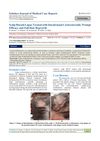
 Intralesional corticosteroids effectively treat scalp Discoid Lupus and restore hair.
 33 citations
,
June 2012 in “Journal of Crohn's and colitis”
33 citations
,
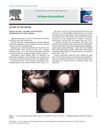
June 2012 in “Journal of Crohn's and colitis” Alopecia Areata might be linked to Crohn's disease.
February 2024 in “International journal of molecular sciences” Type 3 Innate Lymphoid Cells help maintain skin health and balance, and are involved in skin diseases and healing.
April 2020 in “International Journal of Dermatology” T-cell patterns in skin help distinguish alopecia areata from androgenetic alopecia.
2 citations
,
May 2020 in “JAAD case reports” Ruxolitinib can cause a delayed skin reaction on the nose.
ILC1-like cells may contribute to hair loss in alopecia areata and could be new treatment targets.
January 2026 in “Journal of Clinical Medicine” Janus kinase inhibitors reduce inflammation markers in severe alopecia areata patients.
12 citations
,
June 2015 in “Dermatology Reports” Middle-aged women in Iran are most affected by primary cicatricial alopecia, especially discoid lupus erythematous.
ILC1-like cells may contribute to hair loss in alopecia areata.