 15 citations
,
May 2016 in “Die Pharmazie”
15 citations
,
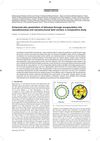
May 2016 in “Die Pharmazie” Nanostructured lipid carriers deliver lidocaine to the skin better than nanoethosomes.
1 citations
,
May 2022 in “Journal of Drugs in Dermatology” Low-dose naltrexone and platelet-rich plasma can regrow hair in lichen planopilaris.
 April 2023 in “Indian journal of paediatric dermatology”
 Early diagnosis and treatment of nail lichen planus in children can prevent permanent nail damage.
 April 2021 in “Bioscientia Medicina Journal of Biomedicine and Translational Research”
 Patients with lupus nephritis and COVID-19 can improve with proper treatment.
 April 2016 in “Journal of Investigative Dermatology”
 Mefloquine, an antimalarial drug, is effective in killing melanoma cells resistant to other treatments by causing lethal stress in the cells.
February 2022 in “Veterinary record case reports” Light therapy successfully treated a dog's hair growth problem without side effects.
2 citations
,
December 2019 in “Chinese medical journal/Chinese Medical Journal” A woman with a scalp infection and herpes recovered fully after treatment.
 April 2012 in “Journal of the American Academy of Dermatology”
 Clofazimine effectively treated ashy dermatosis in a patient.
 March 2014 in “Journal of clinical microbiology”
 Kerion, a scalp fungal infection, requires lab confirmation and is treated with antifungal medication and medicated shampoo.
 3 citations
,
September 2020
3 citations
,
September 2020 Dyclonine can effectively reduce skin issues by inhibiting the TRPV3 channel.
 8 citations
,
July 1996 in “Annals of Internal Medicine”
8 citations
,
July 1996 in “Annals of Internal Medicine” Itraconazole may cause low platelet and white blood cell counts.
Low-level laser therapy combined with Neoptide improved hair regrowth better than either treatment alone in rats.
 24 citations
,
May 2010 in “Veterinary dermatology”
24 citations
,
May 2010 in “Veterinary dermatology” Oral ciclosporin A and topical treatments both reduce hair loss and scaling in dogs with sebaceous adenitis, but using both together is most effective.
15 citations
,
July 2010 in “Journal of Allergy and Clinical Immunology” A new cream, DHMEQ, reduces allergic skin inflammation effectively.
 24 citations
,
December 2009 in “Future Medicinal Chemistry”
24 citations
,
December 2009 in “Future Medicinal Chemistry” Using computers to analyze drugs can find new uses for them, but actual experiments are needed to confirm these uses.
6 citations
,
April 2010 in “Arthritis Care & Research” Antituberculous drugs improved symptoms in a woman with lupus and myositis.
8 citations
,
August 2022 in “Pharmaceutics” Erythrocyte-anchored nanoparticles improved Cepharanthine delivery and effectiveness for treating acute lung injury.
 4 citations
,
December 2013 in “International Journal of Dermatology”
4 citations
,
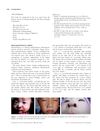
December 2013 in “International Journal of Dermatology” Three children with nasal fungal infections were successfully treated with potassium iodide and sometimes itraconazole.
November 2022 in “Journal of Investigative Dermatology” ILC1-like cells can cause alopecia areata by affecting hair follicles.
 December 2025 in “Clinical Cosmetic and Investigational Dermatology”
 A rare lupus case on the chin was successfully treated with steroids and immunomodulators after accurate diagnosis using advanced imaging techniques.
July 2024 in “Journal of Investigative Dermatology” Baicalin may help treat severe drug-induced skin reactions.
 81 citations
,
February 2000 in “Anti-cancer drugs”
81 citations
,
February 2000 in “Anti-cancer drugs” Doxil showed some effectiveness against advanced prostate cancer but caused severe side effects at higher doses.
8 citations
,
April 2012 in “Laser Physics Letters” Antiseptic particles penetrate deeper into hair follicles than non-antiseptic ones.
56 citations
,
September 2016 in “Pharmaceutical Research” The fish oil-based gel with imiquimod improves skin cancer treatment and reduces inflammation.
 206 citations
,
September 2010 in “PLoS ONE”
206 citations
,
September 2010 in “PLoS ONE” The PIRL laser cuts tissue with less damage and scarring than traditional methods.
 June 2026 in “Open Access Research Journal of Biology and Pharmacy”
 Bedaquiline, Telmisartan, Diosmin, Azelastine, and Adapalene may be effective treatments for onchocerciasis.
 August 2025 in “Frontiers in Pharmacology”
 [6]-Gingerdiol 3-monoacetate shows promise for treating T. whipplei infections.
 February 2020 in “Definitions”
 Botanical lotion CG428 may help regrow hair and reduce scalp inflammation in chemotherapy patients.
9 citations
,
April 2020 in “Journal of Cosmetic Dermatology” Immune checkpoint inhibitors can cause scalp inflammation and hair follicle issues.
28 citations
,
December 2001 in “European Journal of Pharmacology” M50054 may help treat hepatitis and hair loss from chemotherapy.