May 2025 in “OPAL (Open@LaTrobe) (La Trobe University)” Targeting specific metabolic and ionic pathways may improve alopecia areata treatment.
 75 citations
,
June 2019 in “International Journal of Molecular Sciences”
75 citations
,
June 2019 in “International Journal of Molecular Sciences” Costunolide may have multiple health benefits, including promoting hair growth and protecting against cancer and diabetes, but more research is needed.
5 citations
,
June 2012 in “PubMed” Valproic acid can cause a skin condition called leukocytoclastic vasculitis, which usually gets better after stopping the drug.
6 citations
,
September 2018 in “ACS applied bio materials” Calcium fatty acid deposits found in human hair can change its appearance and feel.
 December 2024 in “Deleted Journal”
 Flaxseed can naturally smooth and improve hair health.
Fractional CO2 laser is more effective and safer than steroid injections for treating alopecia areata.
 October 1993 in “Proceedings of The Nutrition Society”
 Dietary choices, especially fat type, can influence health.
January 1962 in “Archives of Dermatology” A 5-year-old girl has lipoid proteinosis, causing voice issues, hair thinning, skin lesions, and tongue movement problems.
24 citations
,
September 2020 in “Pharmaceutics” Lidocaine-loaded microparticles effectively relieve pain and fight bacteria in wounds.
February 2019 in “International Journal of Dermatology and Clinical Research” Nε-(carboxymethyl) lysine delays hair growth by blocking a key protein.
18 citations
,
June 2016 in “Clinical and Experimental Dermatology” Increasing isoleucine intake improved skin and health issues in an infant with maple syrup urine disease.
June 2025 in “Korean Journal of Pharmacognosy” Isoalantolactone promotes hair growth by activating specific cell pathways.
 April 2025 in “Natural Product Communications”
 Angelica sinensis and Ligusticum sinense essential oils promote hair growth safely.
 October 2022 in “International journal of medical science and clinical research studies”
 Mixing platelet-rich plasma with Poly-D,L-Lactic Acid helps reduce deep lines around the nose and mouth.
August 2025 in “BMC Pharmacology and Toxicology” The LTF gene may help predict and manage nonspecific orbital inflammation.
 September 2024 in “PubMed”
 Certain RNAs may help diagnose alopecia areata by affecting keratin genes.
28 citations
,
January 2016 in “RSC Advances” A non-toxic formula using polycarboxylic acids strengthens and improves hair.
 July 2018 in “Elsevier eBooks”
 Discoid Lupus Erythematosus often causes scarring hair loss, is influenced by genetics and environment, and requires early treatment to prevent worsening.
 May 2026 in “Journal of Asia Pacific Aesthetic Sciences”
 Low-dose intralesional corticosteroid treatment led to rapid hair regrowth in localized alopecia areata.
7 citations
,
March 2023 in “The Journal of Biochemistry” LONRF1 is important for oxidative damage response and tissue remodeling during wound healing.
 1 citations
,
September 2023 in “Molecules (Basel. Online)”
1 citations
,
September 2023 in “Molecules (Basel. Online)” Plant sterols have health benefits like lowering cholesterol, but more research is needed to understand their effects and improve their extraction and sustainability.
7 citations
,
May 2022 in “Indonesian Journal of Science and Technology” Compounds from Etlingera alba may help treat Triple Negative Breast Cancer.
November 2025 in “Journal of Investigative Dermatology” Skin-associated cartilage cells can influence hair growth by altering specific signaling pathways.
46 citations
,
September 2018 in “Expert Opinion on Drug Delivery” Melatonin in special carriers can help treat hair loss.
March 2026 in “FEBS Open Bio” 5-ALA and FAC together help hair grow by activating key cells.
61 citations
,
March 2006 in “Colloids and surfaces. B, Biointerfaces” Lecithin microemulsion safely delivers tetracaine hydrochloride through the skin.
November 2025 in “Cosmetics” POLEVAN® improves hair shine, moisturizes the scalp, and maintains foam quality in shampoos.
 23 citations
,
December 2013 in “British Journal of Dermatology”
23 citations
,
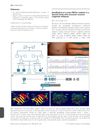
December 2013 in “British Journal of Dermatology” A new gene mutation linked to a skin condition was found in a Spanish family.
 April 2026 in “Colloids and Surfaces B Biointerfaces”
 The nanofibers made from α-lactalbumin and soy protein improve wound healing.
 January 2025 in “Letters in Drug Design & Discovery”
 Ozonated olive oil may effectively treat fungal skin infections.