 19 citations
,
March 2013 in “Journal of Cutaneous Pathology”
19 citations
,
March 2013 in “Journal of Cutaneous Pathology” The study found unique skin changes in a rare type of alopecia linked to a skin condition called linear morphea.
 10 citations
,
July 2008 in “Journal of Cutaneous Pathology”
10 citations
,
July 2008 in “Journal of Cutaneous Pathology” Increased mucin in the skin might indicate lupus in patients with hair loss, but more research is needed.
November 2015 in “Australasian Journal of Dermatology” Lichenoid keratosis can cause localized hair loss.
 January 2022 in “Clinical Cases in Dermatology”
 A 62-year-old woman with hair loss and scalp itching was diagnosed with lichen planopilaris, treated initially with topical corticosteroids, and other possible treatments include systemic steroids, antimalarials, and more.
 September 2022 in “IP Indian journal of clinical and experimental dermatology”
 An 8-year-old girl has a rare genetic disorder causing complete, irreversible hair loss and skin bumps.
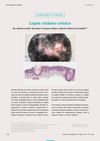 January 2024 in “Revista Dermatológica Centro Uraga”
 The patient has Chronic Cutaneous Lupus, a skin condition causing plaques and hair loss.
August 2025 in “Annals of African Medicine”  3 citations
,
June 2020 in “Cureus”
3 citations
,
June 2020 in “Cureus” A woman's hair loss led to discovering she had lupus.

A new minoxidil regimen improved hair loss in a lupus patient.
 12 citations
,
January 2017 in “Skin appendage disorders”
12 citations
,
January 2017 in “Skin appendage disorders” Two patients with skin lupus were mistakenly thought to have a different scalp condition but improved with lupus treatment.
September 2025 in “JAAD Case Reports” Hair extensions can worsen scalp conditions and should be avoided in those with alopecia.
5 citations
,
June 2002 in “Clinical and Experimental Dermatology” Alopecia areata management involves explaining the condition, using treatments like steroids and immunotherapy, and providing support like counseling and wigs.
 September 2024 in “Drugs & Therapy Perspectives”
 Ritlecitinib effectively regrows hair in severe alopecia areata and is well tolerated.
Genetic factors might cause fibrosing alopecia linked to hair shaft abnormalities.
May 2017 in “Journal of the American Academy of Dermatology” 
Scarring alopecia, a type of hair loss, is most common in females under 35, often caused by discoid lupus erythematosus and pseudopelade of Brocq. Skin punch biopsy and histopathology are key to identifying its cause.

Hair transplants can cause hair loss if done while lichen planopilaris is active; wait until it's inactive for two years and check with a scalp biopsy first.
 3 citations
,
May 2018 in “The American Journal of Medicine”
3 citations
,
May 2018 in “The American Journal of Medicine” A woman's long-term scalp issues were diagnosed as a rare skin disorder called cutaneous Langerhans cell histiocytosis.
 15 citations
,
April 2020 in “Journal of The American Academy of Dermatology”
15 citations
,
April 2020 in “Journal of The American Academy of Dermatology” Oral minoxidil can increase or maintain hair thickness in most people with lichen planopilaris, with mild side effects.
22 citations
,
August 2020 in “Journal of the American Academy of Dermatology” Women with lichen planopilaris and frontal fibrosing alopecia often have other health issues like hypothyroidism and lupus.
 2 citations
,
July 2020 in “Giornale italiano di dermatologia e venereologia”
2 citations
,
July 2020 in “Giornale italiano di dermatologia e venereologia” A woman with frontal fibrosing alopecia experienced unusual hair growth after using a specific topical lotion.
 12 citations
,
January 2010 in “Acta Dermato Venereologica”
12 citations
,
January 2010 in “Acta Dermato Venereologica” Women with early onset androgenetic alopecia have worse lipid profiles.
November 2023 in “International Journal of Trichology” A rare form of lupus caused hair loss and skin bumps, diagnosed through biopsy, improved partially with treatment.
January 2026 in “JPRAS Open” PDLLA scalp injections improved hair regrowth in most patients with non-scarring alopecia.
 April 2022 in “Indexia revista médico - científica”
 Alopecia causes sudden hair loss, possibly due to genetic, environmental, or immune factors.
 1 citations
,
April 2010 in “Expert Review of Dermatology”
1 citations
,
April 2010 in “Expert Review of Dermatology” The document concludes that early diagnosis and treatment are crucial for managing rare hair loss disorders and that more research is needed to improve treatment strategies.
 June 2024 in “Bangladesh Journal of Medicine”
 Effective alopecia treatment depends on the specific cause and includes medications and procedures.
18 citations
,
May 2006 in “Journal of Cutaneous Medicine and Surgery” Linear lichen planopilaris can affect the trunk, not just the face.
July 2020 in “Faculty Opinions – Post-Publication Peer Review of the Biomedical Literature” December 2025 in “Experimental Dermatology” Improving blood vessel health and controlling uric acid may help manage alopecia areata.