 17 citations
,
May 2021 in “Journal of Applied Pharmaceutical Science”
17 citations
,
May 2021 in “Journal of Applied Pharmaceutical Science” Transferosomes effectively deliver drugs through the skin, improving treatment for skin disorders.
 151 citations
,
November 2018 in “International Journal of Pharmaceutics”
151 citations
,
November 2018 in “International Journal of Pharmaceutics” Nanoparticles improve drug delivery through the skin but more research is needed on their long-term effects and skin penetration challenges.
 21 citations
,
July 2017 in “Journal of Cosmetic and Laser Therapy”
21 citations
,
July 2017 in “Journal of Cosmetic and Laser Therapy” Vesicular carriers like liposomes may improve cosmetic skin treatment delivery and effectiveness but need more human research.
 2 citations
,
August 2023 in “Pharmaceutics”
2 citations
,
August 2023 in “Pharmaceutics” New skin disease treatments using TDDS are improving but face challenges like side effects and high costs.
 July 2026 in “International Journal of Drug Delivery Technology”
 New drug delivery systems show promise for better alopecia treatment but need more safety tests and standardization.
 December 2024 in “Pharmaceutics”
 Spironolactone nano-formulations show promise for treating skin disorders, but more research is needed for safety and effectiveness.
 June 2026 in “International Journal of Drug Delivery Technology”
 New drug delivery systems can better target hair follicles to treat hair loss effectively.
January 2026 in “Pharmaceutics” Nanotechnology in skincare improves ingredient stability, skin penetration, and controlled release for better cosmetic solutions.
 2 citations
,
September 2016 in “Journal of Dermatological Science”
2 citations
,
September 2016 in “Journal of Dermatological Science” Squarticles, tiny particles made from sebum-derived lipids, can effectively deliver minoxidil, a hair growth drug, directly to hair follicles and skin cells, with less skin penetration and more tolerability.
 2 citations
,
November 2024 in “AAPS PharmSciTech”
2 citations
,
November 2024 in “AAPS PharmSciTech” Spanlastic formulations improve rivaroxaban's oral anticoagulation efficiency.
26 citations
,
December 2022 in “Future Journal of Pharmaceutical Sciences” Invasomes with natural terpenes can improve drug delivery through the skin.
29 citations
,
December 2021 in “Pharmaceutics” Phospholipid soft vesicles improve topical drug delivery for better skin condition treatments.
 15 citations
,
February 2013 in “Pharmaceutical nanotechnology”
15 citations
,
February 2013 in “Pharmaceutical nanotechnology” Finasteride delivery through skin improved using invasomes and iontophoresis.
 1 citations
,
November 2024 in “Pharmaceutical Sciences”
1 citations
,
November 2024 in “Pharmaceutical Sciences” Deformable vesicular carriers improve drug delivery for skin conditions and systemic treatments.
 84 citations
,
July 2008 in “Aaps Pharmscitech”
84 citations
,
July 2008 in “Aaps Pharmscitech” Ethosomes improve finasteride delivery through skin for hair loss treatment.
 15 citations
,
May 2016 in “Die Pharmazie”
15 citations
,
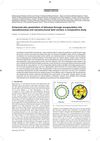
May 2016 in “Die Pharmazie” Nanostructured lipid carriers deliver lidocaine to the skin better than nanoethosomes.
 44 citations
,
August 2017 in “Food Bioscience”
44 citations
,
August 2017 in “Food Bioscience” Researchers made a special butter with added betasitosterol that could be healthier for the heart and stayed good for three months.
 July 2024 in “ADMET & DMPK”
 Surface-modified nanostructured lipid carriers can improve hair growth treatments.
 June 2023 in “Sains Malaysiana”
 Cinchonine Nanostructured Lipid Carriers serum safely and effectively stimulates hair growth and increases the number and size of hair follicles.
 June 2026 in “Discover Nano”
 Lipid nanocarriers could effectively promote hair regrowth with fewer side effects.
 2 citations
,
January 2018 in “Elsevier eBooks”
2 citations
,
January 2018 in “Elsevier eBooks” Lipid nanoparticles improve drug delivery through the skin, offering stability, controlled release, and better compatibility with skin.

L-PGDS has specific binding sites for its functions and could help in drug delivery system design.
 28 citations
,
November 2020 in “Journal of Controlled Release”
28 citations
,
November 2020 in “Journal of Controlled Release” A new hair loss treatment uses tiny needles to deliver a drug-loaded lipid carrier, promoting hair growth more effectively than current treatments.
 1 citations
,
May 2022 in “Pharmaceutics”
1 citations
,
May 2022 in “Pharmaceutics” Tea seed oil in nanostructured carriers stimulates hair growth and feels less greasy when applied.
 9 citations
,
October 2013 in “Drug Delivery”
9 citations
,
October 2013 in “Drug Delivery” Ethosomal carriers effectively deliver hair loss drug into skin.
14 citations
,
November 2018 in “Journal of drug delivery and therapeutics” Ethosomes are effective, safe carriers for delivering drugs through the skin.
1 citations
,
October 2018 in “InTech eBooks” Ethosomes are a promising method for treating hair loss by delivering drugs directly to the scalp.
 27 citations
,
August 2018 in “Therapeutic Delivery”
27 citations
,
August 2018 in “Therapeutic Delivery” Nanotechnology could make hair loss treatments more effective and reduce side effects, but more research is needed before it's available.
 2 citations
,
March 2020 in “International Journal of Molecular Sciences”
2 citations
,
March 2020 in “International Journal of Molecular Sciences” Topical treatments can deliver active molecules to skin stem cells, potentially helping treat skin and hair disorders, including skin cancers and hair loss.
8 citations
,
May 2024 in “Advanced NanoBiomed Research” Nanocarriers can improve skin drug delivery but face challenges in clinical use.