 13 citations
,
May 2021 in “Plants”
13 citations
,
May 2021 in “Plants” The leaf extract of Leea indica may reduce inflammation, dissolve blood clots, and promote hair growth.
24 citations
,
November 2023 in “International Journal of Molecular Sciences” PRP and ADSC therapies show promise in improving symptoms of genital lichen sclerosus with minimal side effects.
 June 2003 in “Obstetrical & Gynecological Survey”
 Examining more lymph nodes can improve survival rates in breast cancer patients without lymph node involvement.
January 2026 in “Pharmaceutical Development and Technology” Lavender oil and tea seed oil may help hair growth.
 10 citations
,
June 2019 in “Case reports in dermatology”
10 citations
,
June 2019 in “Case reports in dermatology” LALPS causes non-scarring hair loss along the Blaschko line, with unique trichoscopic findings.
40 citations
,
October 2012 in “Journal of the American Academy of Dermatology” CLASI is a valid tool for assessing skin activity and damage in lupus patients.
1 citations
,
December 2020 in “Medical lasers” The laser therapy device effectively increased hair growth in people with androgenetic alopecia.
17 citations
,
July 2019 in “Lupus Science & Medicine” Plucked hair follicles can help diagnose scalp lupus.
3 citations
,
August 2024 in “Molecular Biology Reports” LncRNA018392 helps goat skin cells grow by increasing CSF1R.
 September 2023 in “Clinical, cosmetic and investigational dermatology”
 SLFC can improve scalp health and reduce sensitive scalp symptoms.
6 citations
,
December 2021 in “Journal of Clinical Medicine” LiPADI is a useful tool for monitoring the severity and treatment of lichen planus.
1 citations
,
January 2026 in “JDDG Journal der Deutschen Dermatologischen Gesellschaft” LC-OCT can help diagnose different types of scarring alopecia.
October 2022 in “The Laryngoscope” The InCISE score is a promising tool for assessing wound healing in head and neck surgery but needs more research for broader use.
October 2017 in “Data Archiving and Networked Services (DANS)” Current SLE classifications need refinement, and the complement system is a key therapeutic target.
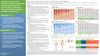 March 2026 in “SKIN The Journal of Cutaneous Medicine”
 All parts of the CLASI-A score are important for assessing skin activity in cutaneous lupus erythematosus.
 April 2026 in “International Journal of Clinical Case Reports and Reviews”
 A new non-invasive laser system improves chronic disease management and metabolic health.
 8 citations
,
September 2023 in “Advanced Pharmaceutical Bulletin”
8 citations
,
September 2023 in “Advanced Pharmaceutical Bulletin” Chitosan-coated spironolactone nano carriers effectively treat acne without side effects.
39 citations
,
May 2019 in “Journal of the American Academy of Dermatology” Hair loss in lupus patients indicates higher disease activity.
1 citations
,
July 2025 in “PubMed” Cord blood platelet-rich plasma may safely improve vulvar lichen sclerosus symptoms.
 52 citations
,
March 2007 in “Dermatologic Therapy”
52 citations
,
March 2007 in “Dermatologic Therapy” The CLASI is a reliable tool for measuring the severity of cutaneous lupus erythematosus.
 December 2024 in “Tropical Journal of Natural Product Research”
 The developed carrier may improve hair growth treatments using brown algae extract.
 5 citations
,
January 2024 in “Journal of Cancer”
5 citations
,
January 2024 in “Journal of Cancer” The treatment combination is effective and generally safe for lung cancer.

Lavender and tea seed oil in nanostructured carriers boost hair growth better than a commercial product.
 June 2023 in “Sains Malaysiana”
 Cinchonine Nanostructured Lipid Carriers serum safely and effectively stimulates hair growth and increases the number and size of hair follicles.

Lavender and tea seed oil in nanostructured carriers effectively promote hair growth.
 1 citations
,
December 2012 in “Journal of the European Academy of Dermatology and Venereology”
1 citations
,
December 2012 in “Journal of the European Academy of Dermatology and Venereology” The health of the sentinel lymph node is the best indicator of survival for patients with thick skin cancer.
2 citations
,
February 2018 in “Journal of bone oncology” Low-dose chemotherapy is safer, more effective, and cost-effective than surgery for treating bone lesions in children.
July 2024 in “Journal of Investigative Dermatology” A new test helps find drugs to treat head and neck cancer by targeting c-Rel.
6 citations
,
May 2020 in “British Journal of Dermatology” Lichen Sclerosus causes itching, pain, and potential complications in the genital area.
 April 2016 in “Journal of Investigative Dermatology”
 Lymphoid-specific helicase (Lsh) is crucial for skin growth, change, and healing after injury.