 January 2025 in “Editora Acadêmica Periodicojs eBooks”
 Oral Minoxidil is a practical alternative to Topical Minoxidil for hair loss, but treatment should be personalized.
3 citations
,
November 2005 in “Journal of Research in Medical Sciences” Finasteride cream didn't significantly reduce hair more than a placebo, but users felt it helped.
226 citations
,
February 1999 in “British Journal of Dermatology” Folliculitis decalvans and tufted folliculitis are related, and a new treatment with rifampicin and clindamycin is effective.
1 citations
,
January 2018 in “Indian Journal of Public Health Research and Development” June 2026 in “International Journal of Medical Arts” 63 citations
,
September 1995 in “Annals of internal medicine” Fluconazole can cause temporary hair loss, which stops after reducing or stopping the drug.
 22 citations
,
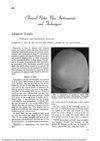
March 1963 in “Archives of dermatology”
22 citations
,
March 1963 in “Archives of dermatology” A woman regrew her hair significantly using a corticosteroid cream with a plastic cover.
 73 citations
,
March 2014 in “Journal of The American Academy of Dermatology”
73 citations
,
March 2014 in “Journal of The American Academy of Dermatology” Most dermatologic medications are safe during pregnancy and breastfeeding, but some should be avoided due to potential risks.
January 2024 in “Editora In Vivo eBooks” Dermatophytosis is a fungal skin infection affecting animals and humans, common in cooler seasons.
 November 2023 in “Circulation”
 Minoxidil can cause a rare but serious condition that leads to fluid buildup around the heart and drug-induced lupus.
October 2022 in “Our Dermatology Online” The Trust tonic is more effective than minoxidil for treating hair loss.
24 citations
,
July 2021 in “Pharmaceutics” Ruxolitinib cream effectively targets and treats inflammatory skin diseases.
Isotretinoin reduced inflammation in tufted hair folliculitis, but hair tufting remained.
 4 citations
,
December 2016 in “Journal of Pakistan Association of Dermatology”
4 citations
,
December 2016 in “Journal of Pakistan Association of Dermatology” Using isotretinoin gel and minoxidil solution together effectively regrows hair in most people with patchy hair loss.
2 citations
,
February 2024 in “Indian Dermatology Online Journal” Tofacitinib effectively improved hair regrowth and skin condition in a woman with alopecia totalis and lichen planus hypertrophicus.
Stopping minoxidil and draining fluid around the heart can save lives in rare cases.
9 citations
,
December 1958 in “Journal of Investigative Dermatology” 1 citations
,
July 2016 in “PubMed” Once-daily 5% minoxidil foam and twice-daily 2% minoxidil solution are similarly effective and safe for female pattern hair loss.
 38 citations
,
September 2006 in “Journal of Dermatological Science”
38 citations
,
September 2006 in “Journal of Dermatological Science” Ketoconazole lotion can improve hair regrowth for some people with androgenetic alopecia.
 June 2026 in “Revista Ibero-Americana de Humanidades, Ciências e Educação”
 5% topical Minoxidil is the best treatment for female hair loss, improving hair density and thickness.
A hair growth ointment improved hair length in a family with a genetic hair growth condition.

Both 5% minoxidil solution and milky lotion effectively and safely treat male hair loss, with the lotion being a good alternative for those sensitive to certain ingredients.
 11 citations
,
October 2016 in “Pediatric dermatology”
11 citations
,
October 2016 in “Pediatric dermatology” Stopping the use of fluocinolone oil containing balsam fragrance improved hair regrowth in children allergic to it.
3 citations
,
July 2024 in “Archives of Dermatological Research” Oral ritlecitinib and baricitinib are promising treatments for severe alopecia areata due to their balance of effectiveness and safety.
The HG3 hair gel is the most effective for treating seborrheic dermatitis.
 20 citations
,
March 2019 in “Journal of The European Academy of Dermatology and Venereology”
20 citations
,
March 2019 in “Journal of The European Academy of Dermatology and Venereology” Minoxidil effectively and safely treats patchy hair loss, but more research needed.
 191 citations
,
February 2002 in “Archives of Dermatology”
191 citations
,
February 2002 in “Archives of Dermatology” Some herbal therapies may help with skin conditions, but more research is needed to confirm their safety and effectiveness.
3 citations
,
March 2012 in “Arab Journal of Urology” Certain drugs can reduce bladder muscle contractions, potentially helping treat bladder diseases.
January 1983 in “Archives of Dermatology” Penicillium might rarely cause scalp infection in children.
January 2007 in “Journal of the American Academy of Dermatology” Tinea can cause scarring alopecia in children, and fungal culture is crucial for diagnosis.