49 citations
,
July 2007 in “Ophthalmic Plastic and Reconstructive Surgery” Surgical excision is an effective treatment for persistent nodules from poly-L-lactic acid injections.
 9 citations
,
December 2002 in “Novartis Foundation Symposium”
9 citations
,
December 2002 in “Novartis Foundation Symposium” LEF1 is essential for the development of airway glands and is regulated by the Wnt/ß-catenin pathway.
 123 citations
,
September 1987 in “JAMA”
123 citations
,
September 1987 in “JAMA” IL-2 treatment causes skin eruptions and other reversible side effects, and may play a role in psoriasis.
 June 2024 in “Skin Research and Technology”
 hsa-miR-193a-5p may help diagnose and treat alopecia areata.
September 2025 in “Science Advances” PADI4 enzyme slows down cell growth in developing hair follicles.
10 citations
,
April 2004 in “Journal of the American Academy of Dermatology” Localized hair growth and fat loss may share a common cause in lupus panniculitis.
 1 citations
,
February 2022 in “Experimental Dermatology”
1 citations
,
February 2022 in “Experimental Dermatology” Certain proteins are found at higher levels in balding areas compared to non-balding areas, suggesting a link to hair loss. This could be useful for diagnosing and treating hair loss.
3 citations
,
March 2024 in “Journal of the American Academy of Dermatology” Low-dose naltrexone helps improve symptoms and stabilize frontal fibrosing alopecia and lichen planopilaris.
May 2024 in “International journal of medicine and psychology.” Monoclonal antibodies LT-1, LT-2, and LT-7 help diagnose certain blood cancers.
 February 2013 in “Journal of the American Academy of Dermatology”
 A woman's hair loss looked like a different condition due to her hairstyle, and treatment stopped further hair loss but didn't regrow hair.
 March 2026 in “Dermatology Reports”
 FFA has higher long-term remission rates than LPP.
79 citations
,
January 2002 in “Nucleic Acids Research” BMP-2 activates the Dlx3 gene in mouse skin cells, important for hair and skin development.
 January 2026 in “Stem Cell Research & Therapy”
 ASLNC168501 can help treat hair loss by restoring hair follicle stem cell function.
May 2024 in “JAAD Case Reports” A young man was diagnosed with a rare hair loss condition usually seen in older women.
6 citations
,
August 2022 in “International journal of molecular sciences” α-Phellandrene may help prevent hair loss by increasing growth factors and cell growth in hair cells through a specific signaling pathway.
July 2026 in “Research Square” 
LGF injections may improve early Peyronie's disease by reducing penile curvature and plaque size.
July 2025 in “Journal of Investigative Dermatology” Laser treatment boosts hair growth by activating a key growth factor.
 February 2025 in “Lasers in Medical Science”
 Laser therapy shows promise for hair loss but lacks strong evidence due to limited studies.
3 citations
,
December 2024 in “Pediatric Dermatology” Lichen planopilaris can cause patchy hair loss in children and may respond to certain treatments.
 July 2018 in “Elsevier eBooks”
 Lichen Planopilaris is a hair loss condition best treated early with various medications, including hydroxychloroquine, to prevent permanent baldness.
January 2015 in “Seoul National University Open Repository (Seoul National University)” Polyunsaturated fatty acids, especially arachidonic acid and eicosapentaenoic acid, can promote hair growth.

Scalp psoriasis inflammation is mainly caused by bacteria-related triggers.
58 citations
,
January 2015 in “Journal of the American Academy of Dermatology” Pioglitazone may help treat lichen planopilaris, but more research is needed.
July 2025 in “Journal of Investigative Dermatology” Nelfb is essential for dermal fat development and survival.
23 citations
,
January 2024 in “Journal of Investigative Dermatology” Corticosteroids can reduce scarring in acne keloidalis by targeting specific cells.
56 citations
,
July 2004 in “Mechanisms of Development” Pax9 is crucial for proper tongue surface development and preventing skin-like changes.
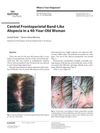 January 2018 in “Skin appendage disorders”
 A woman's hair loss was correctly diagnosed as Lichen planopilaris after initial misdiagnosis, highlighting the usefulness of trichoscopy in diagnosing hair disorders.
37 citations
,
January 1986 in “Carcinogenesis” ODC expression in mouse skin and tumors is varied and can be inhibited by retinoic acid or cycloheximide.
108 citations
,
July 2009 in “Experimental Dermatology” Leptin may improve skin regeneration and hair growth, and help reverse skin aging.