 December 2023 in “Journal of General Procedural Dermatology and Venereology Indonesia”
 A 61-year-old Filipino man had a skin condition that looked like another disease, making diagnosis difficult.
 October 2021 in “The Egyptian Journal of Hospital Medicine”
 Platelet-rich plasma is a safe and effective treatment for oral lichen planus.
 3 citations
,
May 2022 in “Clinical and experimental dermatology”
3 citations
,
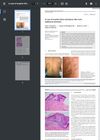
May 2022 in “Clinical and experimental dermatology” Drugs targeting EMT molecules show promise for treating lichen planopilaris.
 1 citations
,
December 2022 in “Pediatric dermatology”
1 citations
,
December 2022 in “Pediatric dermatology” A boy developed a rare skin condition after recovering from a severe skin reaction, and it improved with lotion treatment.
 July 1998 in “Proceedings of SPIE”
 Low-power laser therapy is an effective, side-effect-free treatment that speeds up hair regrowth and crural ulcer healing.
 February 2024 in “Australasian journal of dermatology”
 Janus kinase inhibitors may help treat lichen planopilaris.
4 citations
,
November 2019 in “Dermatology - Open Journal” Lichen planus pigmentosus is hard to treat and may be more common in North Africa than previously thought.
 October 2025 in “Italian Journal of Dermatology and Venereology”
 Lichen planopilaris is rare, mostly affects older women, and is often linked to autoimmune diseases like lupus.
1 citations
,
February 2025 in “International Journal of Dermatology” Abrocitinib may effectively treat Lichen Planopilaris.
 16 citations
,
January 2017 in “Anais brasileiros de dermatologia/Anais Brasileiros de Dermatologia”
16 citations
,
January 2017 in “Anais brasileiros de dermatologia/Anais Brasileiros de Dermatologia” Managing frontal fibrosing alopecia and lichen planus pigmentosus is challenging due to resistant hair loss and skin discoloration.
 May 2025 in “International Medical Case Reports Journal”
 Lichen planus pigmentosus may indicate undetected hepatitis C infection.
January 2026 in “Clinical Case Reports” Early diagnosis and treatment of Lichen Planopilaris are crucial to prevent permanent hair loss.
April 2025 in “Health Science Reports” PRP treatment improved skin pigmentation and appearance in facial lichen planus pigmentosus.
 July 2018 in “Elsevier eBooks”
 Lichen Planopilaris is a hair loss condition best treated early with various medications, including hydroxychloroquine, to prevent permanent baldness.
1 citations
,
December 2024 in “Archives of Iranian Medicine” Tofacitinib may help treat Lichen Planopilaris, but more research is needed.
 September 2022 in “The American Journal of Dermatopathology”
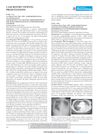
 Blocking IL-17 might help treat the hair loss condition Lichen planopilaris.
 May 2025 in “The Journal of Rheumatology”
 Proactive physical therapy improved mobility, reduced fatigue, and pain in lupus patients.
4 citations
,
January 2014 in “JOURNAL OF CLINICAL AND DIAGNOSTIC RESEARCH” Oral minipulse therapy effectively treated bullous lichen planus in a 35-year-old woman.
 19 citations
,
April 2018 in “International Journal of Dermatology”
19 citations
,
April 2018 in “International Journal of Dermatology” People with Lichen Planopilaris are more likely to have autoimmune diseases, especially Systemic Lupus Erythematosus, and less likely to have diabetes and some other common conditions.
 13 citations
,
August 2020 in “Mayo Clinic proceedings”
13 citations
,
August 2020 in “Mayo Clinic proceedings” Women with lichen planopilaris often have thyroid disease, depression, anxiety, and may respond to treatment with slowed disease progression.
January 2013 in “Refubium (Universitätsbibliothek der Freien Universität Berlin)” Lichen planopilaris is more common in older women and may be linked to hormone therapy and autoimmune diseases.
24 citations
,
September 2020 in “Pharmaceutics” Lidocaine-loaded microparticles effectively relieve pain and fight bacteria in wounds.
71 citations
,
October 2017 in “Journal of Investigative Dermatology” PPAR-γ agonists like pioglitazone may help manage lichen planopilaris but don't fully reverse scarring.
 June 2024 in “International Journal of Dermatology”
 Upadacitinib may effectively treat resistant lichen planopilaris.
44 citations
,
February 2017 in “Journal of the American Academy of Dermatology” Lichen planopilaris (LPP) is linked to androgen excess, while frontal fibrosing alopecia (FFA) is linked to androgen deficiency.
September 2023 in “Journal of the American Academy of Dermatology” Recognizing IPPP is crucial to prevent misdiagnosis and unnecessary treatments.
 May 2015 in “Journal of The American Academy of Dermatology”
 Mycophenolate mofetil may improve symptoms and stop hair loss in Lichen planopilaris, but more research is needed.
November 2020 in “Acta Medica Bulgarica/Acta medica Bulgarica” The document concludes that treatment improved skin lesions but not scalp hair loss in two patients with Graham-Little-Piccardi-Lassueur syndrome.
20 citations
,
January 2015 in “Biochimica and biophysica acta. Molecular and cell biology of lipids” Lysophosphatidic acid affects sensory neurons and may cause neuropathic pain and itch.