5 citations
,
February 2014 in “PloS one” Eyelid cells share signaling components but differ in pathway activity.
3 citations
,
September 2025 in “Cosmetics” Extracellular vesicles could revolutionize skincare by improving skin repair and anti-aging, but face regulatory and cost challenges.
2 citations
,
November 2025 in “International Journal of Molecular Sciences” Balancing good and harmful microbes is key to healing chronic wounds.
2 citations
,
June 2025 in “MedComm – Biomaterials and Applications” Plant-based antioxidants can help heal diabetic wounds by reducing stress, infections, and inflammation.
2 citations
,
February 2024 in “Medicine” A mutation in the IL2RA gene increases the risk of alopecia areata.
1 citations
,
November 2011 in “British journal of pharmacology” Enzymes are classified into six types and are essential for many biological processes, with only a few targeted by drugs.
 April 2026 in “Biomedicines”
 Wound healing is not fully understood, requiring more research and collaboration to improve treatments.
 February 2026 in “Frontiers in Microbiology”
 Skin bacteria help heal wounds and restore healthy skin.
October 2025 in “Burns & Trauma” Engineered probiotics can help heal wounds faster, especially in diabetic foot ulcers.

Maintaining enough zinc may help prevent and manage hair loss.
March 2017 in “Zenodo (CERN European Organization for Nuclear Research)” L. plantarum MTCC 1325 may help improve memory and cognitive functions in Alzheimer's.
March 2017 in “Current dermatology reports” Topical JAK inhibitors can effectively treat alopecia areata and vitiligo by modulating immune responses.
December 2025 in “Bioengineering” Sebum is essential for skin health but can cause acne if unbalanced.
 January 2025 in “Cellular & Molecular Biology Letters”
 Eicosanoids are crucial for skin health, and targeting their pathways may help treat skin conditions.
November 2024 in “Clinical Nutrition Open Science” High doses of resveratrol improve bone cell health and differentiation.
February 2024 in “International journal of molecular sciences” Type 3 Innate Lymphoid Cells help maintain skin health and balance, and are involved in skin diseases and healing.
October 2021 in “Case Reports in Veterinary Medicine” The dog died from myxedema coma linked to severe atherosclerosis and thyroid issues.
December 2022 in “JEADV Clinical Practice” Hair density and thickness decrease in specific scalp areas in people with androgenetic alopecia.
1 citations
,
September 2023 in “Journal of the American Academy of Dermatology” Continued ritlecitinib treatment can lead to hair regrowth in some patients with alopecia areata who initially don't respond.
 3 citations
,
October 2017 in “Journal of Cosmetic Dermatology”
3 citations
,
October 2017 in “Journal of Cosmetic Dermatology” Dr. Muhammad Ahmad created a hair classification system to help improve hair restoration surgery outcomes.
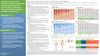 March 2026 in “SKIN The Journal of Cutaneous Medicine”
 All parts of the CLASI-A score are important for assessing skin activity in cutaneous lupus erythematosus.
 6 citations
,
December 2017 in “Journal of Cosmetic and Laser Therapy”
6 citations
,
December 2017 in “Journal of Cosmetic and Laser Therapy” Low-level laser therapy can improve hair density in people with androgenic alopecia, but more research is needed to find out who it works best for.
2 citations
,
December 2013 in “Journal of dermatology” A specific gene mutation causes a rare hair loss condition in a Chinese patient.
1 citations
,
April 2022 in “Clinical Cosmetic and Investigational Dermatology” Topical treatment improved rare scalp lichen amyloidosis.
Not having the gene PLAAT3 leads to fat loss, high insulin resistance, and abnormal fat levels in the blood due to a disruption in fat cell development and function.
 1 citations
,
October 2023 in “Skin research and technology”
1 citations
,
October 2023 in “Skin research and technology” LC-OCT is an effective new method for diagnosing classic lichen planopilaris.
July 2025 in “Carolina Digital Repository (University of North Carolina at Chapel Hill)” Low-level laser therapy is the most supported non-drug treatment for hair loss, but combining it with other methods may be promising.
 December 2023 in “Journal of Ayub Medical College Abbottabad”
 Ritlecitinib effectively treats alopecia areata in patients 12 and older with fewer side effects.
44 citations
,
May 2023 in “MedComm” PROTAC technology shows promise for cancer treatment but needs more effective E3 ligase recruiters.
May 2025 in “CPT Pharmacometrics & Systems Pharmacology” A 50 mg non-loading dose of ritlecitinib is safe for adults and adolescents.