 July 2026 in “International Journal of Clinical & Experimental Dermatology”
 The serum improves hair growth and scalp health.
 May 2026 in “Zenodo (CERN European Organization for Nuclear Research)”
 Androgenetic alopecia is common hair loss caused by genetics and hormones, with treatments mainly slowing it down.
 May 2026 in “Drug Delivery and Translational Research”
 Nanocarriers with spironolactone and 2-deoxy-D-ribose may improve hair loss treatment by targeting hair follicles directly.
 May 2026 in “Zenodo (CERN European Organization for Nuclear Research)”
 Androgenetic alopecia is common hair loss caused by genetics and hormones, with treatments to slow it but no cure.
 April 2026 in “Dermatology and Therapy”
 The device improved hair growth and thickness in men without side effects.
 June 2025 in “Australian Prescriber”
 Hair loss in men and women can be treated with medications and therapies, showing improvement after 6 months.
 March 2025 in “International Journal of Trichology”
 FAPD in children may not depend on androgens and should be treated with anti-inflammatory measures and minoxidil.
Combining regenerative therapy with light treatment can effectively promote hair growth.

Drinking sweetened tea and soda and poor sleep may increase the risk of hair loss in women.
January 2024 in “Updates in clinical dermatology” JAK inhibitors, PRP, and exosomes show promise for hair regrowth in Alopecia Areata.
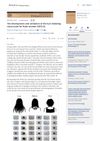 October 2023 in “The Journal of Dermatology”
 The HSVS-A is an effective tool for quickly screening hair shedding in Asian women.
 January 2023 in “Annals of Dermatology”
 Men with a family history of hair loss on their mother's side are more likely to have female pattern hair loss.

The FUE hair transplant technique provides a natural and satisfying solution for male pattern baldness.
 January 2021 in “Springer eBooks”
 The document reviews the latest and most effective hair restoration techniques for male and female hair loss.
Hair loss is caused by hormonal changes that shorten hair growth phases and shrink hair follicles.
 February 2011 in “Vestnik dermatologii i venerologii”
 Women of child-bearing age with androgenic alopecia lose hair density, especially in certain areas, and their hair becomes thinner. They also lose more than twice as much hair as healthy women.
January 2007 in “Revista del Centro Dermatológico Pascua” Androgenetic alopecia causes hair thinning in women, affecting their quality of life.
January 2026 in “Clinical Dermatology Review” Platelet-rich plasma therapy improves hair growth and health in androgenetic alopecia better than some FDA-approved treatments.
January 2022 in “Springer eBooks” April 2020 in “International journal of reproduction, contraception, obstetrics and gynecology” A postmenopausal woman with hair loss and hirsutism improved after surgery to remove an ovarian tumor.
October 2019 in “Journal of Face Aesthetics” Trichoscopy helps diagnose female hair loss easily.
23 citations
,
January 2016 in “International Journal of Trichology” Women with female pattern hair loss have lower Vitamin D3 levels.
6 citations
,
September 2019 in “Indian Journal of Dermatology”  1 citations
,
July 2024 in “Skin Research and Technology”
1 citations
,
July 2024 in “Skin Research and Technology” Patients with androgenetic alopecia have thinner subcutaneous fat layers in their frontal scalp compared to healthy individuals.
January 2026 in “Dermatologic Therapy” 0.5% minoxidil mesotherapy is more effective and safe for hair growth in women with androgenetic alopecia than topical 2% minoxidil.
November 2025 in “Journal of Cosmetic Dermatology” Exosome therapy can safely and effectively restore color to gray hair.
 February 2025 in “Cureus”
 New methods reliably assess hair regrowth and scalp health in hair loss patients.
 August 2024 in “Journal of Cosmetic Dermatology”
 Injectable treatments can effectively and safely improve hair growth in adults with androgenetic alopecia.
 June 2024 in “The Open dermatology journal”
 The herbal extract is as effective and safe as 3% minoxidil for treating hair loss.