 139 citations
,
December 2020 in “Cell Stem Cell”
139 citations
,
December 2020 in “Cell Stem Cell” Male hormones affect COVID-19 severity and certain drugs targeting these hormones could help reduce the risk.
8 citations
,
September 2023 in “International Journal of Nanomedicine” A new lab-grown lung model helps study adenoviruses and test antiviral drugs.
70 citations
,
April 2020 in “Journal of Molecular Cell Biology” Organoid technology helps create mini-organs for studying diseases and testing drugs.
 36 citations
,
August 2021 in “Nature Cell Biology”
36 citations
,
August 2021 in “Nature Cell Biology” Organoids can help study COVID-19 and develop treatments, but face challenges like instability and limited renewal.
2 citations
,
October 2023 in “bioRxiv (Cold Spring Harbor Laboratory)” RANKL helps regenerate lung cells, potentially aiding lung repair in diseases like COPD.
47 citations
,
June 2013 in “Biology of blood and marrow transplantation” Mice with human fetal thymic tissue and stem cells developed symptoms similar to chronic graft-versus-host disease.
 31 citations
,
January 2021 in “Experimental Dermatology”
31 citations
,
January 2021 in “Experimental Dermatology” Skin organoids are a promising new model for studying human skin development and testing treatments.
 June 2026 in “Nano Research”
 3D bioprinted skin using liver cell exosomes helps heal wounds better.
 December 2025 in “Nature Communications”
 Skin organoids can model tuberculosis infection and help test treatments.
 January 2024 in “Wiadomości Lekarskie”
 Early lung cancer screening in Ontario reduces deaths and is cost-effective.
 June 2026 in “Frontiers in Bioengineering and Biotechnology”
 Hair follicle systems are being engineered to better mimic natural hair follicles for studying hair disorders and testing treatments.
 11 citations
,
June 2005 in “Stem Cells and Development”
11 citations
,
June 2005 in “Stem Cells and Development” Intestinal stem cells can help repair skin damage from radiation.
 4 citations
,
September 2024 in “Oncology Research Featuring Preclinical and Clinical Cancer Therapeutics”
4 citations
,
September 2024 in “Oncology Research Featuring Preclinical and Clinical Cancer Therapeutics” 3D models and organoids improve liposarcoma research and therapy development.
 223 citations
,
October 2020 in “Microsystems & Nanoengineering”
223 citations
,
October 2020 in “Microsystems & Nanoengineering” Microtechnology methods improve organoid production for medical research.
 1 citations
,
January 2022 in “PLoS Pathogens”
1 citations
,
January 2022 in “PLoS Pathogens” A new method using human lung cells helps find drugs to block and reduce inflammation from SARS-CoV-2.
 76 citations
,
July 2019 in “Cellular and Molecular Life Sciences”
76 citations
,
July 2019 in “Cellular and Molecular Life Sciences” Stem cells are crucial for tissue growth, cancer treatment, and disease modeling, but challenges remain in clinical use.
 2 citations
,
October 2020 in “Journal of Pharmacology and Experimental Therapeutics”
2 citations
,
October 2020 in “Journal of Pharmacology and Experimental Therapeutics” Minoxidil does not work to inhibit lysyl hydroxylases in newborn mouse lungs.
 50 citations
,
July 2021 in “Nature Communications”
50 citations
,
July 2021 in “Nature Communications” The drug enzalutamide may reduce the ability of the virus causing COVID-19 to enter lung cells.
17 citations
,
May 2025 in “MedComm” Organoid technology is improving personalized medicine by better predicting drug responses and treatments.
 129 citations
,
May 2015 in “Cell Stem Cell”
129 citations
,
May 2015 in “Cell Stem Cell” Different types of stem cells exist within individual skin layers, and they can adapt to damage, transplantation, or tumor growth. These cells are regulated by their environment and genetic factors. Tumor growth is driven by expanding, genetically altered cells, not long-lived mutant stem cells. There's evidence of cancer stem cells in skin tumors. Other cells, bacteria, and genetic factors help maintain balance and contribute to disease progression. A method for growing mini organs from single cells has been developed.
 April 2026 in “Signal Transduction and Targeted Therapy”
 Balancing testosterone may reduce COVID-19 severity.
20 citations
,
November 2021 in “Frontiers in cell and developmental biology” Skin organoids from stem cells could better mimic real skin but face challenges.
 March 2025 in “Nature Communications”
 NSC167409 can effectively inhibit the virus causing hand, foot, and mouth disease.
25 citations
,
February 2024 in “Biomaterials” Stem cell-derived organoids can improve skin healing.
February 2026 in “American Journal Of Pathology” Skin organoids can mimic human skin responses to injury and inflammation, making them useful for studying skin diseases and testing treatments.
 December 2024 in “Medical Review”
 Organoids help study and treat genetic diseases, offering personalized medicine and therapy testing.
 November 2024 in “Burns & Trauma”
 Skin organoids help improve wound healing and tissue repair.
 October 2023 in “bioRxiv (Cold Spring Harbor Laboratory)”
 Immune cells are essential for early hair and skin development and healing.
 August 2023 in “Military Medical Research”
 Scientists have improved 3D models of human skin for research and medical uses, but still face challenges in perfectly replicating real skin.
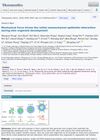 January 2023 in “Theranostics”
 Mechanical force is important for the first contact between skin cells and hair growth in mini-organs.