 68 citations
,
May 2011 in “European Journal of Dermatology”
68 citations
,
May 2011 in “European Journal of Dermatology” Acne is caused by genetics, diet, hormones, and bacteria, with treatments not yet curative.
 12 citations
,
March 2004 in “International Journal of Dermatology”
12 citations
,
March 2004 in “International Journal of Dermatology” A woman with X-linked chronic granulomatous disease developed lupus-like skin lesions, improved with treatment, suggesting a unique skin condition in carriers.
 8 citations
,
September 2011 in “European Journal of Dermatology”
8 citations
,
September 2011 in “European Journal of Dermatology” Most treatments for Frontal Fibrosing Alopecia are ineffective, but early anti-inflammatory therapy may help and the condition may stabilize over time.
 2 citations
,
December 2017 in “Skin appendage disorders”
2 citations
,
December 2017 in “Skin appendage disorders” An elderly man's non-healing scalp lesion was successfully treated with a strong topical steroid.
 1 citations
,
June 2014 in “International Journal of Dermatology”
1 citations
,
June 2014 in “International Journal of Dermatology” Pregnancy can trigger follicular mucinosis, which may resolve after delivery.
 April 2026 in “Ankara Eğitim ve Araştırma Hastanesi Tıp Dergisi”
 Severe acne patients have higher inflammatory markers than healthy people.
 April 2025 in “Medical Journal of Babylon”
 Copeptin and cortisol levels are higher in alopecia areata patients, suggesting they could help diagnose and manage the condition.
 June 2024 in “Archives of Medical Science”
 Telitacicept effectively improved hair regrowth in a woman with lupus and alopecia.
 126 citations
,
April 2006 in “International Journal of Dermatology”
126 citations
,
April 2006 in “International Journal of Dermatology” The conclusion is that FFA and LPP have similar scalp biopsy features, making them hard to distinguish histologically, and FFA may be a specific kind of scarring hair loss.
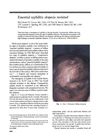 53 citations
,
May 1995 in “Journal of The American Academy of Dermatology”
53 citations
,
May 1995 in “Journal of The American Academy of Dermatology” Syphilis can cause hair loss that looks like other conditions, but it improves with treatment.
 37 citations
,
November 2003 in “Veterinary pathology”
37 citations
,
November 2003 in “Veterinary pathology” Hair loss in mice starts with immune cells damaging hair roots before it becomes visible.
13 citations
,
December 2016 in “Egyptian Journal of Basic and Applied Sciences” Alopecia areata patients have lower vitamin D levels than healthy individuals.
 11 citations
,
April 2016 in “The American Journal of Dermatopathology”
11 citations
,
April 2016 in “The American Journal of Dermatopathology” Special and immunohistochemical stains are not routinely needed for diagnosing hair disorders.
 5 citations
,
April 2019 in “Journal of The American Academy of Dermatology”
5 citations
,
April 2019 in “Journal of The American Academy of Dermatology” Frontal Fibrosing Alopecia may be a complex condition linked to hormonal changes in women, not just a form of Lichen Planopilaris.
 2 citations
,
July 2022 in “Dermatology Reports”
2 citations
,
July 2022 in “Dermatology Reports” EPDS and MS might share an immune-related cause.
 1 citations
,
January 2018 in “Journal of Steroids & Hormonal Science”
1 citations
,
January 2018 in “Journal of Steroids & Hormonal Science” Oral vitamin D treatment can help some children with alopecia areata who have vitamin D deficiency.
 July 2024 in “International Journal of Dermatology Venereology and Leprosy Sciences”
 Minoxidil can help regrow hair in people with alopecia areata.
 April 2021 in “HIV & AIDS Review”
 Glycyrrhizinic acid spray showed limited effectiveness in treating anogenital warts in HIV patients with low CD4 levels.
January 2019 in “International Journal of Immunology Research” CCL 27 levels are similar in people with and without alopecia areata.
 November 2013 in “John Wiley & Sons, Ltd eBooks”
 The document concludes that accurate diagnosis of male and female gonadal disorders is crucial for effective treatment and better patient outcomes.
 46 citations
,
October 2012 in “Dermatologic Clinics”
46 citations
,
October 2012 in “Dermatologic Clinics” Female pattern hair loss diagnosed by scalp appearance, treated with combined therapies and targeted approaches.
 9 citations
,
January 2018 in “Journal of the European Academy of Dermatology and Venereology”
9 citations
,
January 2018 in “Journal of the European Academy of Dermatology and Venereology” A male patient developed frontal fibrosing alopecia after antiandrogen therapy for prostate cancer.
 8 citations
,
October 2018 in “Journal of The American Academy of Dermatology”
8 citations
,
October 2018 in “Journal of The American Academy of Dermatology” The review suggests there's no agreed treatment for Frontal Fibrosing Alopecia, but hydroxychloroquine and 5a-reductase inhibitors are most effective. New treatments like platelet-rich plasma and LED light could help if standard treatments fail.
 1 citations
,
March 2004 in “Journal of the American Academy of Dermatology”
1 citations
,
March 2004 in “Journal of the American Academy of Dermatology” ZD1839, a cancer drug, can cause mild skin rashes that are treatable without stopping the medication.
 December 2025 in “Cureus”
 Localized dystrophic epidermolysis bullosa (DEB) can lead to scarring alopecia, highlighting the need to recognize and address this complication.
 September 2017 in “Journal of Investigative Dermatology”
 The study found that sweat glands normally suppress immune responses, but this is disrupted in certain skin diseases, possibly contributing to their development.
 April 2012 in “Informa Healthcare eBooks”
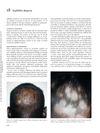
 Syphilitic alopecia is a rare hair loss condition in secondary syphilis that looks similar to another condition but can be diagnosed with specific tests and responds to antibiotics.
 September 2023 in “Bulletin of the Medical Institute of Continuing Education”
 Early and accurate treatment of Lichen Planopilaris is crucial to prevent permanent hair loss in men.
 152 citations
,
December 2007 in “Gender Medicine”
152 citations
,
December 2007 in “Gender Medicine” Male and female skin differ due to hormones, affecting conditions like hair loss, acne, and skin cancer, and suggesting a need for gender-specific treatments.
 11 citations
,
May 2021 in “Journal of Medical Virology”
11 citations
,
May 2021 in “Journal of Medical Virology” Men are more likely to have severe respiratory viral infections like COVID-19 due to hormonal and genetic differences, while women generally have stronger immune responses.