 November 2022 in “Journal of Investigative Dermatology”
 Neutrophils quickly respond to skin injury.
5 citations
,
April 2025 in “Journal of Cosmetic Dermatology” Janus kinase inhibitors are effective and safe for treating Alopecia Areata.

Inhibiting AP-1 changes skin tumor types and affects tumor cell identity.
5 citations
,
February 2025 in “Pediatric Dermatology” Ritlecitinib was generally well tolerated in children with alopecia areata.
 January 2026 in “International Journal of Innovative Technologies in Social Science”
 JAK inhibitors show promise for treating alopecia areata, but more research is needed.
 8 citations
,
April 2011 in “Surgery today”
8 citations
,
April 2011 in “Surgery today” A substance called sodium zinc dihydrolipoylhistidinate can significantly reduce hair loss caused by chemotherapy in rats.
July 2024 in “Journal of Investigative Dermatology” Targeting TCR-Vβ2 in cutaneous T cell lymphoma shows promise for safer, more specific treatment.
87 citations
,
September 2006 in “Clinical Cancer Research” Protein Kinase C shows promise for cancer treatment, but more research is needed to develop effective inhibitors.
 1 citations
,
October 2023 in “Clinical, cosmetic and investigational dermatology”
1 citations
,
October 2023 in “Clinical, cosmetic and investigational dermatology” Tofacitinib improved hair loss and skin symptoms in a patient after secukinumab caused hair loss.
 March 2024 in “Poster presentations”
 A woman with lupus and Kikuchi-Fujimoto disease improved with treatment.
60 citations
,
July 2014 in “Autophagy” The protein FLCN is involved in cellular cleanup and is regulated by ULK1.
19 citations
,
April 2016 in “Case Reports in Dermatology” Nilotinib can cause keratosis pilaris, a skin condition.
 January 2025 in “ARC Journal of Clinical Case Reports”
 Encapsulated retinol may effectively treat actinic keratosis without side effects.
August 2022 in “Journal of Investigative Dermatology” Baricitinib reduces inflammation and mitochondrial damage in skin cells.
September 2002 in “Oncology Times” Promising cancer treatments were found, but the manufacturer closed.
1 citations
,
March 2025 in “Skin Appendage Disorders” Baricitinib for alopecia areata may rarely cause eye issues like keratitis.
 4 citations
,
January 2001 in “Archives of Biochemistry and Biophysics”
4 citations
,
January 2001 in “Archives of Biochemistry and Biophysics” Activated ras can protect kidney cells from a certain substance that causes cell death.
 474 citations
,
January 2012 in “Chemistry & biology”
474 citations
,
January 2012 in “Chemistry & biology” Proteasome inhibitors are promising treatments for various cancers, autoimmune diseases, and other conditions.
2 citations
,
May 2024 in “Expert Opinion on Drug Safety” Infections during JAK inhibitor treatment for alopecia areata are usually manageable and rarely stop treatment permanently.
286 citations
,
August 2007 in “Journal of Clinical Investigation” Alopecia areata is an autoimmune disease where T cells attack hair follicles.
 23 citations
,
January 2012 in “International Food Research Journal”
23 citations
,
January 2012 in “International Food Research Journal” Tofacitinib effectively treated a woman's severe symptoms from a rare autoimmune condition.
 April 2026 in “Journal of Inflammation Research”
 Alopecia areata and atopic dermatitis share immune system issues, and treatments like JAK inhibitors can help both.
 May 2014 in “Clinical and Experimental Dermatology”
 A 70-year-old woman with a rare skin condition improved after treatment with topical steroids and acitretin.
 1 citations
,
May 2025 in “Natural Products and Bioprospecting”
1 citations
,
May 2025 in “Natural Products and Bioprospecting” PEVIII is a promising treatment for Pseudomonas aeruginosa keratitis.
March 2026 in “The Journal of Dermatology” Ritlecitinib is cost-effective for severe alopecia areata in Japan.
March 2007 in “Journal of Cell Science” K10 may not prevent tumors as previously thought and might increase benign tumor risk.
 2 citations
,
January 2023 in “Prague Medical Report”
2 citations
,
January 2023 in “Prague Medical Report” JAK inhibitors, like baricitinib, are effective and safe for treating alopecia areata.
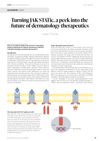 August 2024 in “New Zealand Medical Student Journal”
 JAK inhibitors show promise for treating skin diseases effectively and safely.
40 citations
,
November 2021 in “International Journal of Molecular Sciences” Mutant keratins cause inflammation in Epidermolysis Bullosa Simplex, suggesting targeting them could help treat the disorder.
3 citations
,
August 2024 in “Molecular Biology Reports” LncRNA018392 helps goat skin cells grow by increasing CSF1R.