
A woman in Sri Lanka was diagnosed with lupus after presenting with protein loss from the gut and other symptoms.
 1 citations
,
April 2019 in “JAAD case reports”
1 citations
,
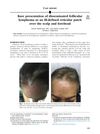
April 2019 in “JAAD case reports” A woman with lymphoma had a rare skin rash on her scalp and forehead, which was hard to diagnose but responded well to treatment.
 November 2021 in “Authorea (Authorea)”
 PRP treatments and hair transplantation may be linked to the progression of pseudolymphoma to lymphoma.
 6 citations
,
July 2015 in “European Journal of Dermatology”
6 citations
,
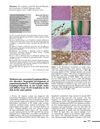
July 2015 in “European Journal of Dermatology” Stopping methotrexate might reverse lymphoma-like conditions in some patients.
July 2025 in “Journal of Investigative Dermatology” Scarring alopecia involves increased immune cells and specific gene changes near damaged hair follicles.
12 citations
,
February 2011 in “Equine veterinary education” A mare had severe symptoms and died from a large lymphoma.
 29 citations
,
February 2016 in “International Journal of Dermatology”
29 citations
,
February 2016 in “International Journal of Dermatology” People with lichen planus are more likely to have dyslipidemia, especially higher triglyceride levels.
August 2021 in “Journal of Investigative Dermatology” ILC1-like cells can cause alopecia areata by disrupting hair follicle immunity, suggesting a new treatment approach.
1 citations
,
August 1983 in “PubMed” CVP therapy showed moderate success in treating advanced non-Hodgkin's lymphoma, but more intensive treatment is needed for better outcomes.
Lichen spinulosus, usually seen in young people, can rarely occur in adults, as shown by a 52-year-old woman with a rough, bumpy rash.
1 citations
,
January 2009 in “Kidney International” The woman was diagnosed with systemic lupus erythematosus (SLE) after initial misdiagnosis and improved with proper treatment.
 January 2023 in “Indian dermatology online journal”
 Leukemia can sometimes appear as unusual skin issues in children.
January 2014 in “Journal of Jilin University” Higher levels of certain immune cells and proteins are linked to more severe lupus symptoms.
 June 2022 in “Authorea (Authorea)”
 A 59-year-old woman was diagnosed with a rare hair loss condition called lipedematous alopecia.
PNH can occur in patients with SLE, so doctors should be aware of this.
February 2024 in “Deleted Journal” The dog recovered well from skin cancer and intestinal blockage after treatment.
 19 citations
,
January 2001 in “Internal Medicine”
19 citations
,
January 2001 in “Internal Medicine” Protein-losing enteropathy worsened with lupus symptoms but improved with prednisolone.
 April 2020 in “Journal of the Endocrine Society”
 An 87-year-old man showed unusual signs of Hodgkin lymphoma, primarily high calcium levels, which improved after treatment and revealed the disease.
 1 citations
,
February 1977 in “Archives of Dermatology”
1 citations
,
February 1977 in “Archives of Dermatology” Fresh plasma transfusions did not help treat Leiner disease in an infant.
 September 1997 in “Journal of the European Academy of Dermatology and Venereology”
 People with acne have more CD4+ immune cells in their skin than healthy people.
 January 2021 in “American journal of dermatological research and reviews”
 The muscle damage was caused by T-cell large granular lymphocytic leukemia, not dermatomyositis.
 3 citations
,
January 2024 in “Signal transduction and targeted therapy”
3 citations
,
January 2024 in “Signal transduction and targeted therapy” Lymphatic vessels are essential for health and can be targeted to treat various diseases.
1 citations
,
January 2023 in “Indian Dermatology Online Journal” Skin and nail changes are common in patients with blood cancers undergoing chemotherapy, affecting their quality of life.
11 citations
,
February 1990 in “PubMed” Zinc may help treat alopecia areata by boosting certain immune cells.
26 citations
,
April 2007 in “Journal of clinical oncology” 32 citations
,
July 2001 in “Journal of the American Academy of Dermatology” SLHA can be hard to diagnose and needs teamwork between specialists.
November 2023 in “Journal of Investigative Dermatology” Highly active but fewer CD14+CD16- monocytes are found in Alopecia Areata patients, regardless of severity.
5 citations
,
August 2003 in “AIDS” A new form of lipodystrophy in HIV patients causes neck fat buildup.
 4 citations
,
January 1987 in “Journal of The American Academy of Dermatology”
4 citations
,
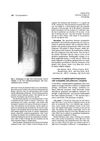
January 1987 in “Journal of The American Academy of Dermatology” A man with both skin lesions and lung cancer improved quickly with chemotherapy, suggesting the skin condition might be a reaction to immune system injury.

Innate lymphoid cells type 1 may contribute to alopecia areata by damaging hair follicles.