12 citations
,
July 2017 in “International Journal of Cosmetic Science” N‐AOHPA is a promising alternative to traditional surfactants for better hair conditioning.
26 citations
,
May 2016 in “Journal of biological chemistry/The Journal of biological chemistry” sPLA2-IIE is crucial for normal hair follicle structure and skin health.
August 2024 in “International Journal of Pharmaceutics” The treatment promotes hair growth, improves hair density, and reduces skin irritation.
 2 citations
,
September 1980 in “Experientia”
2 citations
,
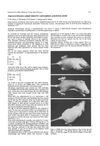
September 1980 in “Experientia” Polyethylene alanine caused hair loss in young lab animals but not in adults, with hair regrowth occurring within 20 days.
16 citations
,
March 2023 in “Gels” Paeonol-loaded gels may help reduce inflammation and skin damage in atopic dermatitis.
24 citations
,
July 2015 in “Molecular Medicine Reports” Lysophosphatidic acid boosts stem cell growth and movement by creating reactive oxygen species.
 2 citations
,
January 2008 in “Journal of Society of Cosmetic Chemists of Japan”
2 citations
,
January 2008 in “Journal of Society of Cosmetic Chemists of Japan” PMS nanoparticles improve damaged hair by protecting and restoring its surface and color.
31 citations
,
February 1972 in “Experientia” The diphosphonate was the most effective at preventing calcification in rats.
 24 citations
,
November 2018 in “International Journal of Molecular Sciences”
24 citations
,
November 2018 in “International Journal of Molecular Sciences” Ethosomes improve drug delivery through the skin but may have side effects like irritation.
61 citations
,
September 2011 in “Pain” PEA reduces pain by increasing neurosteroid synthesis in the spinal cord.
 13 citations
,
February 2019 in “Journal of Microencapsulation”
13 citations
,
February 2019 in “Journal of Microencapsulation” The pumpkin seed oil niosomes are promising for skin and hair treatments because they are stable and effectively deliver the oil.
19 citations
,
May 2010 in “Surface and interface analysis” 18-MEA is essential for hair's water resistance, and a conditioner with 18-MEA and SPDA can restore it.
 1 citations
,
January 2023 in “Journal of pharmaceutical and biological sciences”
1 citations
,
January 2023 in “Journal of pharmaceutical and biological sciences” Ethosomes are a promising way to deliver drugs through the skin.
65 citations
,
April 2007 in “Chemistry and Physics of Lipids” Steroid hormones change the size, charge, and stability of DPPC liposomes.
24 citations
,
December 2018 in “Inflammation and Regeneration” Phospholipase A2 enzymes play key roles in skin health and disease.
 January 2011 in “Journal of Society of Cosmetic Chemists of Japan”
 18-MEA and SPDA can restore damaged hair's smoothness and reduce frizz.
 1 citations
,
July 2022 in “Pakistan biomedical journal”
1 citations
,
July 2022 in “Pakistan biomedical journal” Transethosomes improve drug delivery through the skin by overcoming the outer skin layer's barrier.
65 citations
,
October 2015 in “Acta Biomaterialia” The nano-carrier makes etoposide safer and more effective against lung cancer.
September 2025 in “International Journal of Pharmaceutics and Drug Analysis” Ethosomes improve drug delivery through the skin but face stability challenges.
15 citations
,
April 2023 in “Biology” Plant and algal lipid droplets are promising for natural oil production but need better extraction methods.
 7 citations
,
May 2016 in “European Polymer Journal”
7 citations
,
May 2016 in “European Polymer Journal” The new nanocarriers improve how well water-insoluble drugs dissolve and allow for controlled drug release.
December 2012 in “Shodhganga” 110 citations
,
January 2014 in “Journal of Controlled Release” Phospholipid-coated nanoparticles penetrate hair follicles better than others, especially in pig ears.
37 citations
,
November 2024 in “Cosmetics” Ethosomes enhance skin penetration better than liposomes, benefiting therapeutic and cosmetic applications.
25 citations
,
May 2019 in “Cosmetics” 18-MEA and cationic surfactants can restore and maintain hair's hydrophobic nature, improving its beauty and feel.
11 citations
,
February 2011 in “International Journal of Molecular Sciences” Different sPLA2 enzymes have unique roles in phospholipid metabolism and biological processes.
 15 citations
,
May 2016 in “Die Pharmazie”
15 citations
,
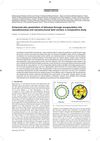
May 2016 in “Die Pharmazie” Nanostructured lipid carriers deliver lidocaine to the skin better than nanoethosomes.
 1 citations
,
May 2014 in “Lipid Technology”
1 citations
,
May 2014 in “Lipid Technology” New cleaning surfactants, biofuel production plans, dairy expansions, improved lipid testing methods, and various product launches and developments were reported in lipid technology.
April 2016 in “International Journal of Drug Delivery” The ethosomal formulation improved finasteride delivery through the skin.
 July 2023 in “Journal of Cosmetic Dermatology”
 Ethosomes could improve how well skin treatments work, but more research is needed on their safety and stability.