 1066 citations
,
March 2010 in “Nature Reviews Molecular Cell Biology”
1066 citations
,
March 2010 in “Nature Reviews Molecular Cell Biology” MicroRNAs are crucial in controlling cell signaling, affecting cancer and tissue regeneration.
 141 citations
,
August 2018 in “Nature Reviews Microbiology”
141 citations
,
August 2018 in “Nature Reviews Microbiology” Some viruses can cause cancer by changing cell processes and avoiding the immune system; vaccines and targeted treatments help reduce these cancers.
 65 citations
,
February 2009 in “The journal of investigative dermatology/Journal of investigative dermatology”
65 citations
,
February 2009 in “The journal of investigative dermatology/Journal of investigative dermatology” Anti-acne medications may work by reducing the activity of a protein involved in acne development.
 April 2026 in “Journal of Cancer”
 Cepharanthine shows promise as a natural anticancer treatment.
 September 2024 in “Oncology Advances”
 Medicinal plants have potential as alternative cancer treatments due to their ability to target and kill cancer cells.
6 citations
,
September 2024 in “Plant Cell & Environment” Chitosan affects root hair growth and callose deposition based on its concentration.
138 citations
,
June 2004 in “Journal of Investigative Dermatology” Involucrin gene expression is controlled by specific proteins and signaling pathways.
June 2025 in “Preprints.org” EDA is vital for bone and cartilage formation and could help treat skeletal disorders.
 1 citations
,
March 2023 in “Science Translational Medicine”
1 citations
,
March 2023 in “Science Translational Medicine” Blocking a certain signal in the gp130 receptor can improve tissue healing and lessen osteoarthritis symptoms.
 489 citations
,
November 2021 in “Signal Transduction and Targeted Therapy”
489 citations
,
November 2021 in “Signal Transduction and Targeted Therapy” The JAK/STAT pathway is important in cell processes and disease, and JAK inhibitors are promising for treating related conditions.
45 citations
,
November 2024 in “International Journal of Molecular Sciences” Functional foods and nutrients like flavonoids, vitamin D, omega-3s, and probiotics can boost brain health and reduce stress.
Polygonum multiflorum, especially emodin, may help treat hair loss by targeting specific proteins, offering a new approach beyond traditional therapies.
 May 2025 in “Experimental Dermatology”
 Triphenylphosphine oxide can increase oil production and reduce inflammation in skin cells without affecting TRPM5.
37 citations
,
August 2024 in “Current Issues in Molecular Biology” Keratins 6, 16, and 17 increase in damaged or diseased skin and may help diagnose skin issues.
23 citations
,
May 2023 in “Cell Proliferation” TGF-β and FGF pathways are crucial for skin development and regeneration.
 15 citations
,
April 2017 in “Hormones”
15 citations
,
April 2017 in “Hormones” Genetic defects in the glucocorticoid receptor gene can cause conditions with abnormal sensitivity to stress hormones, and other factors may also affect this sensitivity.
7 citations
,
March 2022 in “International Journal of Molecular Sciences” FGF21 can help reduce skin inflammation caused by C. acnes.
1 citations
,
April 2025 in “BMC Veterinary Research” PSAT1 is key for hair growth and stem cell function in cashmere goats.
March 2026 in “Pharmaceutical Biology” Asiaticoside can improve wound healing after ESD by promoting tissue repair and reducing inflammation.
September 2025 in “Current Oncology” LncRNAs may help improve brain cancer treatment and diagnosis.
November 2025 in “PLoS ONE” Nucleic acids trigger chemokine production in skin cells, affecting skin inflammation.
3 citations
,
October 2018 in “Journal of Mind and Medical Sciences” Biological therapy boosts the immune system to effectively fight melanoma.
 15 citations
,
February 2009 in “Cell Stem Cell”
15 citations
,
February 2009 in “Cell Stem Cell” The document concludes that certain chemicals can help maintain stem cell pluripotency and that understanding cell states is crucial for tissue regeneration.
 13 citations
,
January 2020 in “Scientific Reports”
13 citations
,
January 2020 in “Scientific Reports” The African spiny mouse heals skin without scarring due to different protein activity compared to the common house mouse, which heals with scarring.
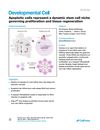 25 citations
,
June 2021 in “Developmental Cell”
25 citations
,
June 2021 in “Developmental Cell” Dying cells can help with faster healing and new hair growth by releasing a growth-promoting molecule.
 2 citations
,
April 2023 in “South East European Journal of Immunology”
2 citations
,
April 2023 in “South East European Journal of Immunology” High leptin levels may promote skin cancer and inflammation, suggesting potential for leptin-targeted therapies.
 March 2026 in “Calcified Tissue International”
 The EDA pathway plays a key role in bone development by interacting with other signaling pathways.
 October 2005 in “Nature reviews. Molecular cell biology (Print)”
 Hairless protein is key for hair growth, cell differences cause gene expression variation, and the N-end rule pathway senses nitric oxide for protein breakdown.
 71 citations
,
January 2015 in “The Scientific World Journal”
71 citations
,
January 2015 in “The Scientific World Journal” Insulin resistance may contribute to various skin diseases and treating it could improve skin health and prevent more serious conditions.
 68 citations
,
May 2011 in “European Journal of Dermatology”
68 citations
,
May 2011 in “European Journal of Dermatology” Acne is caused by genetics, diet, hormones, and bacteria, with treatments not yet curative.