Search
for
Sort by
Research
270-300 / 1000+ results 
research Transcriptomic insights into the effects of tyrosine on sub-Columbian plumage in H line chickens
A 1.0% tyrosine diet increases melanin in chicken feathers.
research Transcriptome and proteome combined analysis of wool fiber diameter regulation mechanism
Key genes and pathways affect wool fiber thickness, improving wool quality.

research Risk of autoimmune diseases in patients with RASopathies: systematic study of humoral and cellular immunity
Patients with RASopathies have a higher risk of autoimmune disorders and should be routinely screened.

research 944 Non-coding double stranded RNA induces retinoic acid synthesis and retinoid signaling to control regeneration
Non-coding RNA boosts retinoic acid production and signaling, aiding regeneration.

research Cellular Plasticity in Cutaneous Wound Healing
Cells can change to help heal wounds better.

research 1415 Induction of human hair growth using vascularized 3D hair follicle constructs
Researchers created a 3D-printed skin model that grew human hair when grafted onto mice by improving blood supply to the grafts.
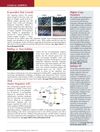
research Clinical Snippets
New treatments for hair growth and psoriasis may be possible, and gene differences could affect baldness and the severity of skin conditions.
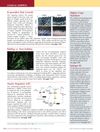
research Clinical Snippets
R-spondin2 may help treat hair loss, gene differences could explain baldness, a peptide's regulation is linked to psoriasis, B-defensin gene copies may affect a skin condition's risk and severity, and potential markers and targets for alopecia areata were identified.

research 489 Seborrhea-like dermatitis phenotype in the Mpzl3 knockout mice
MPZL3 is crucial for seborrheic dermatitis development.
research Subject Index
The document lists various dermatology topics, treatments, and diagnostic methods.
research 266 Myristoylphorbol Acetate (MPA) Enhances Metastasis Via Up-regulation of Eph A2 Transcription Activity
MPA increases cancer spread by boosting Eph A2 activity.

research The variable cell
Hairless protein is key for hair growth, cell differences cause gene expression variation, and the N-end rule pathway senses nitric oxide for protein breakdown.

research 607 Cutaneous overexpression of cyclooxygenase-2 models androgenetic alopecia in adult mice
Cyclooxygenase-2 overexpression in mice skin causes hair loss like human androgenetic alopecia.
research The Mixed Lineage Kinase Leucine-Zipper Protein Kinase Exhibits a Differentiation-Associated Localization in Normal Human Skin and Induces Keratinocyte Differentiation upon Overexpression
ZPK helps skin cells mature and may affect skin health.
research Transgenic mice overexpressing protein kinase C epsilon in their epidermis exhibit reduced papilloma burden but enhanced carcinoma formation after tumor promotion.
Overexpressing PKCepsilon in mice reduces papillomas but increases carcinomas.
research Functional identification of the phosphorylation sites of Arabidopsis PIN-FORMED3 for its subcellular localization and biological role
Phosphorylation of certain parts of the PIN3 protein is crucial for its role in plant root growth and response to gravity.
research Abstract 5219: The role of MEK and Antizyme in keratinocyte stem cell expansion and differentiation
Antizyme reduces tumor growth and normalizes skin cell development affected by MEK.
research Pyruvate Kinase M2 Role in Cardiovascular Repair
PKM2 is a promising target for heart repair and regeneration.

research Evidence-Based and Potential Benefits of Metformin in the Polycystic Ovary Syndrome: A Comprehensive Review
Metformin helps with menstrual cycles and insulin levels in PCOS but is less effective for hair growth, diabetes prevention, and weight loss, and may improve fertility and reduce diabetes risk.

research Self-organization process in newborn skin organoid formation inspires strategy to restore hair regeneration of adult cells
Newborn mouse skin cells can grow hair and this process can be recreated in adult cells to potentially help with hair loss.
research Stimulation of the Follicular Bulge LGR5+ and LGR6+ Stem Cells with the Gut-Derived Human Alpha Defensin 5 Results in Decreased Bacterial Presence, Enhanced Wound Healing, and Hair Growth from Tissues Devoid of Adnexal Structures
Human alpha defensin 5 helps heal wounds, reduce bacteria, and grow hair on burned skin.

research LPA3, a unique G protein-coupled receptor for lysophosphatidic acid
LPA3 is crucial for embryo implantation and links LPA to prostaglandin signaling.

research Skin transcriptome profiling of Changthangi goats highlights the relevance of genes involved in Pashmina production
Changthangi goats have specific genes that help produce Pashmina wool.

research Elevated fasting insulin is associated with cardiovascular and metabolic risk in women with polycystic ovary syndrome
High fasting insulin levels in women with PCOS are linked to a higher risk of heart and metabolic problems.

research Defining microRNA signatures of hair follicular stem and progenitor cells in healthy and androgenic alopecia patients
Found microRNA differences in hair cells, suggesting potential treatment targets for hair loss.
research Identification of microRNAs involved in growth arrest and cell death in hydrogen peroxide-treated human dermal papilla cells
Targeting specific miRNAs may help treat hair follicle issues caused by hydrogen peroxide.

research Impact of taxol on dermal papilla cells — A proteomics and bioinformatics analysis
Taxol damages hair growth cells, causing hair loss.

research Combinatorial expression of cell cycle regulators is more suitable for immortalization than oncogenic methods in dermal papilla cells
Using a combination of specific cell cycle regulators is better for safely keeping hair root cells alive indefinitely compared to cancer-related methods.

research PINK1 deficiency rewires early immune responses in a mouse model of Parkinson’s disease triggered by intestinal infection
PINK1 is important for controlling gut immune responses linked to early Parkinson's disease.