January 2017 in “OPAL (Open@LaTrobe) (La Trobe University)” Collagen peptides may boost skin and hair-related gene expression.
Collagen peptides may boost skin and hair-related gene expression.
Giant axonal neuropathy changes the structure of keratin in human hair, making it stiffer and stronger.
August 2016 in “The journal of investigative dermatology/Journal of investigative dermatology” Different types of skin cells create unique support structures that can affect skin cell growth and could help in skin repair.
 May 2015 in “Journal of Investigative Dermatology”
 Wnt-3a helps grow more skin stem cells, which could lead to new hair loss treatments.
December 2014 in “Belarusian State Pedagogical University repository (Belarusian State Pedagogical University)” ECM components regulate β-Catenin activity, affecting wound healing.
Activin B helps start and grow hair follicles in mice.
January 2012 in “Zhongguo shengwuzhipinxue zazhi” The material improved facial wrinkles and skin appearance.
 November 2011 in “Advanced Materials Research”
 Adding 1% hair fibers to brake materials improves friction and wear, making them more effective.
Hair material is a promising, safe, and effective soft tissue filler.
January 2006 in “Benzina: Revista d'excepcions culturals” Trienones are more effective at inhibiting the enzyme linked to hair loss than dienones.
January 2002 in “HAL (Le Centre pour la Communication Scientifique Directe)” Melatonin affects fur growth timing in chinchillas.
 August 1994 in “Journal of dermatological science”
 Different substances affect hair and skin cell growth in various ways.
 October 1988 in “Pediatric research”
 Certain maturity signs appear before and after the first release of sperm in boys.
 January 2020 in “Skinmed”
 Zinc levels are not significantly different in people with hair loss conditions like Androgenetic Alopecia and Alopecia Areata.
 June 2019 in “Brain Imaging and Behavior”
 Hair loss can indicate brain aging and potential small vessel disease, but more research is needed to understand the clinical impact.
The number of CAG repeats in the androgen receptor gene doesn't significantly affect female pattern hair loss in the Han Chinese population.
 182 citations
,
June 2017 in “Biomaterials”
182 citations
,
June 2017 in “Biomaterials” Special fiber materials boost the healing properties of certain stem cells.
 130 citations
,
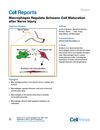
September 2018 in “Cell Reports”
130 citations
,
September 2018 in “Cell Reports” Macrophages help heal nerves by aiding the maturation of Schwann cells and are important for nerve repair.
113 citations
,
July 2020 in “International Journal of Molecular Sciences” Allogenic ASCs and ECM transplants are safe and effective for tissue regeneration.
98 citations
,
February 2010 in “Dermatology Online Journal” Vitamin D may help treat hair disorders.
89 citations
,
January 2021 in “Molecules” Biopolymeric composites need advanced properties for better use in medicine and healing.
79 citations
,
August 1998 in “The Journal of Cell Biology” Keratin 16 delays skin maturation and affects skin and hair development in mice.
65 citations
,
August 2013 in “Acta Biomaterialia” The new matrix improves skin regeneration and graft performance.
61 citations
,
January 2013 in “International Journal of Biological Macromolecules” Combining DHT and EDC improves the strength and stability of PADM scaffolds for tissue engineering.
31 citations
,
November 2015 in “PloS one” Reducing Tyrosinase prevents mature color pigment cells from forming in mouse hair.
 30 citations
,
April 2017 in “European Journal of Cell Biology”
30 citations
,
April 2017 in “European Journal of Cell Biology” CIP/KIP proteins help stop cell division and support hair growth.
30 citations
,
January 2009 in “The scientific world journal/TheScientificWorldjournal” Hair is hard to dissolve because of its complex proteins, but certain solvents that break specific bonds and hydrate can do it.
30 citations
,
July 1998 in “British Journal of Dermatology” Fat cells slow hair cell growth but speed up their development.
30 citations
,
June 1993 in “The Journal of Cell Biology” The oncoprotein causes abnormal hair growth without increasing skin cancer risk.