 5 citations
,
March 2011 in “Journal of pediatric health care”
5 citations
,
March 2011 in “Journal of pediatric health care” The girl with autoimmune hair loss might regrow hair within a year, and treatments can help but not prevent recurrence; dermatologist referral and corticosteroids are recommended.
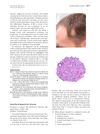
The man has Temporal Triangular Alopecia, a stable, non-scarring hair loss condition best treated with hair transplantation.
 August 2025 in “American Journal of Clinical Dermatology”
 Clinicians should use evidence-based tools and consider mental health when assessing alopecia areata to guide treatment.
June 2025 in “British Journal of Dermatology” Segmented hair color changes can indicate active alopecia areata.
July 2025 in “Foundation University Journal of Dentistry” Alopecia areata patients often have autoimmune disorders, especially thyroid issues.
 January 2024 in “Clinical and Experimental Dermatology”
 Baricitinib helps treat severe hair loss in people over 65.
49 citations
,
October 2023 in “Journal of Dermatological Science” January 2026 in “Zenodo (CERN European Organization for Nuclear Research)” Herbal remedies may help manage alopecia areata hair loss.
 2 citations
,
February 2023 in “Journal of the American Academy of Dermatology”
2 citations
,
February 2023 in “Journal of the American Academy of Dermatology” People with autism are more likely to develop alopecia areata than those without autism.
Alopecia areata involves immune system changes, especially in severe cases, with potential new treatment targets identified.
24 citations
,
January 1985 in “Dermatology” Higher levels of certain immune cells in hair follicles may contribute to alopecia areata.
Understanding both skin and mental health aspects of alopecia areata is crucial for better patient care.
 July 2022 in “Singapore Medical Journal”
 Most children with alopecia areata improved with treatment, but those with more hair loss had worse outcomes.
 June 2024 in “JEADV Clinical Practice”
 Severe alopecia areata patients have a low chance of spontaneous hair regrowth.
 5 citations
,
January 2018 in “Acta Dermatovenerologica Alpina Pannonica et Adriatica”
5 citations
,
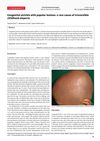
January 2018 in “Acta Dermatovenerologica Alpina Pannonica et Adriatica” Congenital atrichia with papular lesions causes permanent hair loss in children.
 July 2025 in “Berkala Ilmu Kesehatan Kulit dan Kelamin”
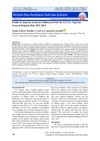
 Alopecia areata in children shows varied symptoms and may involve nails, needing further evaluation for other health issues.
56 citations
,
March 2017 in “Journal of the American Academy of Dermatology” Alopecia areata patients often have eczema, thyroid issues, vitamin-D deficiency, and anemia.

Alopecia areata is an autoimmune disease affecting hair follicles and may harm heart health.
January 2011 in “Repository KITopen (Karlsruhe Institute of Technology)” Blocking certain proteins on immune cells may help treat alopecia areata.

Scalp tinea versicolor can mimic alopecia areata but is treatable with antifungal medication.
25 citations
,
October 1975 in “Journal of Cutaneous Pathology” Hair growth in alopecia areata is hindered due to impaired cell activity in the surrounding tissue.
 July 2025 in “International Journal of Pharmaceutical Sciences Review and Research”
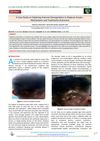
 Individualized treatment and psychological support improved the patient's quality of life and appearance despite medication side effects.
 3 citations
,
May 2010 in “Nursing Standard”
3 citations
,
May 2010 in “Nursing Standard” Treatments for autoimmune hair loss have limited success and often relapse, and emotional support is crucial for those affected.
 29 citations
,
June 2013 in “Journal of the Saudi Society of Dermatology & Dermatologic Surgery”
29 citations
,
June 2013 in “Journal of the Saudi Society of Dermatology & Dermatologic Surgery” Alopecia areata is an autoimmune hair loss condition treated with corticosteroids, and histologic confirmation is the best diagnosis method.
11 citations
,
July 2019 in “Pediatric dermatology” Children with alopecia areata have different trichoscopic features than adults, including more empty follicular openings and pigtail hairs.
 April 1969 in “Postgraduate medicine”
 Use corticosteroid cream and triamcinolone injections for treating alopecia areata, and consider wigs and tranquilizers for support.
December 2023 in “International Journal of Dermatology” Accurate diagnosis of alopecia areata incognito requires trichoscopy and histopathology.
June 2026 in “kerbala journal of pharmaceutical sciences” Alopecia areata involves immune issues, inflammation, and nutrient deficiencies.
69 citations
,
July 2002 in “Clinical and Experimental Dermatology” Alopecia areata is influenced by genetics and immune system factors, and better understanding could improve treatments.
 80 citations
,
October 1983 in “BMJ”
80 citations
,
October 1983 in “BMJ” Minoxidil helps hair regrowth in alopecia patients, with 16 having good results and no side effects.