35 citations
,
November 2022 in “The Journal of Dermatology” Alopecia areata is becoming more common in Japan, with a need for better treatments, especially for severe and pediatric cases.
Psychological factors significantly impact alopecia areata.
5 citations
,
October 2019 in “JAAD Case Reports” These hair loss conditions might be part of a spectrum, not separate issues.
 January 2025 in “Journal of Personalized Medicine”
 People with Alopecia Areata are more likely to have prediabetes and obesity.
April 2012 in “Journal of evolution of medical and dental sciences” No effective treatment exists to stimulate hair growth in atrichia with papular lesions.
 1 citations
,
May 2017 in “Journal of The American Academy of Dermatology”
1 citations
,
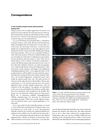
May 2017 in “Journal of The American Academy of Dermatology” A woman's hair grew back after stopping acitretin for psoriasis and getting steroid treatment, and low vitamin D might be linked to alopecia severity.
 11 citations
,
July 2008 in “International Journal of Dermatology”
11 citations
,
July 2008 in “International Journal of Dermatology” Greying hairs may be protected from alopecia areata.
 33 citations
,
December 2005 in “Archives of dermatology”
33 citations
,
December 2005 in “Archives of dermatology” Alefacept showed some effectiveness for alopecia areata but needs more research.
5 citations
,
July 2020 in “Recent patents on inflammation & allergy drug discovery” Childhood Alopecia Areata causes hair loss and requires varied treatments, with psychological support being crucial.
 1 citations
,
May 2023 in “Indian Journal of Dermatology Venereology and Leprology”
1 citations
,
May 2023 in “Indian Journal of Dermatology Venereology and Leprology” Alopecia areata may lead to hearing loss.
5 citations
,
August 1981 in “Archives of Dermatology” Alopecia areata may be caused by the immune system attacking hair follicles.
Minoxidil and finasteride are the only FDA-approved treatments for hair loss caused by genetic and hormonal factors, but their effectiveness is often doubted, indicating a need for new treatments.
 January 2024 in “Applied Mathematics and Nonlinear Sciences”
 The model helps understand alopecia areata and suggests better treatment strategies.
May 2026 in “Current Opinion in Pharmacology” 67 citations
,
July 2011 in “Clinical, cosmetic and investigational dermatology” The document suggests a personalized treatment plan for alopecia areata based on the patient's age and hair loss severity, using a range of therapies ranked by effectiveness and safety.
April 2023 in “The Medical Journal of Australia” A five-year-old girl has a harmless, unchanging bald patch on her scalp.
8 citations
,
August 2016 in “Journal of Cutaneous Pathology” Scalp biopsies are crucial for diagnosing hair loss causes in cutaneous lymphoma patients.
 16 citations
,
May 2017 in “American Journal of Clinical Dermatology”
16 citations
,
May 2017 in “American Journal of Clinical Dermatology” The document concludes that more research is needed to understand and treat Beard Alopecia Areata due to limited current knowledge and evidence.
June 2025 in “British Journal of Dermatology” A rare dual diagnosis of alopecia areata and lichen planopilaris requires thorough evaluation for effective treatment.
1 citations
,
January 2017 in “대한피부과학회지” Male pattern hair loss is diagnosed and treated earlier and is milder, possibly due to early puberty.
A man's scalp hair loss was due to a combined melanocytic nevus and alopecia areata, suggesting a possible link between the two conditions.
2 citations
,
January 2025 in “Allergy” Having asthma, atopic dermatitis, or Hashimoto's thyroiditis increases the risk of severe and long-lasting alopecia areata.
January 2024 in “Journal of Biosciences and Medicines” More research is needed to understand genetic causes and create better treatments for alopecia areata.
December 2023 in “JAAD Case Reports” Intralesional corticosteroids effectively treat localized alopecia areata, often sparing white hairs.
 April 2026 in “Boletín Médico Del Hospital Infantil de México (English Edition)”
 Most kids with alopecia areata have other health issues, often allergies or skin conditions.

Alopecia areata and androgenic alopecia can be confused, but careful examination helps tell them apart.
June 2025 in “American Journal of Dermatopathology” Granulomatous Alopecia Areata is rare and may be caused by hair antigens or follicle destruction.
September 2020 in “Annals of Punjab Medical College” Alopecia areata in children is more common in boys, mainly affects the scalp, and is linked to genetics and psoriasis.
39 citations
,
February 2005 in “Anais Brasileiros de Dermatologia” Alopecia areata is an autoimmune disease with genetic roots, and treatments include specific topical therapies.