 16 citations
,
April 2022 in “PLoS ONE”
16 citations
,
April 2022 in “PLoS ONE” Certain microRNAs found in normal cells can effectively suppress various cancers.
 1066 citations
,
March 2010 in “Nature Reviews Molecular Cell Biology”
1066 citations
,
March 2010 in “Nature Reviews Molecular Cell Biology” MicroRNAs are crucial in controlling cell signaling, affecting cancer and tissue regeneration.
 50 citations
,
April 2014 in “Nature Communications”
50 citations
,
April 2014 in “Nature Communications” The research identified new skin traits in mice, some linked to human skin conditions.
32 citations
,
July 2003 in “Histochemistry and Cell Biology” Glypican-1 is important for hair follicle blood vessel growth and could be a target for treating hair loss.
315 citations
,
June 2001 in “Nature Genetics” 
The human scalp has different types of pigment cells in hair follicles with varying abilities to produce pigment.
75 citations
,
March 1998 in “Journal of Investigative Dermatology” The transgene likely activated an oncogene or interrupted a tumor suppressor gene, causing melanoma in mice.
11 citations
,
January 1956 in “Journal of Investigative Dermatology”  May 2026 in “Nature Communications”
 H3K9me3 is crucial for proper skin development and structure.
September 2023 in “UCrea (University of Cantabria)” Nails are essential for fingertip regeneration.
5 citations
,
February 2008 in “Histopathology”  September 2016 in “Journal of Dermatological Science”
 Both SMS1 and SMS2 are crucial for normal hair growth and cycle in mice.
 6 citations
,
December 2021 in “Scientific Reports”
6 citations
,
December 2021 in “Scientific Reports” Inhibiting class I HDACs helps maintain hair growth ability in skin cells.
November 2025 in “Journal of Investigative Dermatology” N,N-Dimethylglycine sodium salt may improve skin health and treat hair loss.
5 citations
,
April 2024 in “Journal of Ovarian Research” miR-21 helps improve ovarian function recovery in treated mice.
2 citations
,
September 2017 in “Journal of Investigative Dermatology” Notch1 signaling is impaired in hidradenitis suppurativa, affecting skin and hair cells.
16 citations
,
August 2021 in “Tumor Biology” TMPRSS2 helps viruses enter cells and protects the prostate from inflammation-related cancer.
13 citations
,
January 2001 in “Skin pharmacology and physiology” Micro-Imager® helps see how drugs spread in human skin.
2 citations
,
March 2025 in “Cancer Gene Therapy” Targeting Sirt1 can reduce androgen levels and slow glioblastoma growth.
118 citations
,
January 1992 in “Experientia” 17 citations
,
May 2023 in “Pharmaceutics” Microneedles can precisely deliver cancer treatments with fewer side effects.
 December 2023 in “American journal of medical genetics. Part A”
 A new syndrome was linked to two new genetic changes in the MBTPS1 gene in a 14-year-old girl.
 January 2023 in “Theranostics”
 Mechanical force is important for the first contact between skin cells and hair growth in mini-organs.
 February 2011 in “Expert Review of Dermatology”
 Researchers found potential new targets for treating melanoma and nonmelanoma skin cancers, and identified a possible cause and treatment for male pattern baldness and eczema.
58 citations
,
July 2005 in “Molecular and Cellular Biology” A specific gene segment can make mouse skin cells glow, helping study hair growth and gene effects.
May 2026 in “Cell Reports Medicine” FR-1 reduces skin scarring and promotes healing without harmful effects.
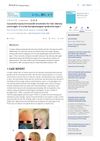 January 2024 in “Pediatric Dermatology”
 Minoxidil improved hair growth in a child with a rare genetic disorder.
21 citations
,
March 2015 in “Neurological Sciences” A new genetic mutation linked to CARASIL syndrome and small artery disease was found in a Chinese family.