 15 citations
,
January 2019 in “International Journal of Women's Dermatology”
15 citations
,
January 2019 in “International Journal of Women's Dermatology” Early treatment helps stop hair loss in women of color.
 4 citations
,
January 2016 in “PubMed”
4 citations
,
January 2016 in “PubMed” The best way to treat androgenetic alopecia, a common type of hair loss, is through early intervention and a comprehensive approach, but some supplements may reduce the effectiveness of medical treatments.
 July 2023 in “International journal of dermatology, venereology and leprosy sciences”
 New treatments are being explored to slow or reverse hereditary hair loss.
 January 2025 in “Bright Sky Publications eBooks”
 Aesthetic medicine is rapidly advancing with new technologies for safer, personalized, and less invasive treatments.
71 citations
,
December 2013 in “The journal of investigative dermatology. Symposium proceedings/The Journal of investigative dermatology symposium proceedings” There are no FDA-approved treatments for Alopecia Areata, and current options have varying success and relapse rates.
 December 2024 in “Research Journal of Topical and Cosmetic Sciences”
 Natural treatments for alopecia are gaining interest due to fewer side effects.
 June 2024 in “IP Indian journal of clinical and experimental dermatology”
 Hair loss has many causes and treatments, but future research aims for better solutions.
 6 citations
,
August 2016 in “Journal of women & aging”
6 citations
,
August 2016 in “Journal of women & aging” Older women reported negative physical and psychological effects from Botox and facial fillers, feeling neglected by the medical system.
1 citations
,
January 2015 in “Hair transplant forum international” Strict regulations may slow down new LLLT treatments.
 7 citations
,
April 2011 in “Expert review of dermatology”
7 citations
,
April 2011 in “Expert review of dermatology” The document concludes that patients with skin of color need specialized dermatological care and education to manage unique skin conditions effectively.
 1 citations
,
October 2023 in “Journal of Education Health and Sport”
1 citations
,
October 2023 in “Journal of Education Health and Sport” Acne affects mental health and requires comprehensive treatment.
June 2025 in “British Journal of Dermatology” Better diagnostic and treatment strategies are needed for acne keloidalis nuchae, especially in high-risk groups.
 4 citations
,
December 2022 in “Frontiers in Bioengineering and Biotechnology”
4 citations
,
December 2022 in “Frontiers in Bioengineering and Biotechnology” Exosomes show promise for improving wound healing, reducing aging signs, preventing hair loss, and lightening skin but require more research and better production methods.
 3 citations
,
January 2019 in “International Journal of Trichology”
3 citations
,
January 2019 in “International Journal of Trichology” The article concludes that treating hair loss requires careful research, understanding the causes, and personalized treatment plans.
 1 citations
,
December 1997 in “PubMed”
1 citations
,
December 1997 in “PubMed” Hair loss in men and women can cause stress, but new treatments are being developed due to better understanding of its causes.

Women's hair treatments in ancient Mesopotamia involved amulets, while men's treatments used topical applications.
17 citations
,
December 2022 in “Biosensors” Triboelectric nanogenerators can power wearable medical devices for long-term self-treatment and monitoring.
June 2026 in “Preprints.org” Alopecia areata care in Poland needs better guidelines, access to treatments, and psychological support.
 86 citations
,
May 2013 in “American journal of obstetrics and gynecology”
86 citations
,
May 2013 in “American journal of obstetrics and gynecology” Gynecologists should provide comprehensive care for transgender patients, including mental health evaluation, hormone therapy, and surgical options, while monitoring for side effects and ensuring patient safety.
 41 citations
,
January 2009 in “International Journal of Trichology”
41 citations
,
January 2009 in “International Journal of Trichology” 58% of men aged 30-50 have hair loss, with severity increasing with age.
 37 citations
,
April 2019 in “Journal of The American Academy of Dermatology”
37 citations
,
April 2019 in “Journal of The American Academy of Dermatology” Some treatments like intralesional steroids and 5α-reductase inhibitors are effective for frontal fibrosing alopecia, but more research is needed.
 24 citations
,
November 2007 in “Journal of Investigative Dermatology Symposium Proceedings”
24 citations
,
November 2007 in “Journal of Investigative Dermatology Symposium Proceedings” Hair and scalp disorders significantly affect self-esteem, and using cosmetic products like conditioners and styling aids can improve hair health and appearance.
 12 citations
,
February 2007 in “Facial Plastic Surgery”
12 citations
,
February 2007 in “Facial Plastic Surgery” Hair transplantation techniques have improved over 12 years, with follicular unit grafting providing more natural results and potential future advances in automation and genetics.
 10 citations
,
November 2021 in “Revista médica de Chile”
10 citations
,
November 2021 in “Revista médica de Chile” The guideline helps diagnose and treat hidradenitis suppurativa early to improve patient outcomes.
3 citations
,
July 2001 in “PubMed” Finasteride helps manage male hair loss, but realistic expectations and support are crucial.
June 2025 in “Canadian dermatology today.” Alopecia areata deeply affects self-esteem and identity, needing both medical and emotional support.
 August 2018 in “Journal of Korean Academy of Fundamentals of Nursing”
 Supporting people with alopecia through psychological help and accurate information is crucial for managing stress and coping.
 January 2018 in “Georg Thieme Verlag eBooks”
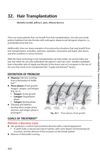
 Hair transplantation is a surgical procedure to move hair to bald areas, requires good donor hair, and results show in about a year.
 December 2011 in “Journal of The American Academy of Dermatology”
 The book is a detailed and useful guide for doctors learning about hair transplantation.
May 2017 in “Hair transplant forum international” Medical treatments can help manage frontal fibrosing alopecia, but hair transplantation should be done cautiously and only if the disease is inactive.