 August 1996 in “Journal of Pediatric and Adolescent Gynecology”
 The document concludes that PCOS in adolescents is complex and requires comprehensive care to manage its symptoms and associated health risks.
 159 citations
,
July 2006 in “Endocrine Reviews”
159 citations
,
July 2006 in “Endocrine Reviews” Estrogens significantly influence hair growth by interacting with receptors in hair follicles and may help regulate the hair growth cycle.
 2 citations
,
September 2009 in “Nurse Prescribing”
2 citations
,
September 2009 in “Nurse Prescribing” PCOS affects many women, causing various symptoms and health risks, and is managed through lifestyle changes, medication, and support groups.
 24 citations
,
March 2002 in “Expert opinion on investigational drugs”
24 citations
,
March 2002 in “Expert opinion on investigational drugs” Different anti-androgen medications can help treat excessive hair growth, but the right choice depends on accurate diagnosis.
 1 citations
,
December 2010 in “InnovAiT”
1 citations
,
December 2010 in “InnovAiT” The document concludes that accurate diagnosis and appropriate management are crucial for treating various hair disorders, which have significant psychological impacts.
 70 citations
,
January 2000 in “Hormone Research in Paediatrics”
70 citations
,
January 2000 in “Hormone Research in Paediatrics” SAHA syndrome is a condition in women involving skin and hair issues, often related to hormonal imbalances, and is treated based on the underlying cause.
7 citations
,
May 2021 in “Seizure” Some antiseizure medications can cause cosmetic problems like hair loss, excessive hair growth, acne, and gum overgrowth.
 November 2025 in “Fertility Gynecology and Andrology”
 PCOS involves hormonal and metabolic issues, increasing risks for diabetes and heart disease, and requires lifestyle changes and medication for management.
 April 2024 in “Canadian Women s Health Today”
 PCOS treatment focuses on lifestyle changes and specific medications to manage symptoms and complications.
 1 citations
,
August 2013 in “Springer eBooks”
1 citations
,
August 2013 in “Springer eBooks” Birth control pills and anti-androgen medications help manage hair growth, acne, and hair loss in women with PCOS.
 3 citations
,
March 2018 in “Pediatric Dermatology”
3 citations
,
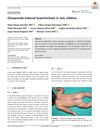
March 2018 in “Pediatric Dermatology” Two children grew extra hair from taking omeprazole, which went away after they stopped the medication.
 17 citations
,
April 1997 in “Archives of dermatology”
17 citations
,
April 1997 in “Archives of dermatology” The document describes a treatment for excessive hair growth in a teenage girl using medication and birth control, but does not report the results.
 March 1997 in “Journal of Endocrinology/Journal of endocrinology”
 Excessive hair growth in women can be treated with medications like spironolactone and finasteride, and male-pattern baldness in women can be improved with similar treatments.
 5 citations
,
June 2015 in “International Journal of Women's Dermatology”
5 citations
,
June 2015 in “International Journal of Women's Dermatology” Hirsutism, excessive hair growth in women, is often caused by PCOS and can be managed with medication and personalized treatment plans.
 2 citations
,
June 2022 in “International Journal of Biomedicine”
2 citations
,
June 2022 in “International Journal of Biomedicine” The review suggests a comprehensive approach to treat hirsutism, focusing on hair removal, medication, and managing emotional effects.
 11 citations
,
February 2008 in “British journal of nursing”
11 citations
,
February 2008 in “British journal of nursing” Idiopathic hirsutism causes excessive hair growth in women, can be treated with medication and hair removal, but cannot be fully reversed.
 6 citations
,
April 2018 in “Obstetrics, gynaecology and reproductive medicine”
6 citations
,
April 2018 in “Obstetrics, gynaecology and reproductive medicine” Most women with hirsutism have it because of PCOS, and they need long-term treatment including medication and hair removal to improve their condition.
 39 citations
,
May 2011 in “European Journal of Clinical Investigation”
39 citations
,
May 2011 in “European Journal of Clinical Investigation” Hirsutism can be caused by various conditions besides PCOS, and it's important to treat the underlying issue and manage symptoms with medication and cosmetic approaches.
 13 citations
,
January 1995 in “Postgraduate medicine”
13 citations
,
January 1995 in “Postgraduate medicine” Excessive hair growth in women can be harmless or signal serious health issues, and treatment often includes medication and hair removal, with noticeable results after 3-6 months.
 3 citations
,
July 2011 in “Expert Review of Dermatology”
3 citations
,
July 2011 in “Expert Review of Dermatology” Effective treatments for excessive hair growth in women include creams, laser therapy, and medications, with the choice depending on individual needs and potential side effects.
 July 2024 in “Skin Appendage Disorders”
 Certain medications, including some immune drugs, contraceptives, and hair loss treatments, are often linked to hair loss.
502 citations
,
February 2008 in “The Journal of Clinical Endocrinology & Metabolism” Treat significant hirsutism with medication and hair removal; use birth control pills first, adding antiandrogens if needed.
20 citations
,
September 2015 in “Pediatric Annals” PCOS in teen girls should be managed with lifestyle changes and sometimes medication to improve symptoms and health.
 7 citations
,
January 1992 in “Adolescent and pediatric gynecology”
7 citations
,
January 1992 in “Adolescent and pediatric gynecology” Early diagnosis and treatment of PCOS in teenagers can help prevent more severe adult PCOS.
 1 citations
,
October 2024 in “Pharmacy & Pharmacology International Journal”
1 citations
,
October 2024 in “Pharmacy & Pharmacology International Journal” PCOS is managed with medication, lifestyle changes, and a healthy diet.
PCOS management involves medication, lifestyle changes, and personalized treatment to address symptoms and improve health.
 August 1994 in “Drugs & Therapy Perspectives”
 Psoriasis treatments range from topical creams to systemic medications with serious side effects, and while treatments can manage symptoms, there is no cure.
 99 citations
,
October 2006 in “BMC clinical pharmacology”
99 citations
,
October 2006 in “BMC clinical pharmacology” Finasteride may cause slight depression and anxiety.
 14 citations
,
October 2019 in “International Journal of Women's Health”
14 citations
,
October 2019 in “International Journal of Women's Health” Menopausal acne is treated with medications and lifestyle changes, but careful choice is needed due to side effects.
5 citations
,
October 2017 in “JOGC/Journal of obstetrics and gynaecology Canada” The conclusion is that proper diagnosis and long-term treatment, including medication, hair removal, and lifestyle changes, are important for improving hirsutism, especially in PCOS patients.