 1 citations
,
May 2026 in “Signal Transduction and Targeted Therapy”
1 citations
,
May 2026 in “Signal Transduction and Targeted Therapy” Stem cell therapy shows promise but needs better safety and quality standards.
 1 citations
,
January 2021
1 citations
,
January 2021 CD4+ skin cells may be precursors to basal cell carcinoma.
 May 2026 in “Frontiers in Cell and Developmental Biology”
 Collagen networks play a key role in hair loss and follicle miniaturization.

Using scalp stem cells can improve hair transplants.
 November 2023 in “Frontiers in veterinary science”
 The study provides insights into hair growth mechanisms in yaks.
 October 2023 in “bioRxiv (Cold Spring Harbor Laboratory)”
 Immune cells are essential for early hair and skin development and healing.
 March 2021 in “bioRxiv (Cold Spring Harbor Laboratory)”
 Removing a specific gene in certain skin cells causes hair loss on the body by disrupting normal hair development.
 December 2013 in “Macedonian Journal of Medical Sciences”
 Ovarian steroid cell tumors should be considered in adults with hirsutism and high testosterone, with surgery as the main treatment.
 November 2013 in “Elsevier eBooks”
 Skin and hair renewal is maintained by both fast and slow cycling stem cells, with hair regrowth primarily driven by specific stem cells in the hair follicle bulge. These cells can also help heal wounds and potentially treat hair loss.
 July 2024 in “Frontiers in Pharmacology”
 Pilose antler extracts help hair growth by activating hair follicle stem cells.
 17 citations
,
December 2013 in “PLoS ONE”
17 citations
,
December 2013 in “PLoS ONE” The postnatal thymus has cells like mesenchymal stem cells that can become different cell types and help maintain thymus structure.
 8 citations
,
August 2009 in “Pediatric transplantation”
8 citations
,
August 2009 in “Pediatric transplantation” A five-month-old boy with Omenn syndrome successfully recovered after a stem cell transplant with reduced intensity conditioning.
 January 2012 in “heiDOK (Heidelberg University)”
 Dormant melanoma cells in mice interact minimally with memory T cells due to a suppressive tumor environment.
 2 citations
,
January 2026 in “Frontiers in Endocrinology”
2 citations
,
January 2026 in “Frontiers in Endocrinology” Next-generation Treg therapies could help achieve lasting immune tolerance in type 1 diabetes.
 15 citations
,
May 2021 in “British journal of dermatology/British journal of dermatology, Supplement”
15 citations
,
May 2021 in “British journal of dermatology/British journal of dermatology, Supplement” Cell therapy shows promise for treating severe psoriasis but needs more research to confirm safety and effectiveness.
 6 citations
,
November 2020 in “Molecular and Cellular Endocrinology”
6 citations
,
November 2020 in “Molecular and Cellular Endocrinology” Androgens reduce BMP2, which weakens the ability of certain cells to help hair stem cells become different types of cells.
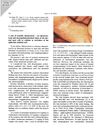 2 citations
,
November 1998 in “Journal of The European Academy of Dermatology and Venereology”
2 citations
,
November 1998 in “Journal of The European Academy of Dermatology and Venereology” Prednisone reduces organ mast cell infiltration but does not alter the abnormal appearance of mast cells in systemic mastocytosis.
 September 2025 in “International Journal of Ayurvedic Medicine”
 Hair medulla patterns vary by Prakruti type, affecting hair strength.
 January 2025 in “American Journal of Stem Cells”
 Melanocyte stem cells hold promise for skin regeneration and treating pigmentation issues.
 January 2008 in “Durham e-Theses (Durham University)”
 Hair follicle stem cells are similar to mesenchymal stem cells and can become neural-like cells under certain conditions.

Dermal stem cells help regenerate hair follicles and heal skin wounds.
 December 2009 in “Saengmyeong gwahag hoeji/Saengmyeong gwahak hoeji”
 Thymosin β4 and VEGF are important for blood vessel formation in many organs.
 30 citations
,
April 2017 in “European Journal of Cell Biology”
30 citations
,
April 2017 in “European Journal of Cell Biology” CIP/KIP proteins help stop cell division and support hair growth.
 165 citations
,
June 2007 in “European Journal of Cell Biology”
165 citations
,
June 2007 in “European Journal of Cell Biology” Hair follicle stem cells are key for hair and skin regeneration, can be reprogrammed, and have potential therapeutic uses, but also carry a risk of cancer.
 95 citations
,
January 2012 in “British Journal of Dermatology”
95 citations
,
January 2012 in “British Journal of Dermatology” Androgens block hair growth by disrupting cell signals; targeting GSK-3 may help treat hair loss.
 47 citations
,
October 2016 in “Molecular and Cellular Endocrinology”
47 citations
,
October 2016 in “Molecular and Cellular Endocrinology” Androgens prevent hair growth by changing Wnt signals in cells.
 46 citations
,
June 2015 in “Journal of Investigative Dermatology”
46 citations
,
June 2015 in “Journal of Investigative Dermatology” Androgen receptor activity blocks Wnt/β-catenin signaling, affecting hair growth and skin cell balance.
 41 citations
,
December 2018 in “Experimental Dermatology”
41 citations
,
December 2018 in “Experimental Dermatology” Understanding how melanocyte stem cells work could lead to new treatments for hair graying and skin pigmentation disorders.
 28 citations
,
August 2015 in “Journal of functional biomaterials”
28 citations
,
August 2015 in “Journal of functional biomaterials” Cell-based therapies show promise for treating Limbal Stem Cell Deficiency but need more research.
 26 citations
,
July 2016 in “PLOS ONE”
26 citations
,
July 2016 in “PLOS ONE” Activating β-catenin in certain skin cells speeds up hair growth in mice.