Search
for
Sort by
Research
450-480 / 1000+ results
research P62 Pre-clinical pharmacological and skin penetration profile of LDE255, a novel and specific Smoothened antagonist
LDE225 is a promising skin-applied treatment for basal cell carcinoma with good skin penetration and effectiveness.
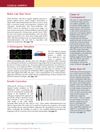
research Clinical Snippets
Some cells may slow melanoma growth, a protein could affect skin pigmentation, a gene-silencing method might treat hair defects, skin bacteria changes likely result from eczema, and a defensin protein could help treat multiple sclerosis.

research Melatonin regulates the mitogen-activated protein kinase ( MAPK ) pathway via the circMPP5-miR-211-MAPK3 axis to induce secondary hair follicle differentiation and development in newborn Cashmere goat kids
Melatonin helps improve Cashmere goat hair quality by promoting hair follicle growth through a specific cell signaling pathway.
research Receptor tyrosine kinase Kit action in skin melanocytes: is it exclusively cell autonomous?
KIT's role in skin cells is not entirely independent, as other cells can influence its function.
research Regeneration of Mouse Skin Melanocyte Stem Cells In Vivo and In Vitro
The research found ways to activate melanocyte stem cells for potential treatment of skin depigmentation conditions.

research 518 Nutrient and stress sensing as novel physiological regulator of human hair pigmentation and greying: Role of mTORC1 activity
Blocking mTORC1 activity could increase hair pigmentation and potentially reverse greying.

research 1229 Melanocyte cell states defined and visualized in developing mouse skin
Researchers found three types of melanocytes in developing mouse skin, each with different genes and locations.
research Nestin is expressed in HMB‐45 negative melanoma cells in dermal parts of nodular melanoma
Nestin helps identify certain melanoma cells in nodular melanoma.
research Coming of Age of Melanogenesis-Related Proteins
Tyrosinase and gp100 proteins can help diagnose and treat melanoma.

research Lenalidomide Augments Differentiation of Cultured Hair Follicle Derived Melanocyte Stem Cells Into Functional Melanocytes
Lenalidomide helps hair follicle stem cells turn into melanocytes, which may improve repigmentation in vitiligo.
research Topical corticosteroids induced hyper-pigmentation: a case report
Misusing topical corticosteroids can cause skin darkening and other side effects.
research Downregulation of nuclear factor-kappaB activation in human keratinocytes by melanogenesis inhibitors
Melanogenesis inhibitors like kojic acid and niacinamide can reduce inflammation and pigment production in skin cells.
research Malignant Melanoma and Its Stromal Nonimmune Microecosystem
The surrounding tissue plays a crucial role in the growth and spread of skin cancer.
research Differentiation of CD34+ Human Hair Follicle Stem Cells into Functional Melanocytes
CD34+ hair follicle stem cells can become melanin-producing cells for treating skin conditions.

research Therapeutic effects of topical Mycophenolate mofetil on hydroquinone-induced depigmentation in Guinea pigs and mice
Mycophenolate mofetil may safely help restore skin color in depigmentation conditions.

research 085 Autoantigen screening in C3H/HeJ mouse model of alopecia areata revealed high antigenicity of melanocyte-associated antigen epitopes
Melanocyte-associated antigens may play a key role in alopecia areata and could be targets for new treatments.
research In vitro Differentiation of Melanocyte Stem Cells Derived from Vitiligo Patients into Functional Melanocytes
Melanocyte stem cells from non-affected skin in vitiligo patients can become functional melanocytes for potential therapy.
research Effect Of Topically Applied Melatonin And Their Combination With Minoxidil Solution For Enhancement Of Hair Growth In Male Mice
Melatonin and minoxidil together may improve hair growth when applied to the skin.
research Spatiotemporal Labeling of Melanocytes in Mice
The research showed how melanocytes develop, move, and respond to UV light, and their stem cells' role in hair color and skin cancer risk.
research LB1059 Neuromediators associated with neurogenic skin inflammation promote M2 differentiation of macrophages in human skin ex vivo
Certain substances can help skin cells become anti-inflammatory, aiding in tissue repair.

research Signalling by senescent melanocytes hyperactivates hair growth
Senescent melanocytes can boost hair growth by activating hair stem cells.
research Alopecia Areata and Medical Modulation of the Intrinsic Property of Melanin to Transform Light Into Chemical Energy Through the Water Dissociation
Enhancing melanin's energy generation may help treat alopecia areata.

research Targeted Skin Overexpression of the Mineralocorticoid Receptor in Mice Causes Epidermal Atrophy, Premature Skin Barrier Formation, Eye Abnormalities, and Alopecia
Overexpressing the mineralocorticoid receptor in mouse skin causes skin thinning, early skin barrier development, eye issues, and hair loss.

research mTORC1 activity negatively regulates human hair follicle growth and pigmentation
High mTORC1 activity slows hair growth and causes it to lose color.

research Tribuloside acts on the PDE/cAMP/PKA pathway to enhance melanogenesis, melanocyte dendricity and melanosome transport
Tribuloside can increase skin pigmentation by enhancing melanin production and distribution.
research Corticotropin-Releasing Factor Down-Regulates Hair Growth-Related Cytokines in Cultured Human Dermal Papilla Cells
CRF can cause hair loss, but blocking its receptors might prevent this.

research BMP4 regulates differentiation of nestin-positive stem cells into melanocytes
BMP4 helps stem cells turn into pigment-producing cells, affecting hair color and growth.
research Exogenous Melatonin Promotes Expression Differences of Skin Hair Follicles Related Genes in Cashmere Goat
research Melatonin as an Antioxidant and Immunomodulator in Atopic Dermatitis–A New Look on an Old Story–A Review
Melatonin may help with atopic dermatitis by reducing inflammation and improving sleep.