12 citations
,
September 2022 in “Frontiers in Genetics” Enhancing CD8+ T cell function to induce ferroptosis in tumor cells may help treat skin melanoma.
 3 citations
,
February 2022 in “Rheumatology”
3 citations
,
February 2022 in “Rheumatology” Baricitinib was effective in treating a patient with dermatomyositis and hair loss.
 March 2014 in “Medicina cutánea ibero-latino-americana”
 Melatonin applied to the scalp helps increase hair density in people with early hair loss.

Ocu-miR-205 affects hair density in Rex rabbits by influencing cell processes and signaling pathways.
 16 citations
,
January 2019 in “Skin appendage disorders”
16 citations
,
January 2019 in “Skin appendage disorders” Intralesional corticosteroids work best for mild alopecia areata, and DPCP works best for moderate to severe cases.
 March 2014 in “Journal of The American Academy of Dermatology”
 Cortexolone 17a-propionate may be an effective new treatment for hair loss.
59 citations
,
March 2003 in “The Lancet” Imatinib can repigment grey hair, while SU11428 can cause temporary hair depigmentation.
7 citations
,
August 2017 in “Journal of dermatological science” Sorafenib causes skin reactions by increasing the number and activity of skin mast cells.
52 citations
,
December 2014 in “Journal of Dermatological Science” Apremilast may help treat hair loss in alopecia areata.
 24 citations
,
September 2008 in “Clinical and experimental dermatology”
24 citations
,
September 2008 in “Clinical and experimental dermatology” Repigmentation in vitiligo may come from melanocyte stem cells in the skin.
 April 2017 in “Journal of Investigative Dermatology”
 Certain microRNAs may protect against hair loss in alopecia areata and could be potential treatment targets.
 2 citations
,
August 2019 in “PubMed”
2 citations
,
August 2019 in “PubMed” A specific enzyme that activates the hair growth medication minoxidil when applied to the skin was identified.
 October 2024 in “Intisari Sains Medis”
 Combining secretome with other treatments quickly improves eyebrow hair growth in alopecia areata.
99 citations
,
January 2004 in “Journal of Biological Chemistry” Methylprednisolone helps skin cells stick together better in pemphigus vulgaris.
11 citations
,
January 2015 in “Journal of cellular physiology” HR protein causes abnormal hair cycles by increasing Tgf-β2 and reducing miR-31.
24 citations
,
July 2021 in “Pharmaceutics” Ruxolitinib cream effectively targets and treats inflammatory skin diseases.
 May 2019 in “Australasian Journal of Dermatology”
 The conclusion is that managing hair loss conditions like FFA and melanoma requires individualized approaches, considering new findings and balancing treatment benefits with potential risks.
4 citations
,
December 2024 in “International Journal of Molecular Sciences” Hom Thong banana peels can help reduce skin pigmentation by inhibiting melanin production.
7 citations
,
December 2021 in “Archives of Dermatological Research” Adiponectin reduces hair pigmentation and affects hair growth signals.
39 citations
,
November 2007 in “Experimental dermatology” Human hair follicles contain a complex network of prostanoid receptors that may influence hair growth.
 April 2017 in “Journal of Dermatological Science”
 B cells can both help and hinder the body's defense against melanoma.
 April 2018 in “Journal of Investigative Dermatology”
 Higher levels of nidogen1 and type IV collagen are found in basal cell carcinoma compared to normal skin.
 April 2016 in “Journal of Investigative Dermatology”
 MEK and BRAF inhibitors increase sebum production and accumulation, which could cause acne-like side effects.
 38 citations
,
June 2005 in “Matrix Biology”
38 citations
,
June 2005 in “Matrix Biology” Minoxidil affects collagen-related genes, potentially helping treat fibrosis.
2 citations
,
September 2024 in “Animals” Key genes influence melanin in chicken muscles, affecting their value.
May 2025 in “Acta Biomaterialia” The new microneedle treatment effectively promotes hair growth better than minoxidil.
 September 2025 in “Intisari Sains Medis”
 The combination therapy improved severe alopecia areata in a patient after 14 days.
 1 citations
,
March 2024 in “Ophthalmic Plastic and Reconstructive Surgery”
1 citations
,
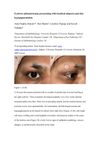
March 2024 in “Ophthalmic Plastic and Reconstructive Surgery” A pilomatrixoma in the eyebrow can cause hair loss and skin lightening.
November 2025 in “Journal of Investigative Dermatology” Tanning ability is linked to specific DNA changes in skin genes.
 103 citations
,
November 2014 in “Journal of Cell Biology”
103 citations
,
November 2014 in “Journal of Cell Biology” MicroRNA-214 is important for skin and hair growth because it affects the Wnt pathway.