 18 citations
,
August 2021 in “PLoS ONE”
18 citations
,
August 2021 in “PLoS ONE” Melanocyte progenitor cells are found in human fat tissue and can become mature melanocytes, which may help treat skin issues.
 401 citations
,
January 2013 in “Postepy Dermatologii I Alergologii”
401 citations
,
January 2013 in “Postepy Dermatologii I Alergologii” The paper concludes that understanding melanocyte development can help in insights into skin diseases and melanoma diversity.
 240 citations
,
April 2011 in “Pigment Cell & Melanoma Research”
240 citations
,
April 2011 in “Pigment Cell & Melanoma Research” Melanocyte stem cells in hair follicles are key for hair color and could help treat greying and pigment disorders.
 67 citations
,
November 2019 in “Nature Communications”
67 citations
,
November 2019 in “Nature Communications” Oncogenic melanocyte stem cells can develop into melanoma similar to human cases.
 66 citations
,
March 2019 in “Cellular and Molecular Life Sciences”
66 citations
,
March 2019 in “Cellular and Molecular Life Sciences” Melanocyte development from neural crest cells is complex and influenced by many factors, and better understanding could help treat skin disorders.
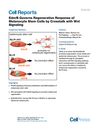 59 citations
,
April 2016 in “Cell Reports”
59 citations
,
April 2016 in “Cell Reports” EdnrB signaling helps melanocyte stem cells regenerate and could be targeted to treat pigmentation issues.
 45 citations
,
April 2016 in “Journal of Dermatological Science”
45 citations
,
April 2016 in “Journal of Dermatological Science” The Wnt/β-catenin pathway can activate melanocyte stem cells and may help regenerate hair follicles.
 7 citations
,
June 2021 in “Cell Proliferation”
7 citations
,
June 2021 in “Cell Proliferation” Low oxygen levels improve the function of hair and skin cells when they are in direct contact.
 3 citations
,
November 2023 in “Frontiers in cell and developmental biology”
3 citations
,
November 2023 in “Frontiers in cell and developmental biology” Melanocytes are important for skin and hair color and protect the skin from UV damage.
 1 citations
,
January 2014 in “Elsevier eBooks”
1 citations
,
January 2014 in “Elsevier eBooks” Melanocytes produce melanin; their defects cause vitiligo and hair graying, with treatments available for vitiligo.
 April 2026 in “npj Regenerative Medicine”
 Melanocyte stem cells in hair follicles are key to understanding and potentially preventing hair graying.
 December 2023 in “bioRxiv (Cold Spring Harbor Laboratory)”
 Different types of inactive melanocyte stem cells exist with unique characteristics and potential to develop into other cells.
 January 2006 in “Carl von Ossiezky University of Oldenburg”
 Unpigmented keratinocytes absorb substances faster, while melanocytes bind more strongly to melanin.
 January 2025 in “American Journal of Stem Cells”
 Melanocyte stem cells hold promise for skin regeneration and treating pigmentation issues.
 91 citations
,
March 2011 in “Stem Cell Reviews and Reports”
91 citations
,
March 2011 in “Stem Cell Reviews and Reports” Human epidermal neural crest stem cells can become bone and skin pigment cells, making them useful for therapies.
 85 citations
,
July 2002 in “Pigment Cell Research”
85 citations
,
July 2002 in “Pigment Cell Research” The article concludes that while we understand a lot about how melanocytes age and how this can prevent cancer, there are still unanswered questions about certain pathways and genes involved.
 14 citations
,
October 2020 in “Scientific reports”
14 citations
,
October 2020 in “Scientific reports” Hair greying is linked to reduced ATM protein in hair cells, which protects against stress and damage.
 5 citations
,
January 2012 in “Journal of Tissue Science & Engineering”
5 citations
,
January 2012 in “Journal of Tissue Science & Engineering” Collagen membranes improve melanocyte growth for treating skin depigmentation.
 April 2019 in “Journal of Investigative Dermatology”
 Testosterone affects androgen receptors and lipid storage in cells, while DHEA does not convert to testosterone or affect these receptors in the same way.
 27 citations
,
June 2023 in “Nature”
27 citations
,
June 2023 in “Nature” Senescent melanocytes can boost hair growth by activating hair stem cells.
 3 citations
,
August 2012 in “The American Journal of Dermatopathology”
3 citations
,
August 2012 in “The American Journal of Dermatopathology” A man with a birthmark on his scalp developed hair loss that improved with treatment, but the link between the birthmark and hair loss was unclear.
 305 citations
,
June 2012 in “Nature”
305 citations
,
June 2012 in “Nature” Hair regeneration needs dynamic cell behavior and mesenchyme presence for stem cell activation.
 2 citations
,
July 2013 in “Veterinary dermatology”
2 citations
,
July 2013 in “Veterinary dermatology” Dog skin with hair loss, when transplanted to mice, regrew hair, suggesting the hair loss cause is likely body-wide, not skin-specific.
 4 citations
,
July 2020 in “International Journal of Cosmetic Science”
4 citations
,
July 2020 in “International Journal of Cosmetic Science” All hair removal methods irritate underarm skin and cause dryness, with shaving being less irritating but more drying than plucking or waxing.
 19 citations
,
January 2012 in “Annals of Dermatology”
19 citations
,
January 2012 in “Annals of Dermatology” People need more information about hair dye ingredients and side effects.
5 citations
,
September 2018 in “Journal of Investigative Dermatology” Keratinocyte cytokines and genetic variations influence the development of moles and skin pigmentation.
 34 citations
,
August 2005 in “Dermatologic Clinics”
34 citations
,
August 2005 in “Dermatologic Clinics” Stress and emotional factors can worsen skin conditions by affecting the immune system.
 June 2020 in “Faculty Opinions – Post-Publication Peer Review of the Biomedical Literature”
 Stress causes hair graying by overactivating nerves that deplete color-giving stem cells.
 209 citations
,
September 2008 in “Dermatologic Therapy”
209 citations
,
September 2008 in “Dermatologic Therapy” Androgens can both increase and decrease hair growth in different parts of the body.
 82 citations
,
March 2016 in “Cell”
82 citations
,
March 2016 in “Cell” The conclusion is that tissue structure is key for stem cell communication and maintaining healthy tissues.