177 citations
,
November 2002 in “British journal of dermatology/British journal of dermatology, Supplement” Transplantation is effective for stable leucoderma but not for progressive, widespread vitiligo vulgaris.
 146 citations
,
May 2002 in “The American journal of pathology”
146 citations
,
May 2002 in “The American journal of pathology” Cathepsin L is essential for normal hair growth and development.
105 citations
,
April 2005 in “Cell” Hair graying happens because certain cells aren't maintained properly.
 93 citations
,
October 2006 in “The International Journal of Biochemistry & Cell Biology”
93 citations
,
October 2006 in “The International Journal of Biochemistry & Cell Biology” Melanocytes are crucial for skin pigmentation and can affect conditions like melanoma, vitiligo, and albinism, as well as hair color and hearing.
 91 citations
,
March 2011 in “Stem Cell Reviews and Reports”
91 citations
,
March 2011 in “Stem Cell Reviews and Reports” Human epidermal neural crest stem cells can become bone and skin pigment cells, making them useful for therapies.
86 citations
,
August 2000 in “Pigment cell research” Melanocyte activity in hair follicles is linked to the hair growth cycle, being active in growth phases and inactive in rest phases.
69 citations
,
January 1995 in “PubMed” Mouse melanocyte structure and function are influenced by genetics, hormones, and environmental factors.
 59 citations
,
April 2016 in “Cell Reports”
59 citations
,
April 2016 in “Cell Reports” EdnrB signaling helps melanocyte stem cells regenerate and could be targeted to treat pigmentation issues.
57 citations
,
April 2009 in “Differentiation” SDF-1/CXCL12 and its receptor CXCR4 are crucial for melanocyte movement in mouse hair follicles.
56 citations
,
November 1958 in “The Journal of Cell Biology” A unique skin cell similar to hair bulb melanocytes was identified, with better preservation using permanganate fixation.
 55 citations
,
December 2014 in “Dermatologica sinica/Zhōnghuá pífūkē yīxué zázhì”
55 citations
,
December 2014 in “Dermatologica sinica/Zhōnghuá pífūkē yīxué zázhì” Keratinocytes control how melanocytes work.
 46 citations
,
April 2014 in “PLOS ONE”
46 citations
,
April 2014 in “PLOS ONE” Gray hair may be caused by lower antioxidant activity in hair cells.
 45 citations
,
April 2016 in “Journal of Dermatological Science”
45 citations
,
April 2016 in “Journal of Dermatological Science” The Wnt/β-catenin pathway can activate melanocyte stem cells and may help regenerate hair follicles.
43 citations
,
October 2005 in “Molecular and cellular endocrinology” Hair melanocytes help the skin respond to stress and regulate hair pigmentation.
 41 citations
,
December 2018 in “Experimental Dermatology”
41 citations
,
December 2018 in “Experimental Dermatology” Understanding how melanocyte stem cells work could lead to new treatments for hair graying and skin pigmentation disorders.
40 citations
,
November 2005 in “The journal of investigative dermatology/Journal of investigative dermatology” Different melanocyte types in hair follicles either survive or die during the catagen phase.
39 citations
,
March 2017 in “Dermatologic clinics” UV light can help stimulate the growth of new pigment cells from hair follicles in people with vitiligo.
 30 citations
,
April 2013 in “Journal of Investigative Dermatology”
30 citations
,
April 2013 in “Journal of Investigative Dermatology” Radiation mainly affects keratinocyte stem cells, not melanocyte stem cells, causing hair to gray.
 30 citations
,
December 2001 in “Experimental dermatology”
30 citations
,
December 2001 in “Experimental dermatology” Gonadal hormones significantly affect the severity of alopecia areata in mice.
 29 citations
,
January 2013 in “International Journal of Medical Sciences”
29 citations
,
January 2013 in “International Journal of Medical Sciences” Wnt10b helps hair follicle cells mature and produce pigment.
27 citations
,
May 2024 in “Clinical and Translational Medicine” Melanocyte stem cells are vital for skin and hair color and have potential in treating skin disorders and cancer.
26 citations
,
February 2022 in “Journal of pineal research” Melatonin affects skin and hair color and protects skin cells, with potential benefits for hair growth and skin health.
24 citations
,
October 2022 in “Cell Regeneration” A new mouse model effectively mimics vitiligo for research and drug testing.
 24 citations
,
September 2008 in “Clinical and experimental dermatology”
24 citations
,
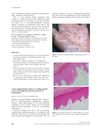
September 2008 in “Clinical and experimental dermatology” Repigmentation in vitiligo may come from melanocyte stem cells in the skin.
21 citations
,
February 2006 in “Clinical Cancer Research” Mitf plays a key role in melanoma progression and is linked to disease stage.
20 citations
,
December 2013 in “PubMed” Quercetin boosts melanin production in mouse hair follicles.
17 citations
,
September 2018 in “Matrix Biology” Laminin-511 is essential for proper melanocyte movement and development in mice.
17 citations
,
December 2013 in “Dermatologic Surgery” The treatment improved hair color in most vitiligo patients without major side effects.
16 citations
,
October 2004 in “Journal of Investigative Dermatology” Normal human melanocytes can avoid cell death through multiple pathways.
15 citations
,
June 2021 in “International Journal of Molecular Sciences” CMC2.24 and CMC2.23 reduce melanin safely and effectively.