August 2024 in “Animal Bioscience” Exosomal miR-222-3p reduces melanin production in rabbits by targeting the SOX10 gene.
 April 2024 in “Pigment cell & melanoma research”
 Different types of resting melanocyte stem cells have unique characteristics and vary in their potential to become other cells.
 9 citations
,
February 2022 in “BMC Genomics”
9 citations
,
February 2022 in “BMC Genomics” Melatonin affects gene expression in goat hair follicles, potentially increasing cashmere production.
 9 citations
,
July 2020 in “Journal of Animal Physiology and Animal Nutrition”
9 citations
,
July 2020 in “Journal of Animal Physiology and Animal Nutrition” Melatonin given to pregnant rabbits improved their babies' fur quality.
September 2025 in “Indian Dermatology Online Journal” Melatonin may help treat skin conditions and promote hair growth.
3D models from confocal microscopy improve melanoma detection on sun-damaged skin.

Melatonin helps grow cashmere goat hair by activating the Wnt10b gene.
 2 citations
,
October 1999 in “Annals of the New York Academy of Sciences”
2 citations
,
October 1999 in “Annals of the New York Academy of Sciences” Melatonin and cortisol affect mink winter hair growth, but β-endorphin levels do not.
 March 2026 in “International Journal of Science and Research (IJSR)”
 Melatonin protects skin and supports hair growth.
Melatonin shortens the hair growth cycle by increasing PDGFA gene expression.
 1 citations
,
March 2015 in “Journal of the European Academy of Dermatology and Venereology”
1 citations
,
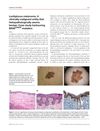
March 2015 in “Journal of the European Academy of Dermatology and Venereology” A clinically suspected melanoma appeared benign under the microscope but was confirmed by specific tests and a rare mutation.
March 2026 in “Pigment Cell & Melanoma Research” Clear documentation and shared best practices are essential for improving research consistency in pigment cells.
4 citations
,
December 2024 in “International Journal of Molecular Sciences” Hom Thong banana peels can help reduce skin pigmentation by inhibiting melanin production.
 April 2016 in “Journal of Investigative Dermatology”
 Tumor cell adhesion is linked to higher risk of SLN metastasis and melanoma recurrence, and a model including these factors predicts these outcomes better than one with just clinical data.
 23 citations
,
June 2015 in “Oncology Letters”
23 citations
,
June 2015 in “Oncology Letters” Adipose-derived stem cell-conditioned medium can reduce melanoma cell growth and spread.
 April 2023 in “Journal of Investigative Dermatology”
 Melatonin may help prevent hair loss caused by the chemotherapy drug paclitaxel.
 44 citations
,
October 2019 in “International Journal of Molecular Sciences”
44 citations
,
October 2019 in “International Journal of Molecular Sciences” Melatonin, usually known for sleep regulation, also has antioxidant properties that can protect skin, stimulate hair growth, and improve skin conditions, with topical application being more effective than oral use.
3 citations
,
July 2024 in “Biomolecules” Melatonin may help treat various diseases and is influenced by magnetic fields, but more research is needed.
 October 2021 in “Research Square (Research Square)”
 Melatonin affects certain genes and pathways involved in cashmere goat hair growth.
 3 citations
,
November 2022 in “Experimental dermatology”
3 citations
,
November 2022 in “Experimental dermatology” Melatonin may inhibit melanoma growth and has potential as a cancer therapy aid, but its effects on human skin pigmentation need more research.
38 citations
,
June 2005 in “Acta Biochimica Polonica” Splenic eumelanin in C57BL/6 mice is different from hair eumelanin.
 1 citations
,
November 2023 in “BMC chemistry”
1 citations
,
November 2023 in “BMC chemistry” Tadalafil and Finasteride may help treat aggressive melanoma.
 10 citations
,
July 2013 in “British Journal of Dermatology”
10 citations
,
July 2013 in “British Journal of Dermatology” High MUC-18/MCAM levels in blood indicate a worse outlook for melanoma patients.
July 2026 in “Clinics in Dermatology” Topical melatonin may help protect and rejuvenate skin.
January 1972 in “NBER Chapters” Melatonin may protect skin from radiation, but its effects on aging and hair growth are unclear.
14 citations
,
October 2017 in “Gene Expression Patterns” A new mouse model helps study melanocyte cells using GFP expression.
January 2018 in “Figshare” Melatonin helps Cashmere goat hair follicles grow by affecting genes and cell signals important for their development and environment.
 June 2023 in “NILES Journal forGeriatric and Gerontology/NILES Journal for Geriatric and Gerontology”
 Oral tranexamic acid is a safe and effective treatment for melasma.
 November 2022 in “Journal of Investigative Dermatology”
 Dynlt3 is important for melanosome transport and skin coloration.