 8 citations
,
February 2003 in “Annals of Neurology”
8 citations
,
February 2003 in “Annals of Neurology” Progesterone treatment improved seizures in a woman with menstrual cycle-related epilepsy, but a wrong medication worsened her condition.
 18 citations
,
April 2016 in “Endocrinology and Metabolism Clinics of North America”
18 citations
,
April 2016 in “Endocrinology and Metabolism Clinics of North America” The document concludes that diagnosing PCOS in teenagers is difficult and should focus on specific hormone levels and menstrual irregularities, while also considering treatment for symptoms and related health issues.
 2 citations
,
February 2003 in “Annals of Neurology”
2 citations
,
February 2003 in “Annals of Neurology” Neuroimaging suggests that treatments targeting brain steroids could help control epilepsy, especially types linked to the menstrual cycle.
 14 citations
,
March 2017 in “Brain research”
14 citations
,
March 2017 in “Brain research” Progesterone and its byproducts control a specific receptor in the brain independently of progesterone receptors, affecting conditions related to the menstrual cycle.
1 citations
,
April 2011 in “The FASEB Journal” Progesterone-derived neurosteroids affect GABA-A receptor expression, influencing epilepsy during menstrual cycles.
 18 citations
,
July 2019 in “Clinical Endocrinology”
18 citations
,
July 2019 in “Clinical Endocrinology” Women with PCOS in Sicily show different levels of metabolic problems depending on their PCOS type, with obesity and abnormal lipid profiles being common.
 7 citations
,
October 2020 in “INTERNATIONAL JOURNAL OF SCIENTIFIC RESEARCH”
7 citations
,
October 2020 in “INTERNATIONAL JOURNAL OF SCIENTIFIC RESEARCH” Stress worsens symptoms and body changes in women with PCOS, especially during COVID-19.
 5 citations
,
June 2024 in “Cureus”
5 citations
,
June 2024 in “Cureus” PCOS is linked to changes in vaginal bacteria, with fewer good bacteria and more harmful ones.
 June 2022 in “International Journal of Health Sciences (IJHS)”
 Understanding proteins linked to PCOS symptoms can improve diagnosis and treatment.
 January 1999 in “Current Problems in Pediatrics”
 Swimming in Lake Malawi can lead to schistosomiasis, hepatitis B vaccine might cause temporary hair loss, and certain drinks affect kidney stone risk.
 284 citations
,
February 2008 in “Pediatrics”
284 citations
,
February 2008 in “Pediatrics” Chemicals and body size might change when puberty starts and progresses, but more research is needed to confirm this.
 180 citations
,
January 2003 in “American Journal of Clinical Dermatology”
180 citations
,
January 2003 in “American Journal of Clinical Dermatology” Menopause can lead to skin and hair problems due to hormonal changes, but hormone replacement therapy might help slow these effects.
 131 citations
,
August 2004 in “Best Practice & Research in Clinical Obstetrics & Gynaecology”
131 citations
,
August 2004 in “Best Practice & Research in Clinical Obstetrics & Gynaecology” The conclusion is that PCOS is caused by ovarian sensitivity to hormones and disrupted hormone control, possibly due to ovarian factors, and more research is needed.
 52 citations
,
June 2013 in “The Journal of Clinical Endocrinology and Metabolism”
52 citations
,
June 2013 in “The Journal of Clinical Endocrinology and Metabolism” The research found that anovulatory young women have higher androgen and hormone levels than those who ovulate, suggesting immature hormonal regulation rather than a specific condition.
 48 citations
,
May 2012 in “Journal of Midwifery & Women's Health”
48 citations
,
May 2012 in “Journal of Midwifery & Women's Health” Polycystic Ovary Syndrome is common but often undiagnosed, and early treatment is important to prevent health problems.
 48 citations
,
January 2011 in “Hormone Research in Paediatrics”
48 citations
,
January 2011 in “Hormone Research in Paediatrics” The conclusion is that genetic changes in the glucocorticoid receptor can lead to conditions affecting stress response, immunity, and metabolism, requiring personalized treatment.
 30 citations
,
January 2016 in “Journal of Pharmaceutical and Biomedical Analysis”
30 citations
,
January 2016 in “Journal of Pharmaceutical and Biomedical Analysis” The research found different metabolism changes in PCOS patients and suggested new potential markers for diagnosing PCOS with or without insulin resistance.
 17 citations
,
November 2000 in “Journal of the American Pharmaceutical Association”
17 citations
,
November 2000 in “Journal of the American Pharmaceutical Association” The document concludes that low-dose oral contraceptives and hormonal therapies can manage perimenopause symptoms and reduce some health risks, but lifestyle changes and disease screening are also important.
 16 citations
,
January 2023 in “Cureus”
16 citations
,
January 2023 in “Cureus” PCOS in teens causes hormonal imbalances, irregular periods, and can lead to infertility and other health issues.
 3 citations
,
January 2007 in “Elsevier eBooks”
3 citations
,
January 2007 in “Elsevier eBooks” The document concludes that individualized treatment and lifestyle changes are important for managing menopause symptoms and health risks.
 2 citations
,
October 2008 in “The Journal for Nurse Practitioners”
2 citations
,
October 2008 in “The Journal for Nurse Practitioners” The document concludes that managing PCOS requires a comprehensive approach, including lifestyle changes and medication, to improve symptoms and reduce health risks.
 1 citations
,
October 2024 in “Pharmacy & Pharmacology International Journal”
1 citations
,
October 2024 in “Pharmacy & Pharmacology International Journal” PCOS is managed with medication, lifestyle changes, and a healthy diet.
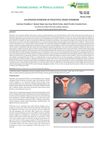 1 citations
,
June 2019 in “Innovare journal of medical sciences”
1 citations
,
June 2019 in “Innovare journal of medical sciences” Polycystic Ovary Syndrome (PCOS) is a hormonal disorder in women that can cause infertility and other health issues, and it may be improved by treatments that increase insulin sensitivity.
 January 2026 in “International Journal of Unani and Integrative Medicine”
 Combining modern and Unani medicine may better manage PCOS symptoms.
 October 2025 in “Progress In Microbes & Molecular Biology”
 PCOS is linked to gut bacteria changes, suggesting gut-focused treatments might help.
Individualized treatment improves symptoms and quality of life for women with PCOS.
 December 2024 in “Research Journal for Social Affairs”
 PCOS causes hormonal issues and infertility, with treatment options including medication and lifestyle changes.
PCOS requires personalized treatment to improve life quality and reduce health risks.
 January 2022 in “Journal of current research in food science”
 Eating healthy and exercising can help manage Polycystic Ovarian Syndrome and its related health problems.
 249 citations
,
November 2003 in “Clinical endocrinology”
249 citations
,
November 2003 in “Clinical endocrinology” Insulin resistance is a key factor in polycystic ovary syndrome, but genetics may also contribute.