 October 2016 in “Journal of the Dermatology Nurses’ Association”
 Polycystic Ovary Syndrome (PCOS) affects 6%-15% of women of reproductive age, causing symptoms like acne and hair loss, and increasing the risk of type 2 diabetes and heart disease; it's managed through diet, exercise, and medications like Metformin and hormonal contraceptives.
 59 citations
,
August 2021 in “Frontiers in Endocrinology”
59 citations
,
August 2021 in “Frontiers in Endocrinology” GLP-1 receptor agonists, like Dulaglutide, Liraglutide, and Semaglutide, have potential benefits beyond the pancreas, including neuroprotection, pain suppression, cardiovascular protection, obesity management, and cancer treatment, but there are concerns about pancreatitis and pancreatic cancer risks.
29 citations
,
January 2020 in “Frontiers in endocrinology” Fibrodysplasia ossificans progressiva is a rare genetic disorder that causes extra bone growth and symptoms of premature aging.
26 citations
,
January 2025 in “iScience” PRP helps tissue repair but lacks standard preparation methods.
19 citations
,
July 2024 in “Journal of Cellular and Molecular Medicine” Astaxanthin may reduce inflammation in women with PCOS, but doesn't significantly improve symptoms.
 6 citations
,
August 2023 in “Fertility and Sterility”
6 citations
,
August 2023 in “Fertility and Sterility” The 2023 guideline for PCOS suggests using updated diagnostic criteria, assessing related health risks, and recommends lifestyle changes and specific treatments for symptoms and fertility issues.
5 citations
,
January 2024 in “Advances in Pharmacological and Pharmaceutical Sciences” Pomegranate shows promise for treating various health issues, but more research is needed.
2 citations
,
August 2021 in “Experimental and Therapeutic Medicine” Moxibustion may help improve ovarian function by changing androgen levels.
1 citations
,
August 2025 in “The Egyptian Journal of Internal Medicine” BMI is a simple, cost-effective tool for screening obesity and related diseases.
November 2025 in “Clinical Endocrinology” Spironolactone and metformin work similarly for PCOS symptoms, but more research is needed.
November 2025 in “Journal of Clinical Medicine” Baricitinib significantly improved hair regrowth and quality of life in severe alopecia areata patients.
 July 2025 in “Journal of Clinical Research and Reports”
 Women with PCOS have a higher risk of heart disease.
 February 2025 in “Journal of Cosmetic Dermatology”
 Ferritin and vitamin B12 deficiencies are common causes of hair loss in women aged 18-45.
 November 2024 in “Frontiers in Medicine”
 Cirrhosis affects quality of life with various symptoms, requiring a holistic, multidisciplinary approach for management.
 September 2024 in “Journal of Cutaneous and Aesthetic Surgery”
 Bicalutamide may help treat female pattern hair loss.
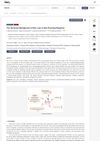 February 2024 in “Biomedicines”
 Hormones like androgens, estrogen, thyroid hormones, and stress hormones can contribute to hair loss, and treatments target these hormonal imbalances.
January 2008 in “Humana Press eBooks” Women with PCOS have higher risks of heart disease, type 2 diabetes, and endometrial cancer.
 56 citations
,
August 1981 in “Journal of The American Academy of Dermatology”
56 citations
,
August 1981 in “Journal of The American Academy of Dermatology” Minoxidil helps hair regrowth in alopecia areata safely.
 17 citations
,
May 2019 in “Diabetes and Metabolic Syndrome: Clinical Research and Reviews”
17 citations
,
May 2019 in “Diabetes and Metabolic Syndrome: Clinical Research and Reviews” High fasting insulin levels in women with PCOS are linked to a higher risk of heart and metabolic problems.
 10 citations
,
June 2010 in “Fertility and Sterility”
10 citations
,
June 2010 in “Fertility and Sterility” Patients with PCOS tend to score their hirsutism higher than clinicians, making self-scoring less useful for diagnosis.
 3 citations
,
February 2018 in “InTech eBooks”
3 citations
,
February 2018 in “InTech eBooks” Traditional Chinese Medicine and acupuncture may improve Polycystic Ovarian Syndrome symptoms and reduce costs, but more research is needed.
 124 citations
,
June 2002 in “Best Practice & Research Clinical Endocrinology & Metabolism”
124 citations
,
June 2002 in “Best Practice & Research Clinical Endocrinology & Metabolism” Polycystic Ovary Syndrome likely starts in childhood and may be genetic and influenced by early hormone exposure.
 991 citations
,
January 2011 in “Nature Reviews Endocrinology”
991 citations
,
January 2011 in “Nature Reviews Endocrinology” The document concludes that PCOS is a complex disorder caused by both genetic and environmental factors, affecting women's health in various ways, and requires personalized treatment.
 19 citations
,
November 2012 in “Journal of Dermatological Treatment”
19 citations
,
November 2012 in “Journal of Dermatological Treatment” Isotretinoin improves severe acne without changing androgen or insulin levels but may increase body weight and triglycerides.
 7 citations
,
January 2017 in “Journal of South Asian Federation of Obstetrics and Gynaecology”
7 citations
,
January 2017 in “Journal of South Asian Federation of Obstetrics and Gynaecology” Nearly half of women with PCOS have metabolic syndrome, and lifestyle changes are crucial to prevent complications.
 4 citations
,
January 2019 in “Therapeutic Advances in Endocrinology and Metabolism”
4 citations
,
January 2019 in “Therapeutic Advances in Endocrinology and Metabolism” Medications for PCOS don't seem to raise heart disease risk.
PCOS management involves medication, lifestyle changes, and personalized treatment to address symptoms and improve health.
 August 2025 in “International Journal For Multidisciplinary Research”
 Adaptive coping reduces PCOS symptoms, while maladaptive coping worsens them.
 November 2020 in “Elsevier eBooks”
 Antiandrogens and androgen inhibitors like spironolactone, finasteride, and dutasteride can treat hair loss and skin conditions, but they have risks and side effects, including potential harm to pregnant women and risks of cancer and heart issues. Herbal remedies also have antiandrogenic effects but lack safety validation.
 89 citations
,
November 2014 in “Medical Clinics of North America”
89 citations
,
November 2014 in “Medical Clinics of North America” Eating 500 fewer calories a day and making lifestyle changes can improve PCOS symptoms and reduce diabetes risk; more research is needed on its causes and treatments.