April 2026 in “Future Medicinal Chemistry” PROTACs have become a breakthrough in medicine by effectively targeting and degrading specific proteins to treat diseases.
207 citations
,
July 2006 in “Development” MTS24 marks a new type of skin cell that helps hair growth and repair.
November 2025 in “Journal of Investigative Dermatology” Alpha-MSH affects mitochondrial function, and MC1R mutations may increase skin aging.
2 citations
,
May 2023 in “International Journal of Molecular Sciences” Gene expression in hair follicles can help diagnose methamphetamine use disorder.
 September 2024 in “Journal of the American Academy of Dermatology”
 Oxytocin receptors are found in skin cells near touch and pain neurons.
 January 2023 in “Al-Azhar International Medical Journal /Al-Azhar International Medical Journal”
 Acne patients have higher mTOR gene expression.
13 citations
,
November 1995 in “European Archives of Oto-Rhino-Laryngology” May 2020 in “Authorea (Authorea)” Olfactory receptors found outside the nose may offer new treatments for diseases like cancer and help in wound healing and hair growth.
 1308 citations
,
March 1998 in “Journal of bone and mineral research”
1308 citations
,
March 1998 in “Journal of bone and mineral research” The vitamin D receptor is crucial for bone health and affects various body systems, with mutations potentially leading to disease.
January 1992 in “Biology of the Cell” Retinoic acid receptors are important for hair follicle development.
 8 citations
,
November 1990 in “Archives of Dermatology”
8 citations
,
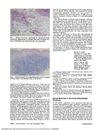
November 1990 in “Archives of Dermatology” A woman with EMS showed unusual skin mucinosis without the typical hard skin syndrome, suggesting EMS can cause skin mucinosis.

A new imaging method helps see and study touch nerve endings in mouse skin.
 59 citations
,
April 2016 in “Cell Reports”
59 citations
,
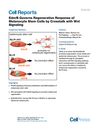
April 2016 in “Cell Reports” EdnrB signaling helps melanocyte stem cells regenerate and could be targeted to treat pigmentation issues.
 June 2023 in “Journal of biological chemistry/The Journal of biological chemistry”
 Sdr16c5 and Sdr16c6 genes regulate a key point in lipid production that affects eye and skin gland function.
 22 citations
,
September 2014 in “Hormones”
22 citations
,
September 2014 in “Hormones” Metformin may help treat neuroendocrine tumors.
35 citations
,
April 1998 in “PubMed” Activated erbB-2 in mice skin causes severe skin and hair abnormalities.
18 citations
,
April 2016 in “The journal of immunology/The Journal of immunology” Thymic mesenchymal cells have unique gene expression that supports their specific functions in the thymus.
January 2024 in “International journal of molecular sciences” A brain-made hormone can protect against memory-related brain damage caused by harmful proteins.
2 citations
,
August 2004 Early diagnosis and proper treatment improve outcomes for methylmalonic acidemia.
1 citations
,
January 1981 in “Elsevier eBooks” Melatonin stops melanin production after tyrosinase action, with cyclic GMP mimicking this effect.
January 2026 in “Biochemical Pharmacology” MitoQ helps protect hair cells from damage in hair loss by boosting a protective enzyme.
Sox13 is a marker for early hair follicle development but not essential for skin and hair growth.
 1 citations
,
May 2023 in “PubMed”
1 citations
,
May 2023 in “PubMed” A certain type of skin cell, marked by EGFR, produces a lot of IGF1 and helps hair follicles grow back faster.
12 citations
,
March 2021 in “Journal of Investigative Dermatology” TRPM5 is crucial for maintaining hair growth.
16 citations
,
December 2021 in “Journal of Integrative Neuroscience” miR-325-3p can slow down brain tumor growth by targeting FOXM1.
27 citations
,
February 2003 in “Cell and Tissue Research” FM dyes effectively stain Merkel cells for long-term observation.
 July 2025 in “The Egyptian Journal of Hospital Medicine”
 Estrogen affects hair growth, and GPER-1 levels might help identify hair loss types.
 January 2016 in “Korean Journal of Pharmacognosy”
 Grateloupia elliptica, a type of marine algae, may promote hair growth by activating a specific cell growth pathway.
258 citations
,
July 2005 in “Journal of lipid research” DGAT1 enzyme helps make diacylglycerols, waxes, and retinyl esters.
November 2012 in “Experimental and Clinical Endocrinology & Diabetes” A new genetic mutation causes severe Leydig cell hypoplasia, affecting sexual development.