 18 citations
,
March 2014 in “Drug Development and Industrial Pharmacy”
18 citations
,
March 2014 in “Drug Development and Industrial Pharmacy” New gel formulas without ethanol and propylene glycol, containing a minoxidil-methyl-β-cyclodextrin complex, have been created for treating hair loss.
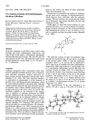 December 1998 in “Acta Crystallographica Section C-crystal Structure Communications”
 A new compound with strong antiandrogenic effects was found, potentially useful for treating conditions like acne and prostate cancer.
 2 citations
,
September 1980 in “Experientia”
2 citations
,
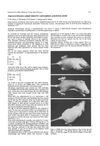
September 1980 in “Experientia” Polyethylene alanine caused hair loss in young lab animals but not in adults, with hair regrowth occurring within 20 days.
 3 citations
,
November 2017 in “International Journal of Pharmacy and Pharmaceutical Sciences” January 2013 in “Zhongguo yaofang”
3 citations
,
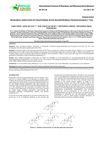
November 2017 in “International Journal of Pharmacy and Pharmaceutical Sciences” January 2013 in “Zhongguo yaofang” The method effectively detects residual solvents in finasteride raw materials.
 2 citations
,
July 1982 in “British Journal of Dermatology”
2 citations
,
July 1982 in “British Journal of Dermatology” Retinol acetate can reduce the harmful effects of the drug benoxaprofen on white blood cells.
January 2026 in “ChemistrySelect” The bio-based hair serum is a sustainable and effective alternative to silicone serums, offering better hair protection and eco-friendly benefits.
 11 citations
,
August 2007 in “Bioorganic & Medicinal Chemistry Letters”
11 citations
,
August 2007 in “Bioorganic & Medicinal Chemistry Letters” Scientists made a chemical (compound 4e) that can be applied on skin to reduce oil production, which can help with acne, but it might cause skin sensitivity to light.
1 citations
,
July 2024 in “International Journal of Cosmetic Science” Para rubber seed oil helps protect skin from aging caused by sunlight.
1 citations
,
December 2021 in “Jurnal Insan Farmasi Indonesia” Pomade with 12% ethanol extract of Momordica charantia L. leaves promotes the most hair growth.
 January 2011 in “Journal of Society of Cosmetic Chemists of Japan”
 18-MEA and SPDA can restore damaged hair's smoothness and reduce frizz.
3 citations
,
July 2023 in “Cells” MG53 helps reduce skin damage caused by nitrogen mustard.
16 citations
,
March 1986 in “Biochemical Pharmacology”  June 2019 in “Reactions Weekly”
  37 citations
,
May 2007 in “International Journal of Pharmaceutics”
37 citations
,
May 2007 in “International Journal of Pharmaceutics” PPCM microspheres allow controlled finasteride release over 24 hours.
 17 citations
,
August 2007 in “Bioorganic & Medicinal Chemistry Letters”
17 citations
,
August 2007 in “Bioorganic & Medicinal Chemistry Letters” A compound made by Pfizer can potentially stimulate hair growth and reduce oil production, making it a good candidate for topical use.
 January 2026 in “Frontiers in Reproductive Health”
 Educational efforts can reduce harmful chemical exposure from hair products in pregnant Women of Color.
February 2026 in “Toxicology Letters” MK-0773 is a moderate inhibitor of the SRD5A2 enzyme.
 13 citations
,
January 2005 in “Chemical and Pharmaceutical Bulletin”
13 citations
,
January 2005 in “Chemical and Pharmaceutical Bulletin” Smaller substituents at C-17 enhance the inhibitory activity of progesterone derivatives on 5alpha-reductase.
9 citations
,
July 2022 in “Journal of Cosmetic Dermatology” The ammonia-free hair dye is safe and improves hair shine, color, moisture, porosity, and combability.
25 citations
,
May 2019 in “Cosmetics” 18-MEA and cationic surfactants can restore and maintain hair's hydrophobic nature, improving its beauty and feel.
4 citations
,
November 2024 in “Scientific Reports” 16-MHA can restore damaged hair's protective barrier and moisture balance.
18 citations
,
December 2005 in “Journal of Medicinal Chemistry” A brominated phenoxy compound effectively inhibits a human enzyme and shows potential for clinical use.
 14 citations
,
August 2007 in “Bioorganic & Medicinal Chemistry Letters”
14 citations
,
August 2007 in “Bioorganic & Medicinal Chemistry Letters” The compound (1R,2S)-4-(2-Cyano-cyclohexyl-oxy)-2-trifluoromethyl-benzonitrile can stimulate hair growth and reduce oil production when applied topically.
January 2026 in “International Journal of Biological Macromolecules”  April 2024 in “Research Square (Research Square)”
 16-MHA can restore the barrier and moisture of damaged hair, making it similar to undamaged hair.
 December 2022 in “theses.fr (ABES)”
 Microplastics in the Lebanese Mediterranean carry harmful pollutants, posing environmental and health risks.
6 citations
,
August 2016 in “Journal of microencapsulation” The hair lotion with methyl myristate in niosomes treats grey hair faster and better than the free form.
 3 citations
,
June 2017 in “Environmental health perspectives”
3 citations
,
June 2017 in “Environmental health perspectives” Exposure to certain glycol ethers during pregnancy may be linked to lower verbal comprehension in children.
1 citations
,
January 2005 in “Research Portal (King's College London)” Finasteride and DEHP exposure during development can change reproductive markers in rats.