May 2025 in “BMC Genomics” Circ 0020938 slows down hair growth in cashmere goats.
October 2020 in “Stem cells” The document concludes that DNA methylation and the mTOR pathway are important for stem cell function and could impact disease treatment.
 April 2018 in “The journal of investigative dermatology/Journal of investigative dermatology”
 miR-486 may help prevent hair loss in alopecia areata.
July 2025 in “Genome biology” HT-scCAT-seq helps understand gene regulation in embryonic skin development.
March 2025 in “Medical Science Journal for Advance Research” miR-155 levels in blood could help identify alopecia areata.
miR-214-3p helps nerve repair and recovery.
 2 citations
,
April 2020 in “bioRxiv (Cold Spring Harbor Laboratory)”
2 citations
,
April 2020 in “bioRxiv (Cold Spring Harbor Laboratory)” MendelVar is a tool that helps identify important genes by combining GWAS data with Mendelian disease information.
2 citations
,
October 2024 in “Phenomics”  14 citations
,
January 2014 in “Cells Tissues Organs”
14 citations
,
January 2014 in “Cells Tissues Organs” Ionizing radiation causes irreversible skin damage, with single doses leading to acute injury and hair graying, and fractional doses causing more severe long-term tissue damage.
 8 citations
,
December 2008 in “Clinical and Experimental Dermatology”
8 citations
,
December 2008 in “Clinical and Experimental Dermatology” Radiotherapy was effective for treating a large scalp plaque of Bowen's disease when other treatments failed.
 January 2026 in “Journal of Emerging Technologies and Innovative Research”
 Zinc oxide nanoparticles made from Tridax procumbens leaves show strong antibacterial and anticancer effects.
 February 2024 in “Digital Library of Theses and Dissertations (Universidade de São Paulo)”
 Argan, avocado, and coconut oils are absorbed into hair, improving hydration and protection.
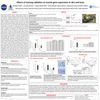 January 2017 in “NASA Technical Reports Server (NASA)”
 Early changes in skin gene expression can predict later bone mass loss after radiation exposure.
![2-Deoxy-2-[18F]Fluoro-D-Glucose Positron Emission Tomography/Computed Tomography](/images/assets/35fab163-57b7-4db8-b1e0-2929b51b2144/small/60162.jpg) January 2016 in “Electronic Theses of LMU Munich (Ludwig-Maximilians-Universität München)”
January 2016 in “Electronic Theses of LMU Munich (Ludwig-Maximilians-Universität München)” FDG PET/CT can improve cancer treatment plans in dogs.
 October 2004 in “Radiotherapy and oncology”
 Active vitamin D3 might protect hair follicles from radiation damage.
January 2014 in “www.virtualization.info” MED1 affects skin wound healing differently with age, speeding it up in young mice but slowing it in older mice.
 7 citations
,
December 2014 in “Journal of dermatology”
7 citations
,
December 2014 in “Journal of dermatology” Hair shaft miR-221 levels can help detect malignant melanoma.
ocu-miR-205 affects hair density in Rex rabbits by promoting cell changes that lead to more hair follicles entering resting phases.
 November 2024 in “Communities in ADDI (University of the Basque Country)”
 Antisense oligonucleotides show promise for treating Myotonic Dystrophy type I.
lncRNA MRPS28 regulates hair follicle development in cashmere goats, affecting cashmere quality.
 15 citations
,
December 2014 in “PLoS ONE”
15 citations
,
December 2014 in “PLoS ONE” A mutation in the iRhom2 gene causes hairless mice due to abnormal hair follicle development.
 7 citations
,
August 2020 in “Animal biotechnology”
7 citations
,
August 2020 in “Animal biotechnology” A specific RNA in cashmere goats helps improve hair growth by interacting with certain molecules.
September 2025 in “Animals” Key circRNAs play a role in wool follicle development, aiding in breeding better quality wool sheep.
14 citations
,
March 2017 in “Genes and immunity” Certain microRNAs may help treat alopecia areata by targeting immune pathways.
3 citations
,
October 2019 in “EMBO molecular medicine” Targeting NCoR1 can help treat heart enlargement and dysfunction.
16 citations
,
September 2006 in “The Journal of Immunology” MILL molecules are unique immune proteins in mice that don't need TAP to appear on cell surfaces.
25 citations
,
March 2022 in “International journal of biological macromolecules” miR-181a-5p helps hair growth by activating a specific signaling pathway.
19 citations
,
October 2022 in “The Ocular Surface” March 2026 in “Journal of Investigative Dermatology”  January 2024 in “Wiadomości Lekarskie”
 Multiomics is revolutionizing biology by enabling breakthroughs in research and disease diagnosis.