
Higher sulfotransferase enzyme levels predict better response to minoxidil for hair growth.
 1 citations
,
April 2017 in “Journal of Investigative Dermatology”
1 citations
,
April 2017 in “Journal of Investigative Dermatology” D-OCT shows increased blood vessel growth in response to tissue damage in Frontal Fibrosing Alopecia and is useful for diagnosis and monitoring.
1 citations
,
January 2026 in “International Journal of Dermatology” 4 citations
,
February 2023 in “International Journal of Stem Cells” The FTO gene hinders stem cells in hair follicles from becoming pigment cells.
 December 2024 in “http://isrctn.com/”
 MpowerTM may improve hair growth and satisfaction more than plain minoxidil, with mild side effects.
 April 2023 in “Journal of Investigative Dermatology”
 ENERGI-F701 solution was found to be more effective and safer than Regaine® 2% minoxidil solution in treating female pattern hair loss, with increased hair density and less side effects.
 September 2023 in “International journal of Unani and integrative medicine”
 Hair loss patterns are linked to temperament and can help diagnose it.
January 2020 in “Global dermatology” The growth factor cocktail significantly increased hair growth in patients with androgenetic alopecia.
April 2023 in “Asian Medical Journal and Alternative Medicine” 2% minoxidil speeds up nail growth more than 5% minoxidil and is safe.
36 citations
,
June 1988 in “Australian Journal of Biological Sciences” Mouse epidermal growth factor injections in sheep affected wool growth and skin, but saline did not.
 March 2024 in “Research Square (Research Square)”
 Sex steroids affect the MafB gene differently in male and female hamsters.
June 2025 in “British Journal of Dermatology” ALUDWIG can help standardize female hair loss assessment from a single image.
3 citations
,
December 2024 in “Stem Cell Reports” Low fucosylation boosts stem cell growth in the eye.
 142 citations
,
August 2007 in “Journal of The American Academy of Dermatology”
142 citations
,
August 2007 in “Journal of The American Academy of Dermatology” New 5% minoxidil foam effectively promotes hair growth and is safe for use.
 June 2025 in “Dermatologic Surgery”
 GFC improves hair quickly, while PRP offers longer-lasting benefits; using both sequentially is recommended.
 5 citations
,
April 2019 in “Phytochemical Analysis”
5 citations
,
April 2019 in “Phytochemical Analysis” The new ELISA method is reliable and eco-friendly for checking the quality of Pueraria candollei.
 6 citations
,
October 2012 in “PubMed”
6 citations
,
October 2012 in “PubMed” The combined treatment of 3% minoxidil and 0.1% finasteride is more effective in improving hair loss than 3% minoxidil alone, with similar side effects.
10 citations
,
November 2009 in “Pigment cell & melanoma research” The document concludes that MGRN1 affects mouse fur color by interfering with a receptor's signaling, but its full role in the body is still unknown.
 October 2025 in “Frontiers in Medicine”
 The minoxidil-finasteride combination is more effective for hair growth than minoxidil alone.
Knocking out the FGF5 gene in sheep increased wool production and hair-follicle density.
Compound 6 is a promising candidate for better wound healing.
7 citations
,
February 2023 in “Journal of Dermatological Treatment” The Scalp Photographic Index (SPI) is a reliable tool for assessing scalp conditions.
252 citations
,
March 1998 in “Developmental dynamics” FGFs-4, -8, and -9 have overlapping roles and are repeatedly used in tooth development.
 May 2025 in “Journal of Investigative Medicine”
 FAI is a better marker for predicting female hair loss than testosterone or SHBG alone.
55 citations
,
October 2008 in “American Journal Of Pathology” mIGF-1 in skin cells speeds up wound healing and hair growth in mice without harmful effects.
 June 2022 in “bioRxiv (Cold Spring Harbor Laboratory)”
 A specific molecular switch, driven by MAPK/ERK signaling, helps spiny mice heal wounds by regenerating skin instead of forming scars.
 November 2025 in “PARIPEX-INDIAN JOURNAL OF RESEARCH”
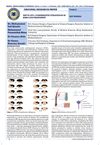
 GFC is more effective than PRP for treating hair loss.
 July 2022 in “Journal of Investigative Dermatology”
 The conclusion suggests that a new system for measuring hair loss could be created using automated analysis of photographs.
 June 2020 in “Annals of the Rheumatic Diseases”
 Patients with Systemic Sclerosis have much higher levels of GDF-15, which could help predict organ involvement and guide treatment.
The modified Sinclair scale effectively measures hair loss severity in men.